 Projet clôturé
UpScale
Cambodia
The Niokolo-Koba National Park (PNNK) protects 900,000 hectares of savannahs and gallery forests in south-eastern Senegal. For decades, research into its flora and fauna has been carried out there, but it has never been centralised. Some of this work has therefore been scattered across various locations, or even lost. To preserve this valuable knowledge, Ucoopia has been supporting, since 2023, the creation of a digital library designed to bring together all the research on the park: the Niokolo-base. It will soon be online!
The Niokolo-Koba has been a UNESCO World Heritage Site since 1981. Since its creation, the park has been home to numerous medium- and large-sized animal species, such as the West African chimpanzee, the African wild dog and the hippopotamus. Its documentary heritage, however, has not been so fortunate. Mission reports, theses, management plans, impact assessments and agreements: these documents were scattered across several offices and institutions. When staff changed or projects came to an end, many of them simply disappeared. For newly recruited staff, the lack or absence of information was a real obstacle to carrying out their work to a high standard.
The story began during a training session for park rangers on the IMEET tool, a self-assessment method for protected area management developed by the IUCN. One exercise involved documenting past actions: trail rehabilitation, wildlife surveys and awareness-raising activities. The supporting documents were nowhere to be found – neither in the offices nor on the computers. This realisation immediately alarmed the team: how can we improve management if we keep no record of it? The park warden then submitted a request for support to Ucoopia, through its Sustainable Food Systems and Natural Resource Management (SAD-GRN) programme, funded by Belgian Development Cooperation (DGD). The aim was simple: to develop a sustainable solution for organising, preserving and making the park’s documentation accessible.
To achieve this, Ucoopia worked with the School of Librarians, Archivists and Information Specialists (EBAD) at Cheikh Anta Diop University in Dakar. The EBAD provided what was missing: expertise in information management. A technical committee was set up comprising the National Parks Directorate (DPN), UCAD/EBAD and Ucoopia. A PhD student in information science was tasked with designing the tool, supervised by the school and supported by park staff. The collection work was extensive. Twelve national and regional institutions were visited and their catalogues consulted. Online platforms were explored. In total, 339 references were identified, described and indexed, 159 of which included an associated digital file:
The first version of the database was developed using Microsoft Access. The tool needed to work offline, on the hardware available at the park, and remain easy to use. The database was structured around nine tables, each containing detailed metadata for every document: title, author, year, type, subject, source and a link to the file. Three staff members from the park and the National Parks Directorate (DPN) underwent two days’ training, comprising practical exercises and an illustrated guide. They became the custodians of the tool. “Before, it was very difficult to find a report, a study or even a simple technical note. Now, with just a few clicks, I have access to everything I need,” says Bineta Diongue, second lieutenant in charge of the PNNK’s Information, Communication and Tourism Promotion Office.
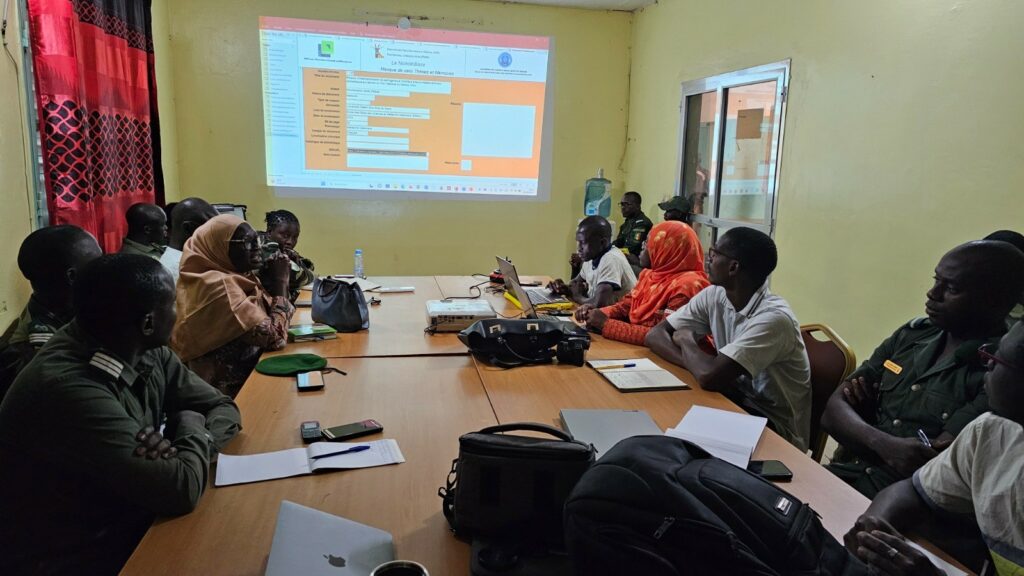
One problem remained unresolved. The database was installed locally, on a single machine – that of the administrator. The organisation was excellent, but access was very limited. A colleague in Dakar, a researcher or a partner could not consult it. And a hardware failure would have put all the work at risk. The recommendation made at the end of this first phase was clear: move online.
Ucoopia is currently working on launching the digital library online, with support from the Belgian Development Cooperation’s Digital for Development (D4D) programme and funding from the Périer d’Ieteren Foundation.
Four projects are currently underway:
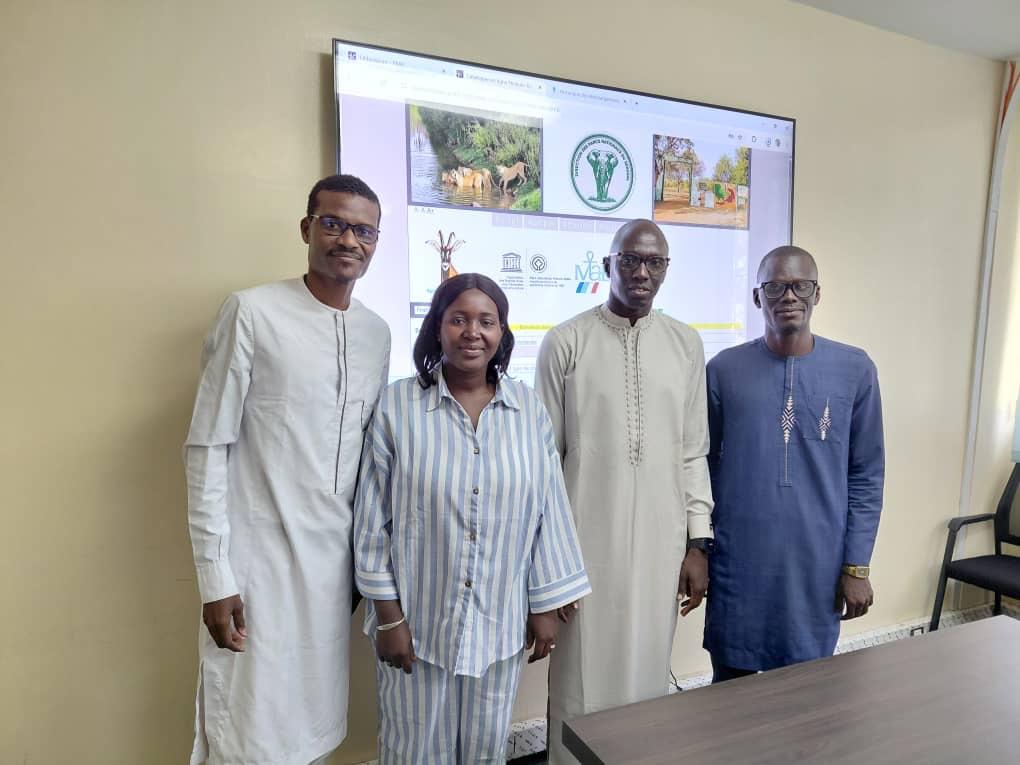
The Niokolo Base is now the only facility that brings together all the documentation produced in and around the park. It is used to prepare missions, draft reports, develop projects and respond to requests from researchers and partners. It has also fostered a culture. Staff now know that the work they produce can be preserved and put to good use. During the scoping workshop for the park’s future development and management plan, the database was presented as a tool for data-driven governance.
The Niokolo-Base will officially open to the public at the end of October2026 and is expected to inspire similar initiatives in other Senegalese national parks.
Because documenting and understanding an ecosystem means we are better placed to protect it.
Projet clôturéCambodia
Democratic Republic of the Congo
Senegal
Peru
Senegal
Benin | Democratic Republic of the Congo | Senegal
Benin
Benin
Benin
Benin
 Projet clôturé
Cambodia

Burkina Faso
Belgium
 Projet clôturé
Cambodia
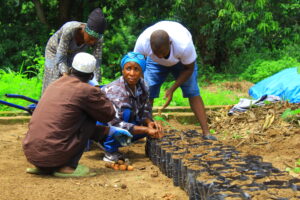
Guinea
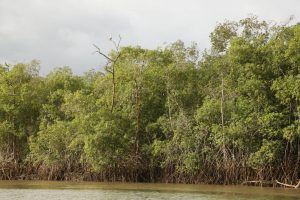
Guinea
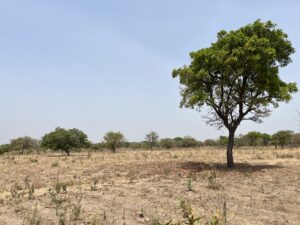
Benin
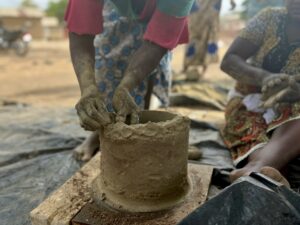
Benin
Benin | Burkina Faso
Benin
Benin
Benin
Benin
Benin
Benin
Democratic Republic of the Congo
Belgium | Democratic Republic of the Congo
Senegal
Senegal
Democratic Republic of the Congo

Democratic Republic of the Congo
Democratic Republic of the Congo
Democratic Republic of the Congo
Senegal
Democratic Republic of the Congo
 Projet clôturé
Burkina Faso
Democratic Republic of the Congo
Guinea
Democratic Republic of the Congo
Benin | Democratic Republic of the Congo | Guinea | Senegal
Belgium
Democratic Republic of the Congo
Belgium
Cambodia
Senegal
Senegal
Senegal
Senegal
Senegal
Senegal
Senegal
Senegal
Senegal
Senegal
Cambodia
Benin | Burkina Faso | Guinea | Senegal
Peru
Bolivia
 Projet clôturé
Peru