Agroecological Approaches to Reduce the Toxic Effects of Agri-Food Systems (DAETOX)
The DAETOX project aims to reduce pollution in agri-food systems by supporting the agroecological transition in regions of Benin, Senegal, and the DRC. Based on the One Health approach, it sustainably improves the health of ecosystems, people, and animals while strengthening local livelihoods.
Major financial partners

Background
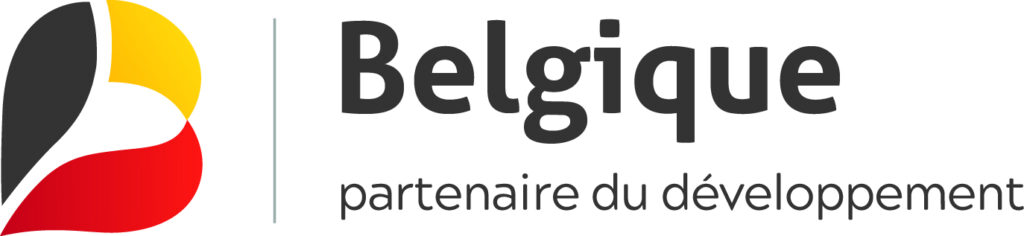
In rural areas of Benin, Senegal, and the Democratic Republic of the Congo, climate vulnerability, population pressure, food insecurity, and socioeconomic inequalities are exacerbating rural households’ dependence on subsistence farming, which is already under strain.
At the same time, intensive peanut and cotton farming, as well as intensive vegetable farming, give rise to three types of pollution:
- Contamination of water, soil, and food due to increased use of chemical fertilizers.
- A risk of pathogens and antibiotic resistance resulting from inadequate management of livestock waste and uncontrolled use of antibiotics.
- Erosion and exposure of communities to toxic emissions due to the overexploitation of forest resources.
In the face of these interrelated risks, sector-specific responses are proving inadequate and call for integrated, locally tailored approaches.
Objectives
The DAETOX project aims to achieve a sustainable reduction in pollution from agri-food systems by supporting the agroecological transition in the regions where it operates. It seeks to improve the overall health of people, animals, and ecosystems by adopting the One Health approach (which highlights the links between human, animal, and environmental health) as a guiding framework for action. By supporting nature-based innovations, DAETOX seeks to balance the reduction of health risks, the preservation of natural resources, and the improvement of living conditions for rural households. The project simultaneously strengthens the capacities of local actors, the production of scientific data useful for public decision-making, and the structuring of sustainable value chains, in order to create resilient, economically viable development pathways that can be replicated on a larger scale.
ODD

Activities
To achieve this goal, the DAETOX project will:
Preserving and restoring natural resources: DAETOX strengthens the co-management of forests, soils, and protected areas; supports the restoration of degraded ecosystems; and develops sustainable income-generating activities, thereby reducing pressure on natural resources.
Generating data and strengthening One Health capabilities: DAETOX supports participatory regional assessments, action research, and applied training programs to document pollution, analyze its health impacts, and build the capacity of public, scientific, and community stakeholders to take coordinated action.
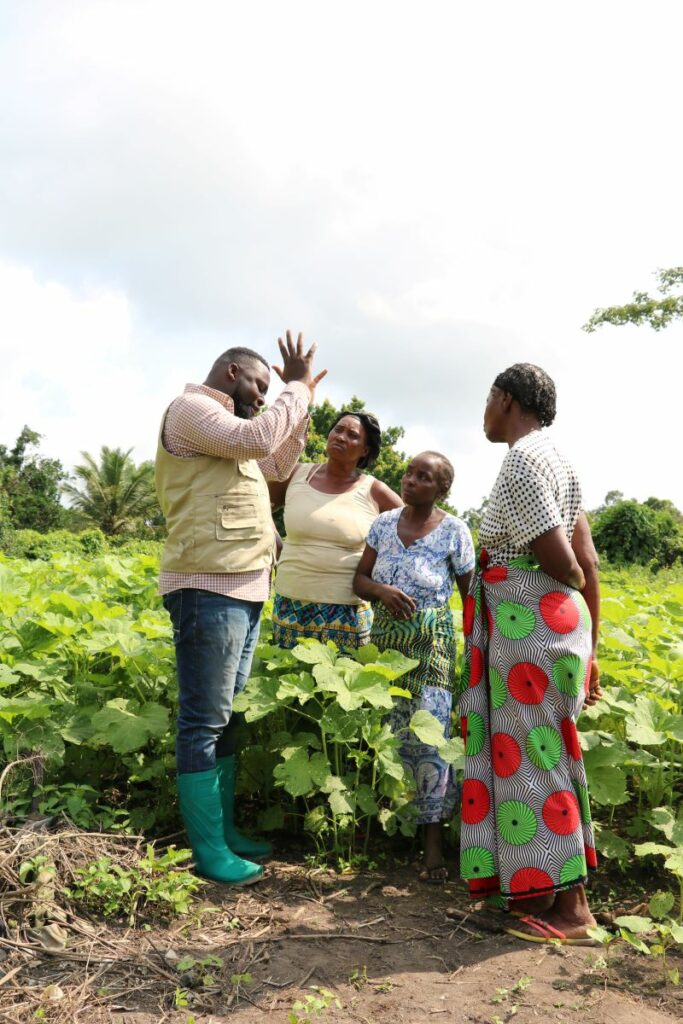
Supporting the adoption of agroecological practices: The project supports farmers through demonstration fields, innovation circles, and economic demonstration initiatives, promoting the adoption of practices that reduce the use of chemical inputs while ensuring income stability and food security.
Expected results
The DAETOX project aims to achieve the following results:
- Sustained influence on public policy, supported by scientific data and multi-stakeholder advocacy mechanisms.
- A measurable reduction in pollution caused by pesticides, veterinary products, livestock manure, and deforestation in the target areas.
- Improving overall health by reducing human and animal exposure to toxic substances and enhancing dietary diversity.
- Strengthening the economic resilience of rural households through the adoption of profitable agroecological practices and the development of local value chains.
Beneficiaries
8,500 households
Financial Partners
- FFEM
- DGD
- IRD
- Colruyt Group Foundation
- Enabel
- Research Center for International Development
- Wallonia-Brussels International
Operational partners
- IRD (consortium member),
- RESOPP & AmBeKoun-Solidarity in Senegal;
- ANaF and ADESIA in Benin;
- ACODEP, CCPN, COAPMA, ICCN, and INERA Luki in the Democratic Republic of the Congo
Location
- Benin (Dassa-Zoumé, N’Dali (Agricultural Cluster 4), and Toucountouna (Agricultural Cluster 3) municipalities)
- Democratic Republic of the Congo (Central Kongo Province (around the Luki Biosphere Reserve and the Mangrove Marine Park))
- Senegal (Thiès, Koungheul, and Tambacounda Departments)
Budget
€4,000,000
Duration
April 2026 – April 2031
Contact person
The latest news on this project
Aucun article trouvé.