 Projet clôturé
UpScale
Cambodia
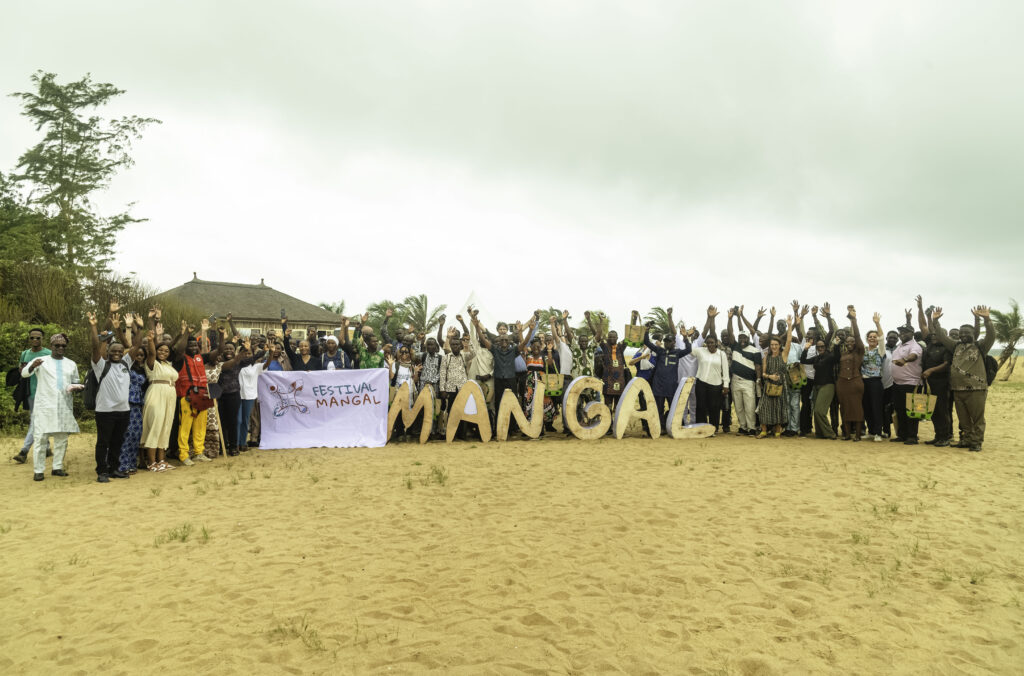
From 22 to 27 September 2026, Cotonou, Aného and Grand-Popo hosted the closing event of the second edition of the Mangal Festival. Organised by the Gulf of Benin Deltas Collective and coordinated by Ucoopia, the festival brought together researchers, artists, protected area managers, local communities, economic stakeholders and partners to discuss issues relating to the conservation and sustainable use of West Africa’s river-marine ecosystems.
A portmanteau of ‘mangrove’ and ‘festival’, the Mangal Festival aims to be a space where art, science, the local area and environmental activism come together. Following its inaugural edition held in Toubacouta, Senegal, in 2023, the festival returned in 2026 to Benin and Togo, with a particular focus on the Mono Delta Transboundary Biosphere Reserve.
This second edition placed particular emphasis on agroecology and ecotourism, which are seen as drivers of sustainable development and economic growth in local areas. Rather than being confined to a few days of festivities, the Mangal Festival has been organised throughout the year across five complementary programmes.
For several months, five complementary programmes kept the festival alive well beyond the final event:
These programmes never operate in isolation: for example, the issues raised by managers during their roadshow directly informed the challenges set for the teams at the science hackathon, who were tasked with devising practical solutions. This proves that the strength of the Mangal Festival lies in these intersections — between fields of knowledge, disciplines and borders.
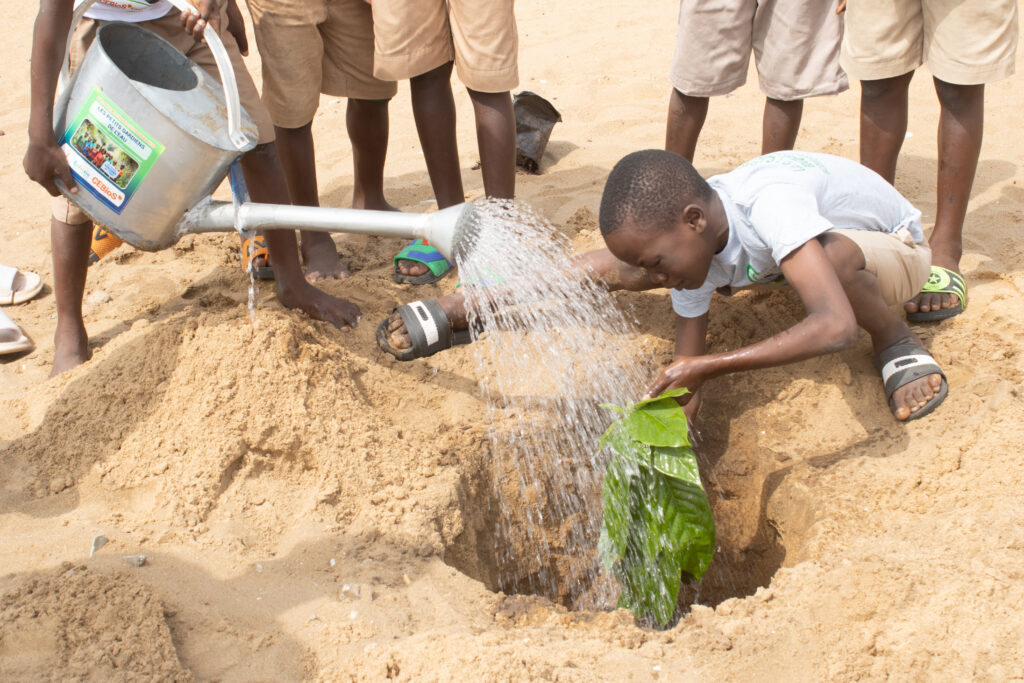
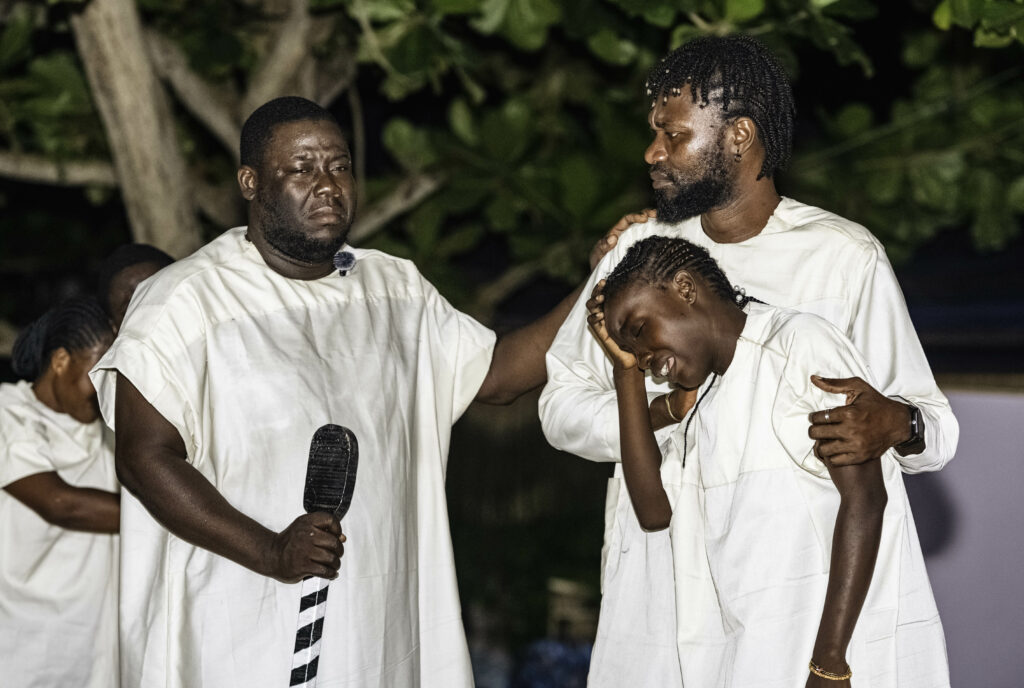
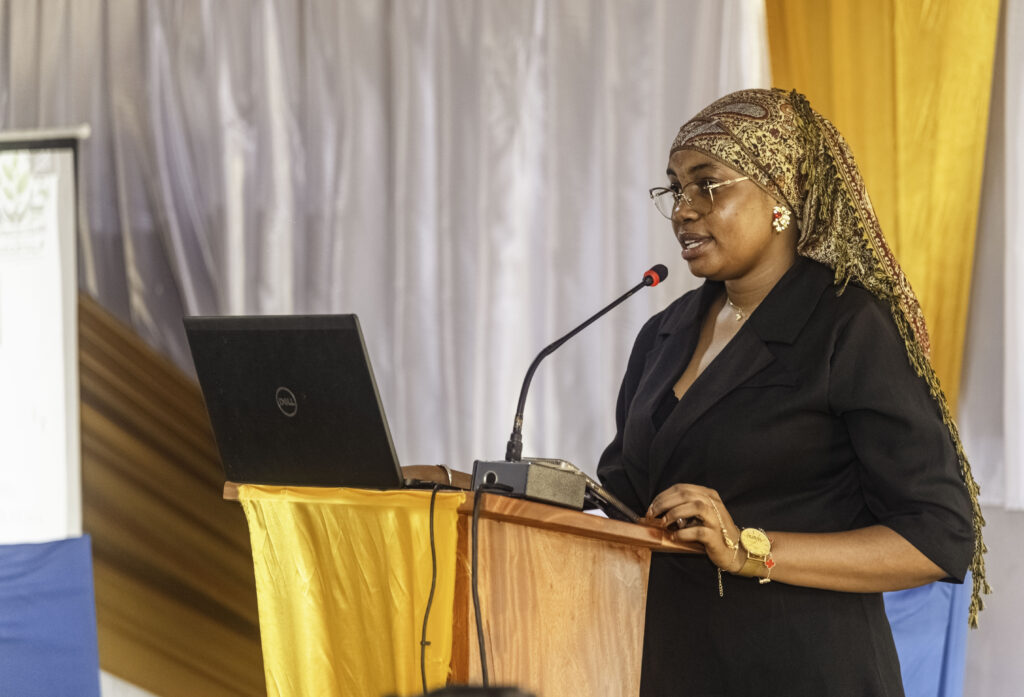
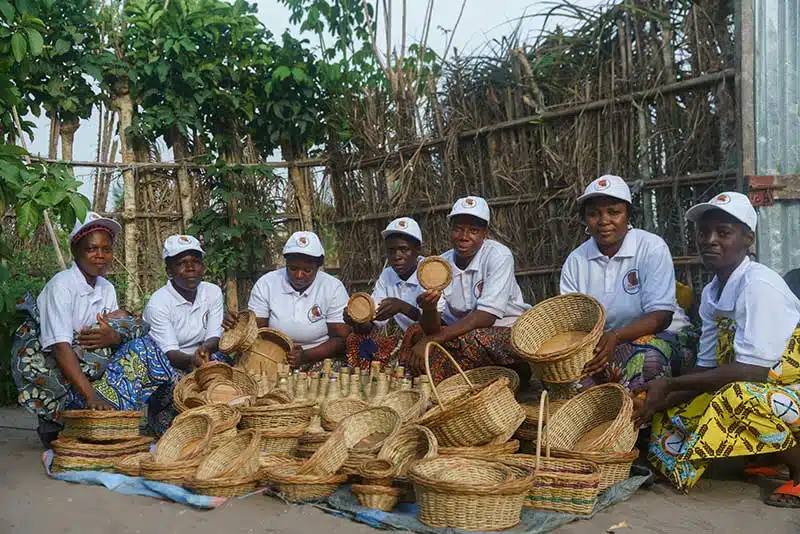
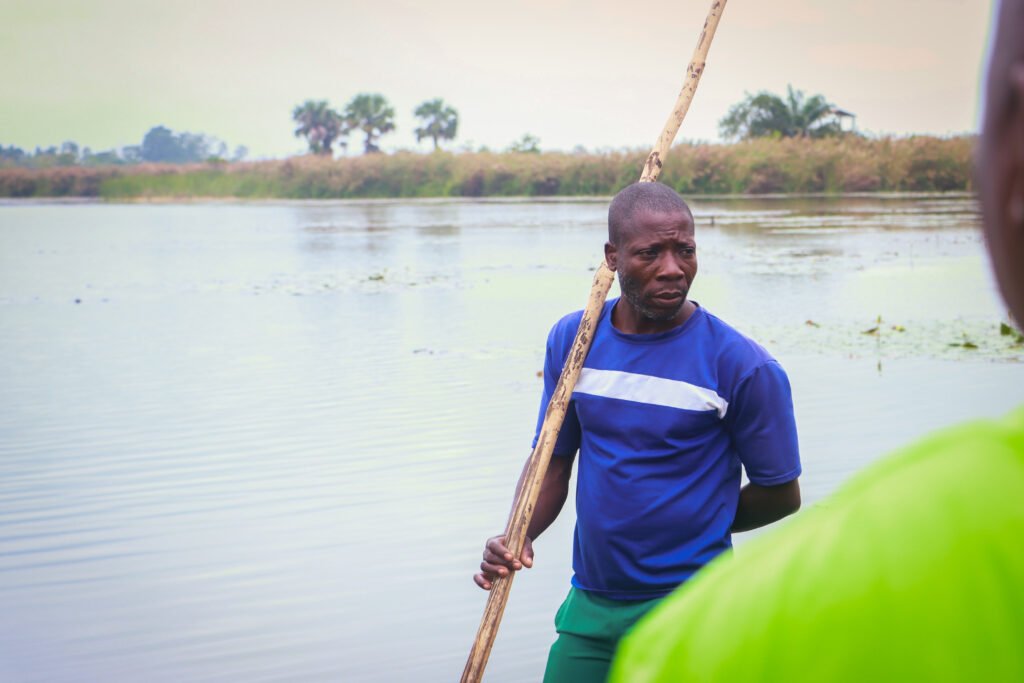
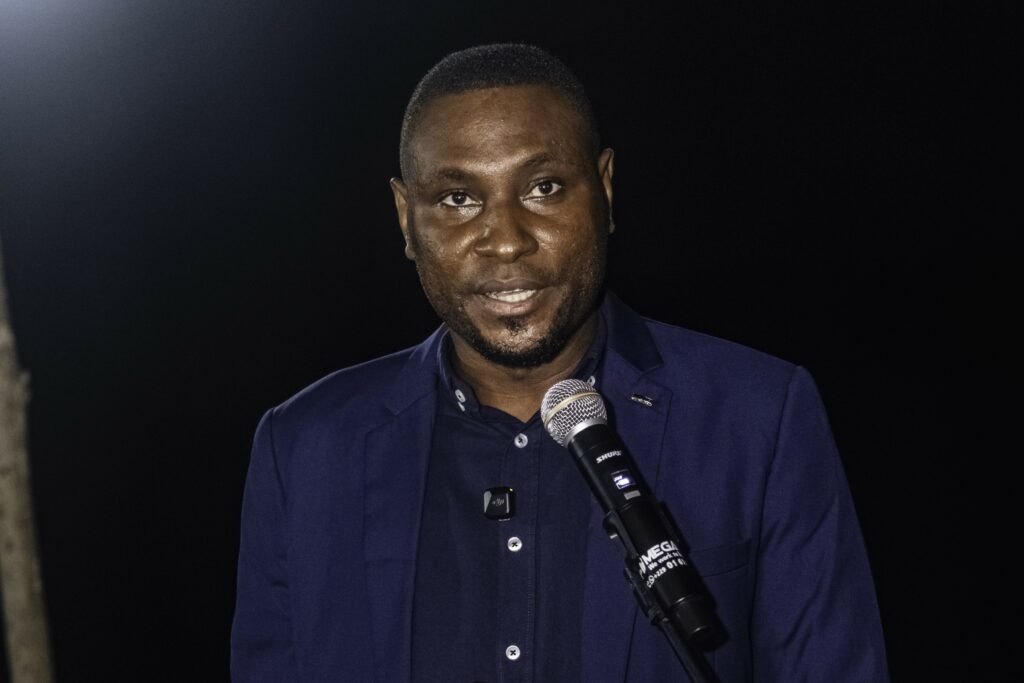
Following several months of activities, the closing event brought together the festival’s various audiences and partners from 22 to 27 September in Cotonou, Aného and Grand-Popo. The official launch took place on 22 September amongst the mangroves at Bab’s Dock in Cotonou. The following day, Aného hosted cross-border conferences focusing in particular on the governance of protected areas and cooperation for the conservation of coastal ecosystems.
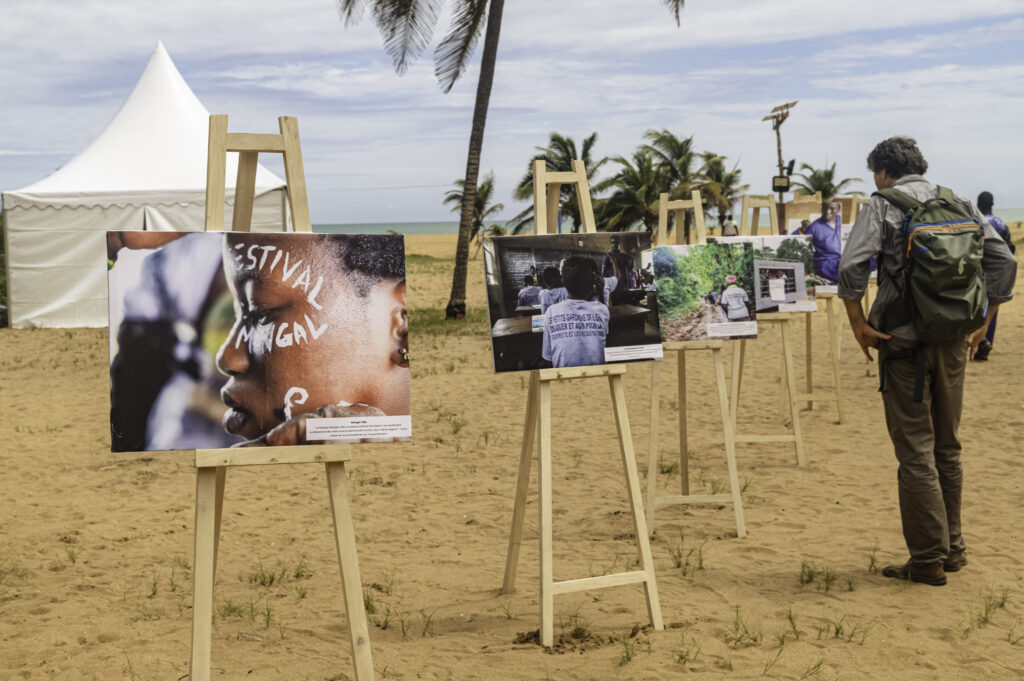
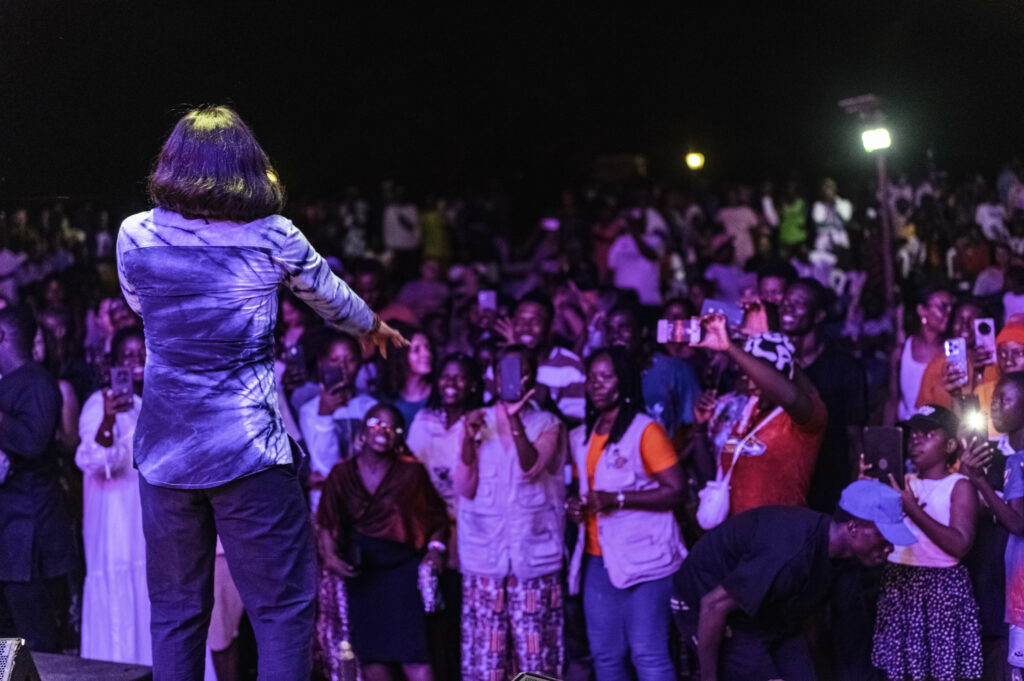
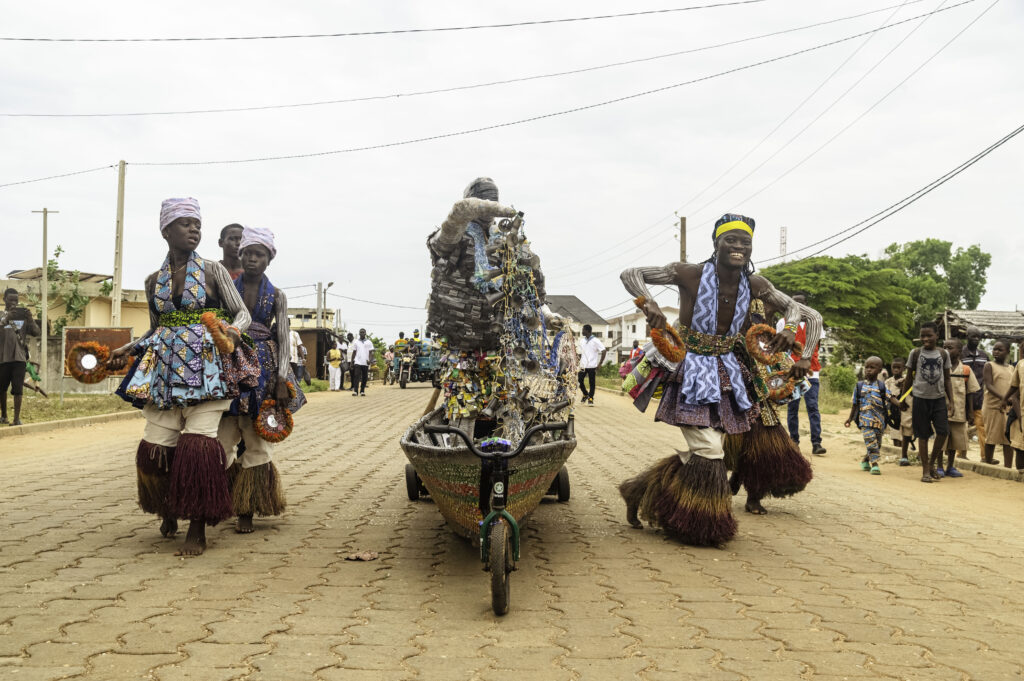
From 24 to 27 September, Grand-Popo then welcomed the general public to a number of key events: an international scientific conference, a trade fair, a community village, performances, exhibitions, a hackathon and ecotourism tours — a festive event that reflected the festival’s ambition: to foster dialogue between science, art and local initiatives.
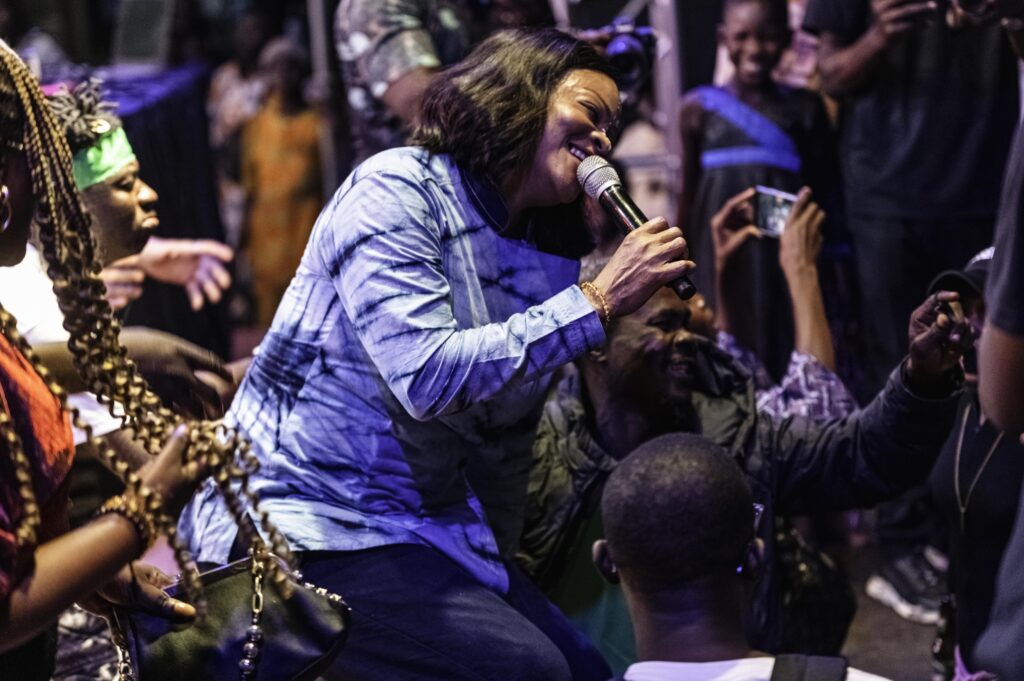
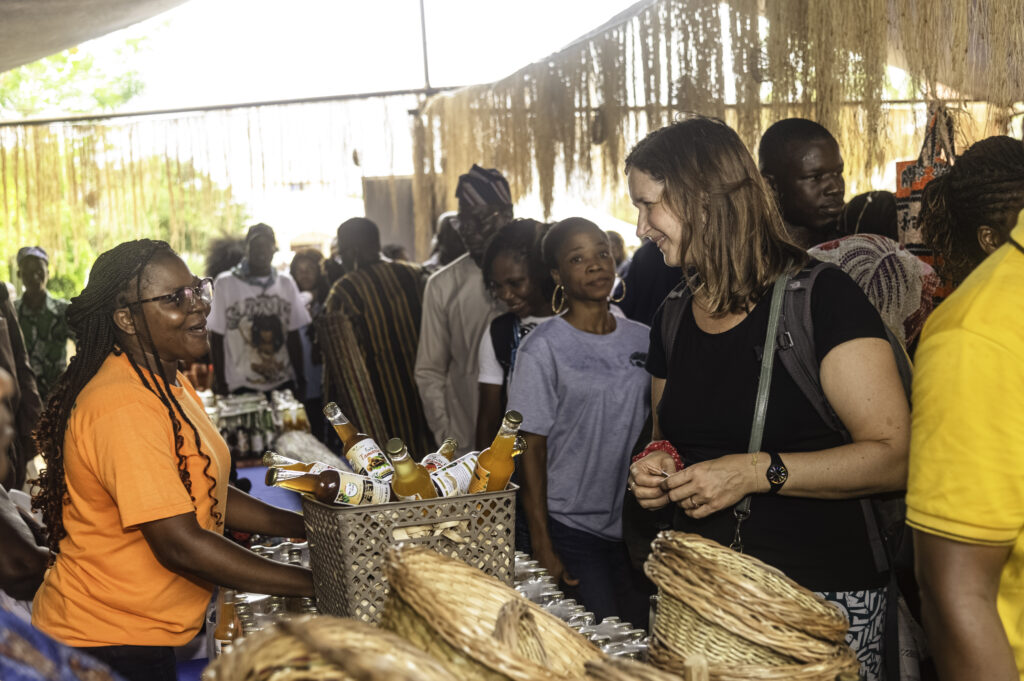
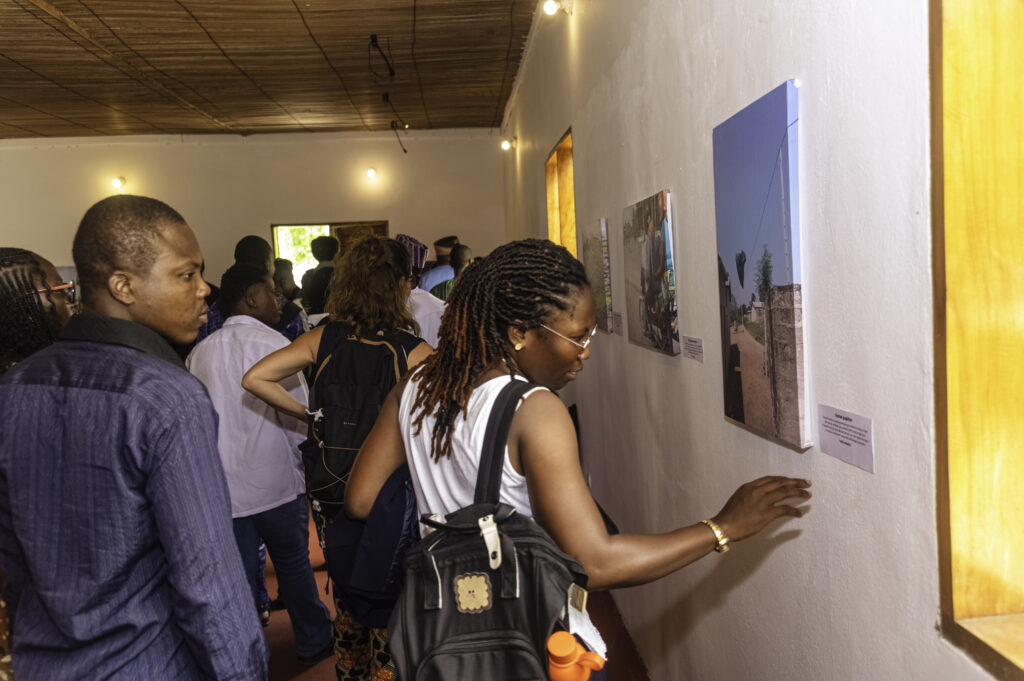
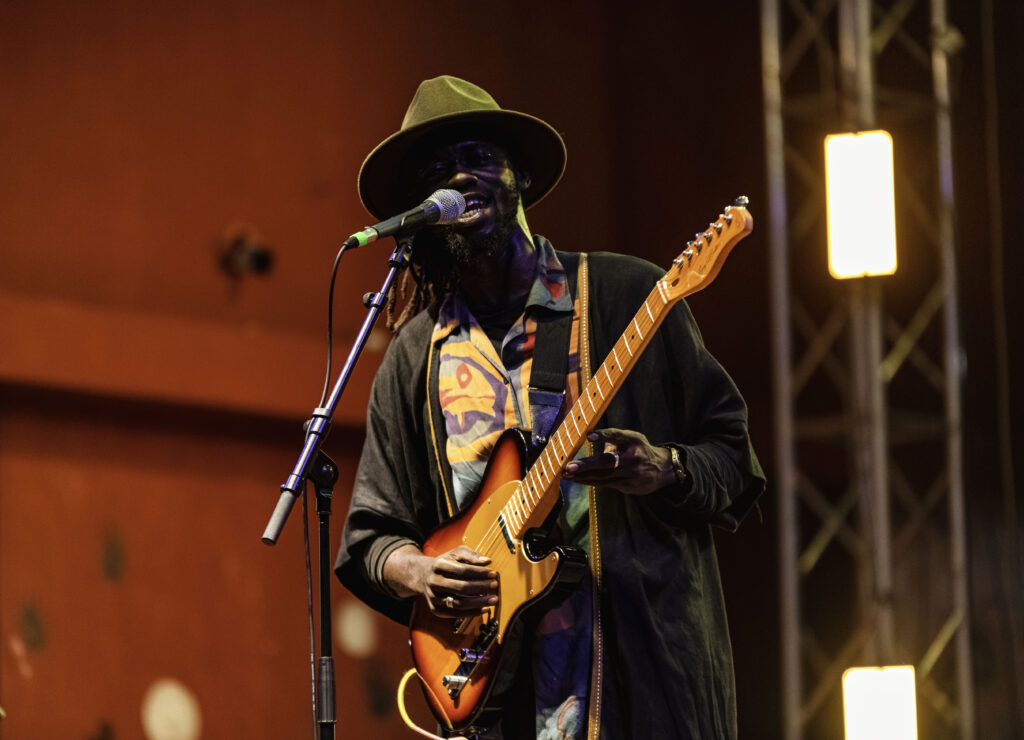
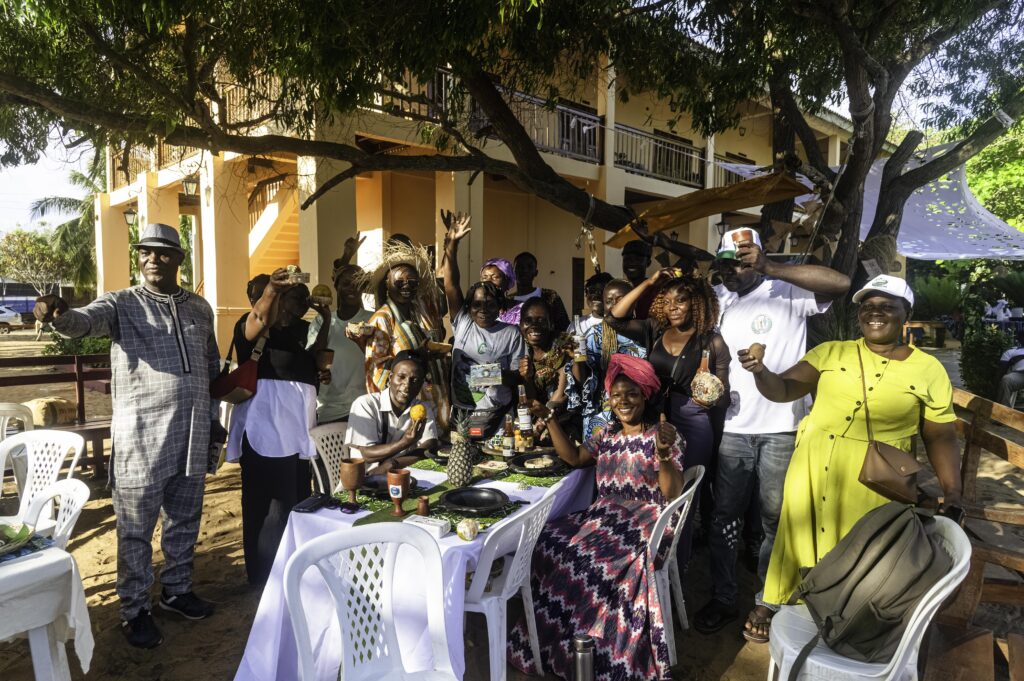
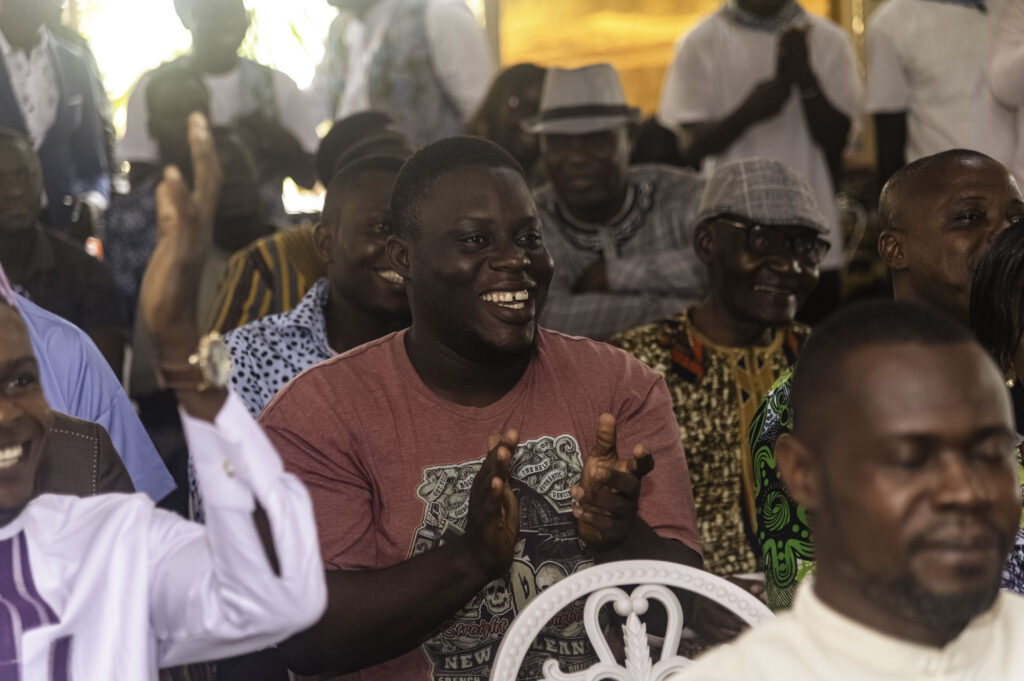
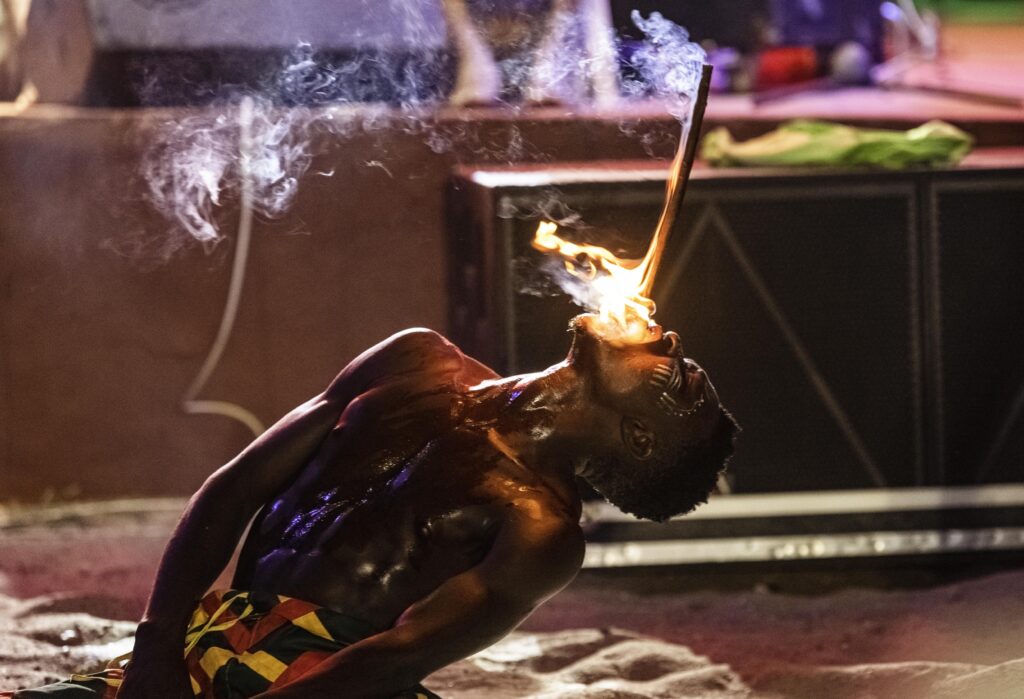
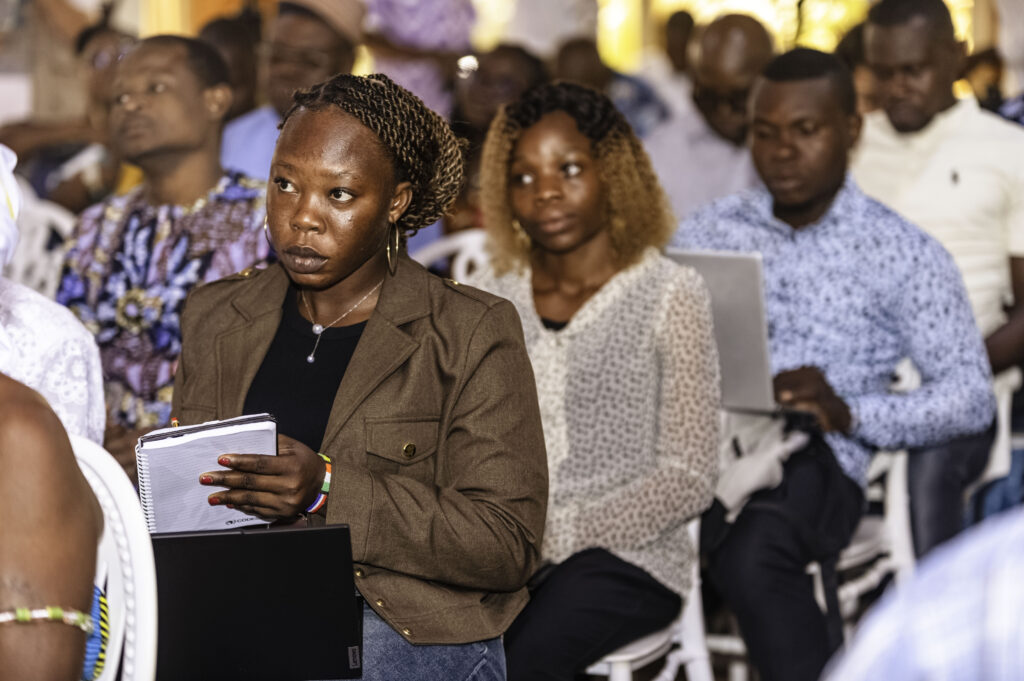
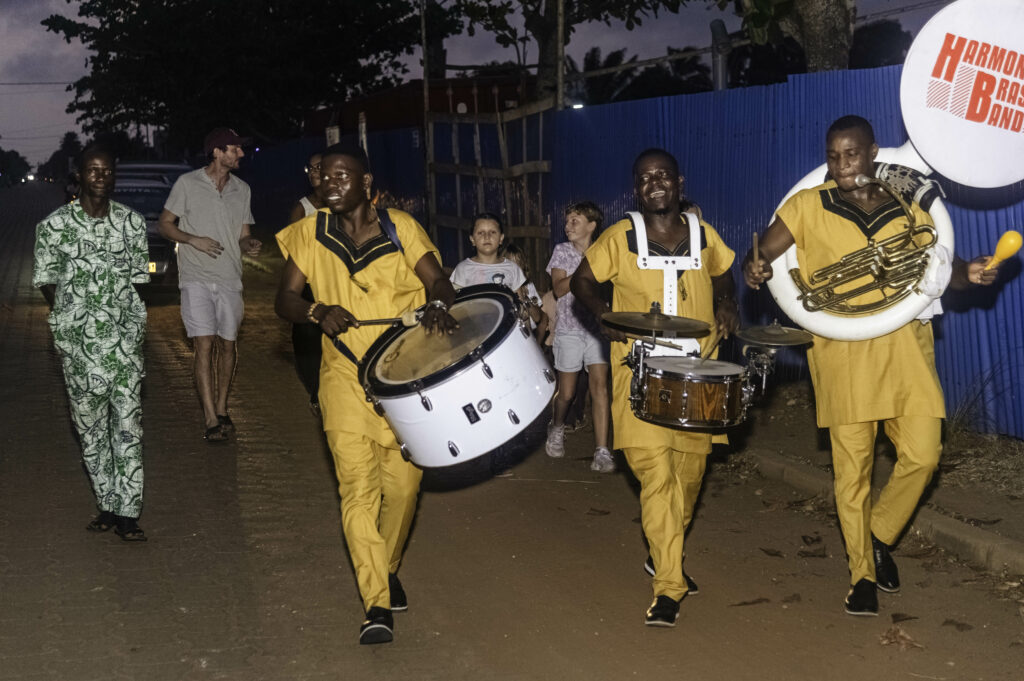
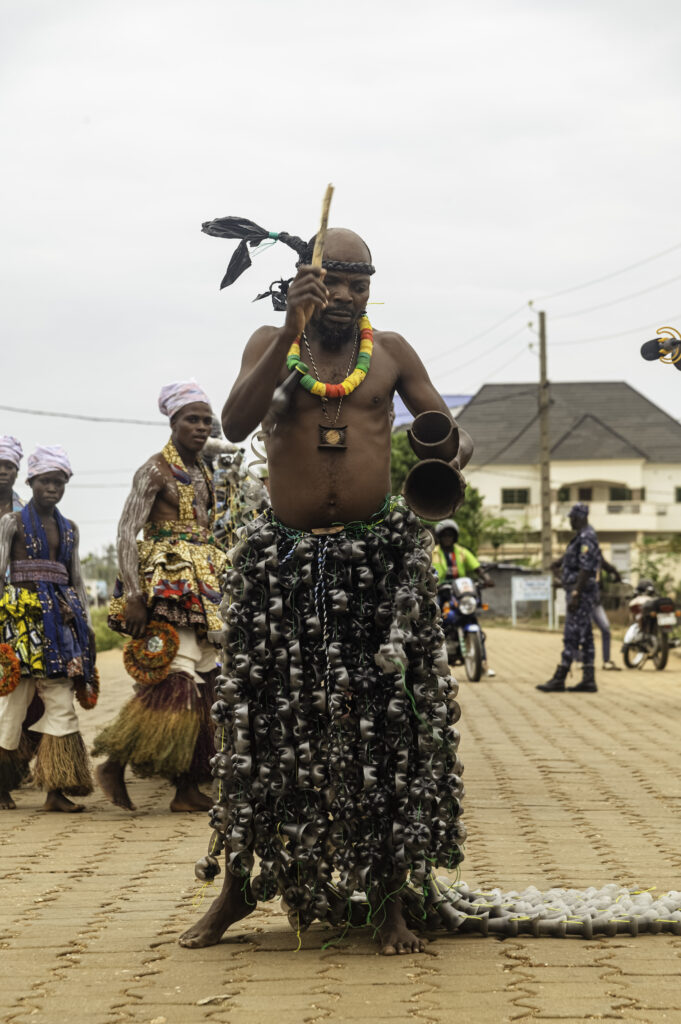
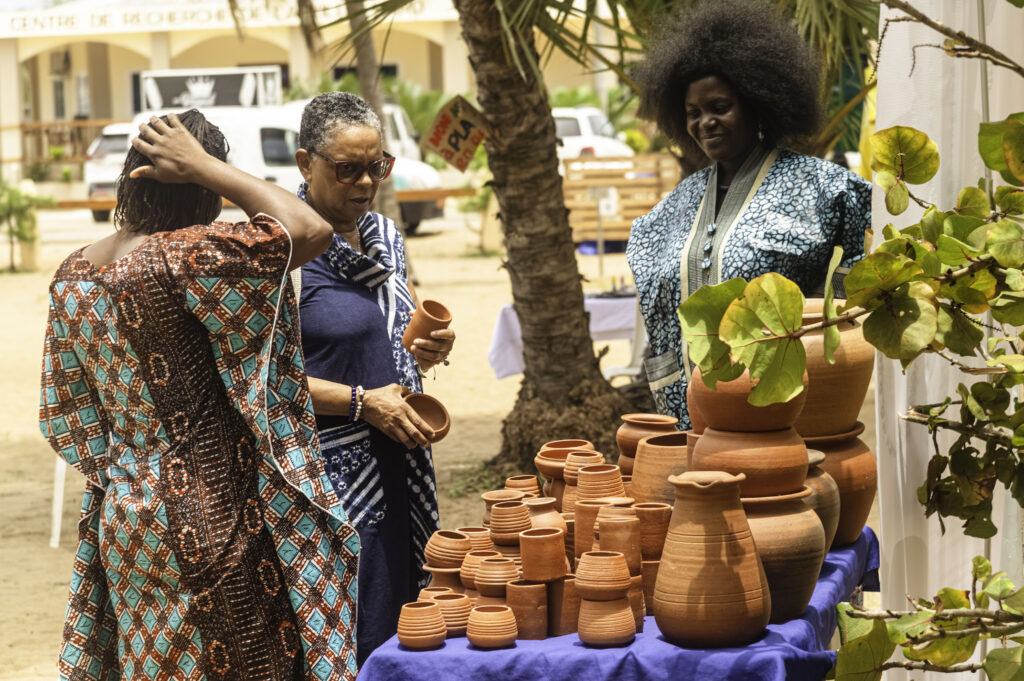
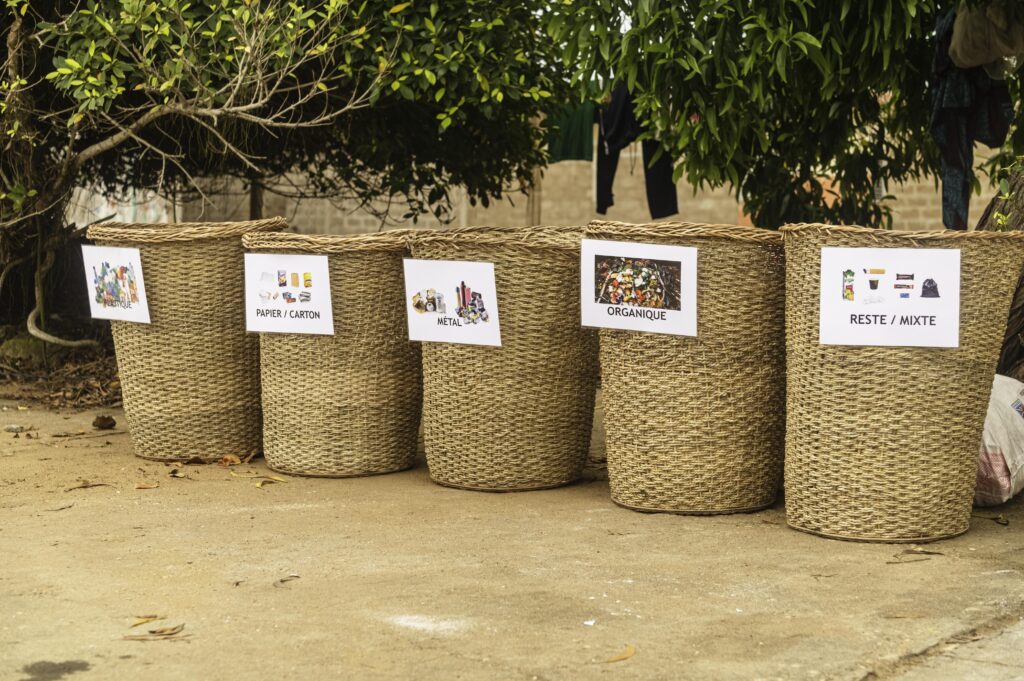
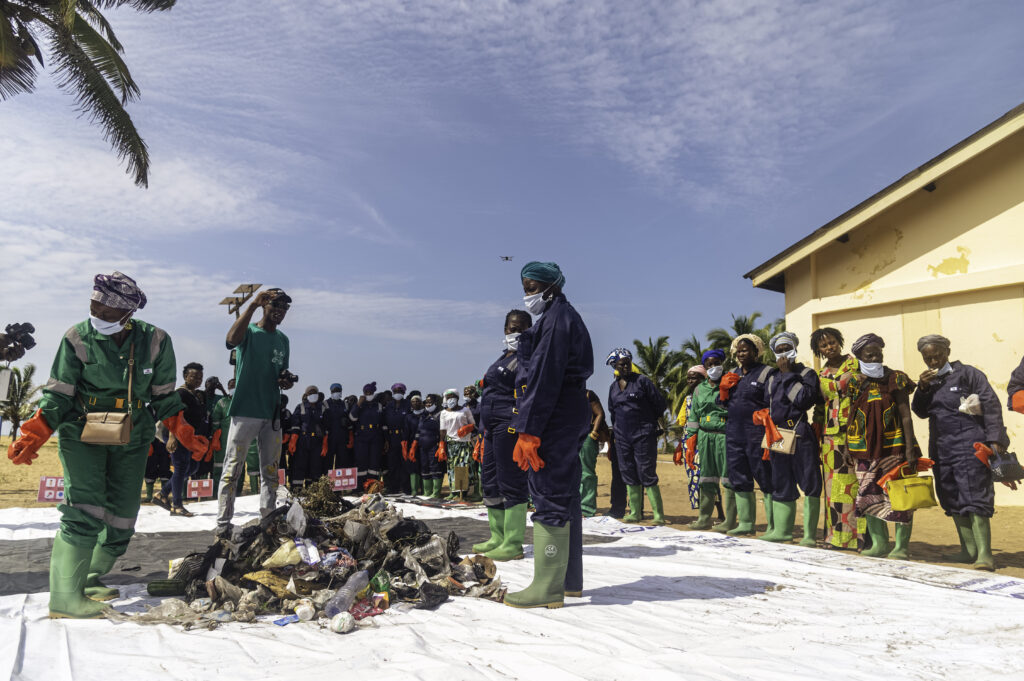
Throughout the event, the Mangal Festival followed its own eco-friendly roadmap: reducing waste, limiting single-use plastic, sourcing local food, and car-sharing. Particular attention was also paid to inclusion, with the introduction of a Safe Zone and a childcare service during the final event.
This festival would not have taken place without the dedicated actors and actresses from La Réserve, the artists, researchers and scientific institutions, the organisers, local authorities, technical and financial partners, and civil society organisations – not to mention the exhibitors, volunteers and the public. Every contribution made a difference. This second edition was organised with the support of the ‘École des métiers du tourisme, de l’hôtellerie et de la restauration’ programme, funded by the Grand Duchy of Luxembourg and implemented by LuxDev, the Luxembourg Agency for Development Cooperation, as well as with the support of numerous technical, financial and institutional partners — including the European Union and Global Gateway through the WASOP project, the Belgian Embassy, UNESCO, Enabel, IUCN, Eco-Bénin, SECORES, Gbios, Solidarité Laïque, the Red Cross of Flanders and Benin, SMT and SOBEBRA, as well as the Collectif des Deltas du Golfe du Bénin.
This diversity of partners illustrates the guiding principle behind the festival: the conservation of ecosystems is a collective endeavour, involving local communities, institutions and economic stakeholders.
The curtain has come down on this second edition, but the momentum generated in the Reserve continues. The lessons learnt from this edition will inform the next stages of the project, with the aim of strengthening cross-border cooperation in West Africa for the benefit of ecosystems in the long term.
We’re already planning the next event: a third edition of the Mangal Festival is on the cards! Stay tuned to Ucoopia’s and the Mangal Festival’s channels for updates.
 Projet clôturé
Cambodia
Democratic Republic of the Congo
Senegal
Peru
Senegal
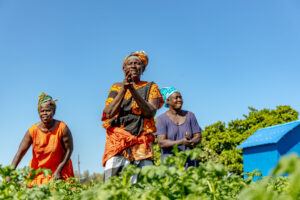
Benin | Democratic Republic of the Congo | Senegal
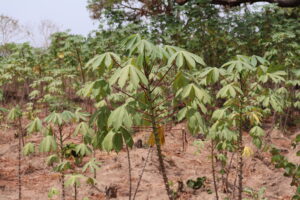
Benin
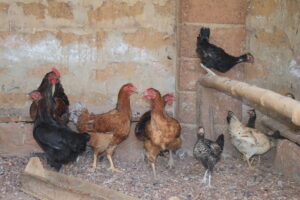
Benin
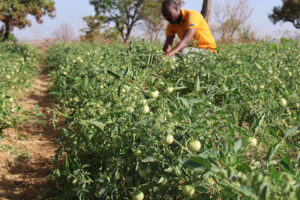
Benin
Benin
 Projet clôturé
Cambodia
Burkina Faso
Belgium
 Projet clôturé
Cambodia
Guinea
Guinea
Benin
Benin
Benin | Burkina Faso
Benin
Benin
Benin
Benin
Benin
Benin
Democratic Republic of the Congo
Belgium | Democratic Republic of the Congo
Senegal
Senegal
Democratic Republic of the Congo
Democratic Republic of the Congo
Democratic Republic of the Congo
Democratic Republic of the Congo
Senegal
Democratic Republic of the Congo
 Projet clôturé
Burkina Faso
Democratic Republic of the Congo
Guinea
Democratic Republic of the Congo
Benin | Democratic Republic of the Congo | Guinea | Senegal
Belgium
Democratic Republic of the Congo
Belgium
Cambodia
Senegal
Senegal
Senegal
Senegal
Senegal
Senegal
Senegal
Senegal
Senegal
Senegal
Cambodia
Benin | Burkina Faso | Guinea | Senegal
Peru
Bolivia
 Projet clôturé
Peru