TISS: Territories, Interdependence, Health, and Solidarity
The interdependence of human, animal, and environmental health is now widely recognized. In the face of global challenges such as pandemics, antimicrobial resistance, climate change, and ecosystem degradation, a holistic and integrated approach to health (or “One Health”) is an absolute necessity.
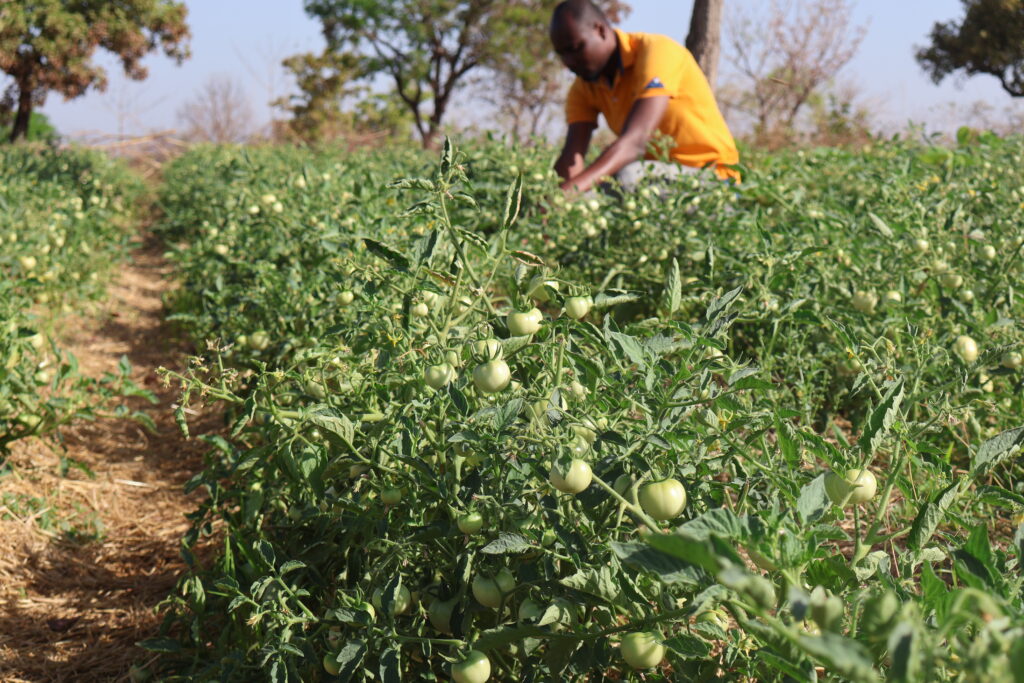
In Benin, these challenges are particularly acute due to the country’s heavy reliance on agriculture and livestock farming. Because of the constant interactions between people, livestock, and wildlife, the country faces numerous zoonotic and infectious diseases, which have significant impacts on public health and the economy. The effects of climate change (floods, droughts, etc.) and ecosystem degradation exacerbate health risks and population displacement.
Despite growing recognition of the “One Health” approach, its implementation remains limited by a lack of coordination among stakeholders and a poor understanding of the issues at stake, particularly in rural areas.
Objective
The main objective of the project is to strengthen civic awareness and the capacity for action among local stakeholders in the area of global health (One Health) through participatory approaches to regional assessment and innovative educational tools.
What We Do
The TISS project aims to strengthen civic awareness and the capacity for action among local stakeholders in Benin through the “One Health” approach. Specifically, TISS focuses on two main areas:
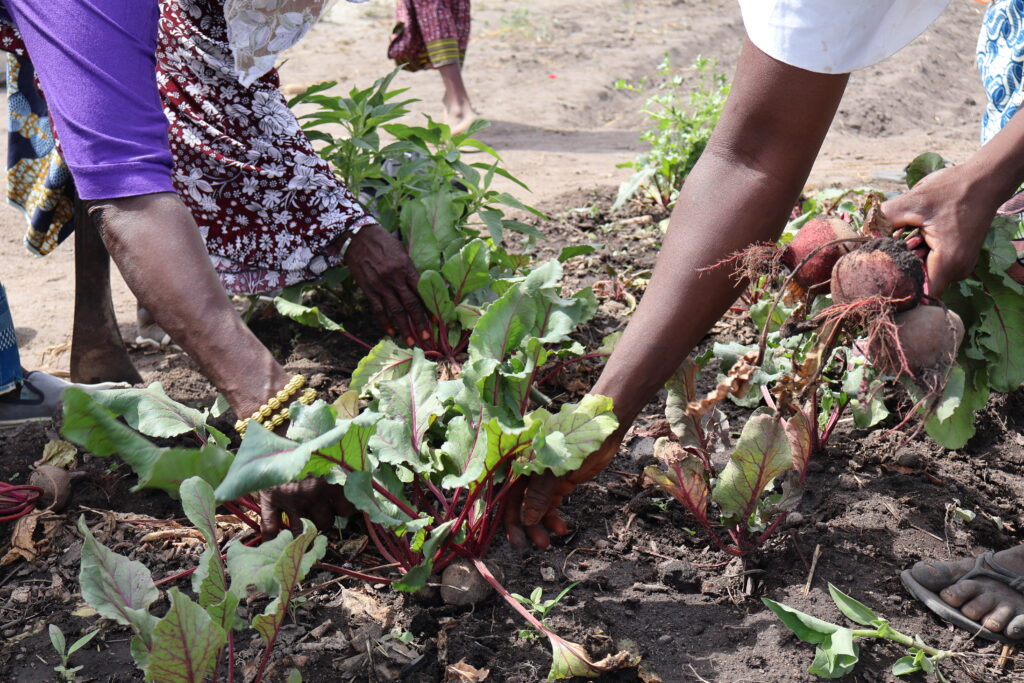
- Co-developing a One Health territorial diagnostic tool with local communities: during participatory workshops, local stakeholders work together to identify global health issues by jointly developing diagnostic tools. These tools are then tested in the field to ensure they are adapted to local realities, as part of an action-research approach. They are subsequently disseminated to communities in accessible and easily reusable formats (maps, short videos, guides, etc.).
- Raising awareness among students and local stakeholders about global health issues through participatory activities based on the One Health approach. Through workshops at universities, students trained in educational facilitation explore together the interdependencies between health and the environment using the string game. Their insights and learnings then serve as the basis for creating educational resources, recommendations, and knowledge-sharing materials to reinforce and sustain the project’s impact.
Target audience
- Approximately 500 people from the target areas (farmers, herders, community leaders, traditional leaders, local associations, and women’s and youth groups)
- Professionals and decentralized services (health centers and hospitals, veterinarians and livestock technicians, environmental service officers, teachers, local educators, etc.)
- 150 students participating in awareness-raising sessions using the string game
Summary
- Duration: March 2026 – March 2028
- Financial partner: Wallonie-Bruxelles International (WBI)
- Operational partners:
- Laboratory for Research on Innovation in Agricultural Development (LRIDA)
- Faculty of Veterinary Medicine at the University of Liège
- French National Research Institute for Sustainable Development (IRD)
- Project location: N' Dali, Dassa, Toucountouna
Sustainable Development Goals (SDGs)
Contacts
Setondé Constant Gnansounou, Franck ADJE, and Pierre COLLIERE
Related news
Aucun article trouvé.