Hydraulic heritage – inauguration of the Shuclluyoc dam
understanding and protecting pre-Hispanic systems
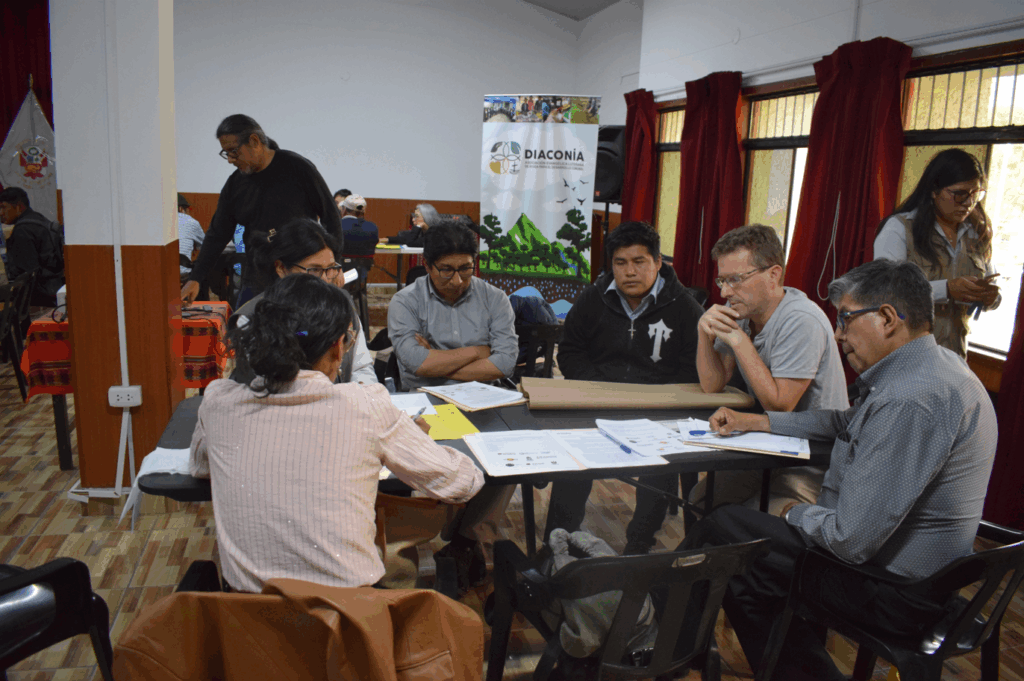
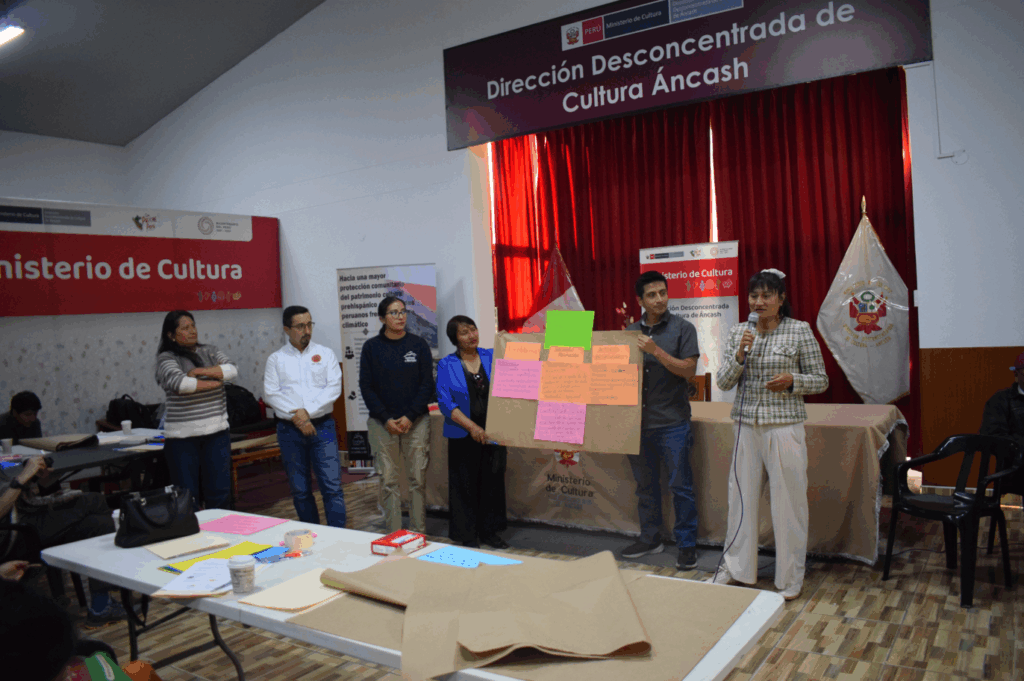
On 26 August, a workshop entitled ‘Protection and Rehabilitation of Cultural Heritage Related to Water Management’ was held in Huaraz. The workshop brought together representatives from public institutions, civil society and local communities.
Held in the auditorium of the Ancash Regional Directorate of Culture, it was organised by the University of Reading and CONICET, in collaboration with DIACONIA and Ucoopía.
There were three main goals:
- to understand the role of pre-Hispanic water systems (amunas, wetlands, canals, etc.) in climate resilience;
- outline their link(s) to the Peruvian institutional and legal context;
- to explore the possibilities for developing action strategies involving local communities and the various government bodies.
cross-sectoral coordination
It is made clear from these discussions that the restoration and enhancement of water heritage require cross-sectoral coordination between public institutions and the stakeholders involved in water and heritage management.
This must take into account the regulatory aspects likely to facilitate it, as well as intercultural approaches and the active participation of the local population and rural communities.
Inauguration of the restored pre-Hispanic Shuclluyoc embankment!
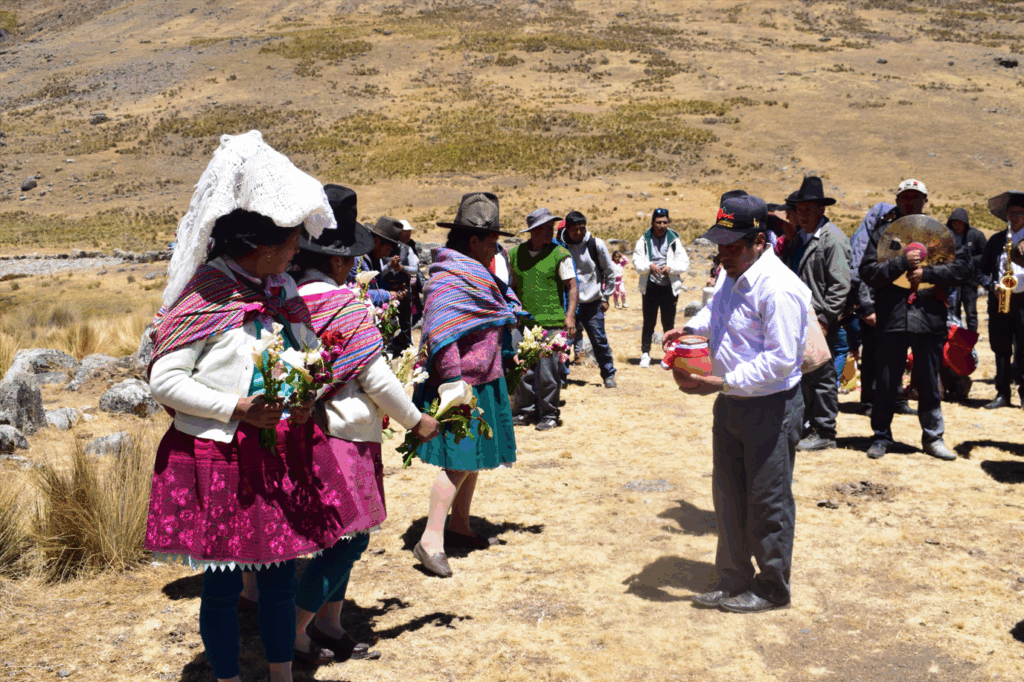
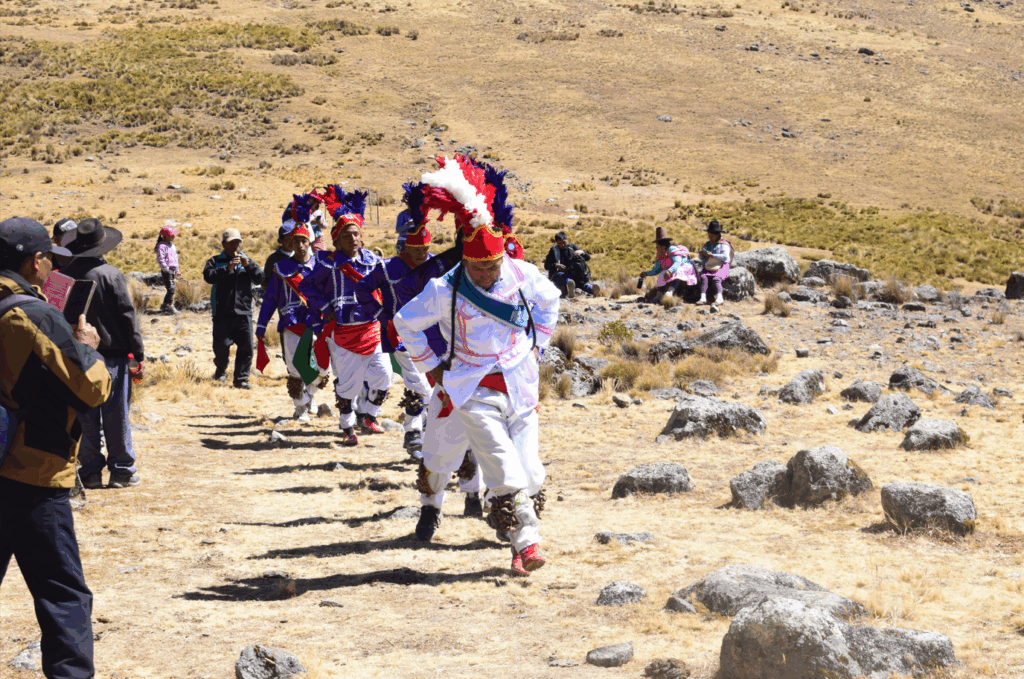
An inauguration ceremony was held on 27 August, following the completion of restoration work on the pre-Hispanic Shuclluyoc embankment. The event was organised by the Cajamarquilla farming community and the partner organisations of the UNE Yaku project. Local authorities, including the district mayor and representatives of the regional government, also attended, as did those who had taken part in the workshop on the 26th.
A three-part ceremony
The ceremony took place in three main stages.
During the formal part of the ceremony, emphasis was placed on the importance of the work carried out and the role of traditional water systems in ensuring water security and the community’s resilience to climate change.
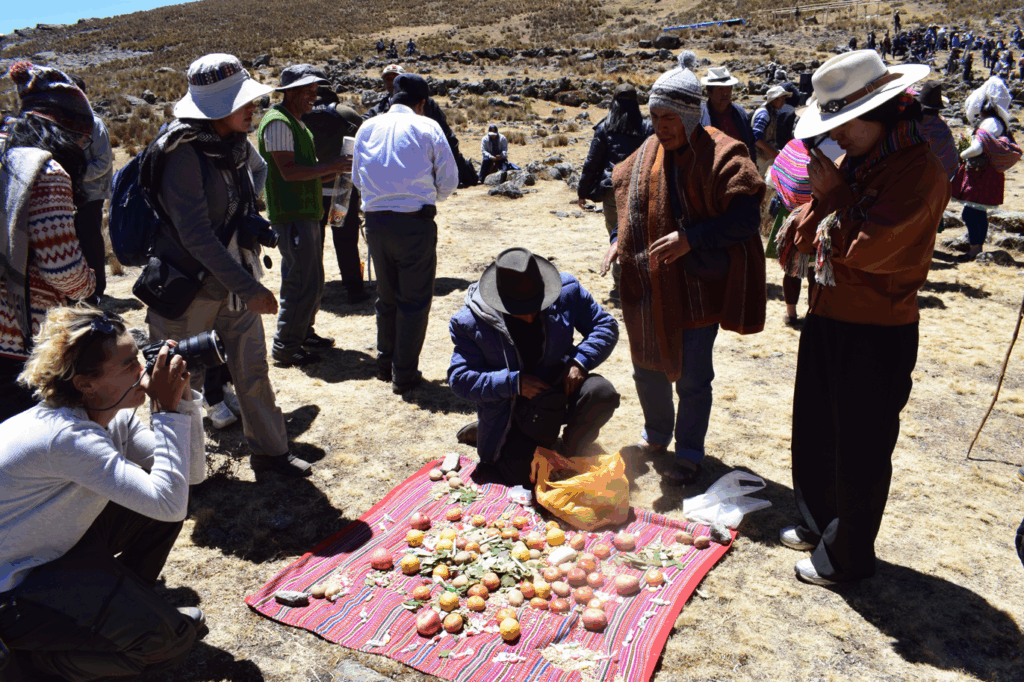
The ribbon-cutting was accompanied by a ‘Payment to the Earth’, a pre-Hispanic ritual of offerings to Pachamama.
Finally, participants enjoyed a convivial get-together with the community. On the programme: a tasting of ‘pachamanca’ (a traditional Peruvian meal) and a five-a-side football tournament!
This activity provided an opportunity to build on the ideas that had emerged from the previous day’s workshop. Participants observed, in the field, the restoration work being carried out on the dyke, the extent of the hydraulic systems and their relationship with the landscape.
At the community’s initiative, the candidates standing for the district mayoralty also took part in the day’s events. The aim was to secure commitments to continue the restoration of the area’s traditional hydraulic infrastructure.