The UNE YAKU Project: Ancient Waters for the Future
Project objectives:To promote climate change adaptation among families in rural areas through the rehabilitation and restoration of traditional local water and irrigation systems linked to water management, thereby contributing to the resilience of agricultural and water systems in the Cordillera Negra, Ancash, Peru (2026–2028).
Project background
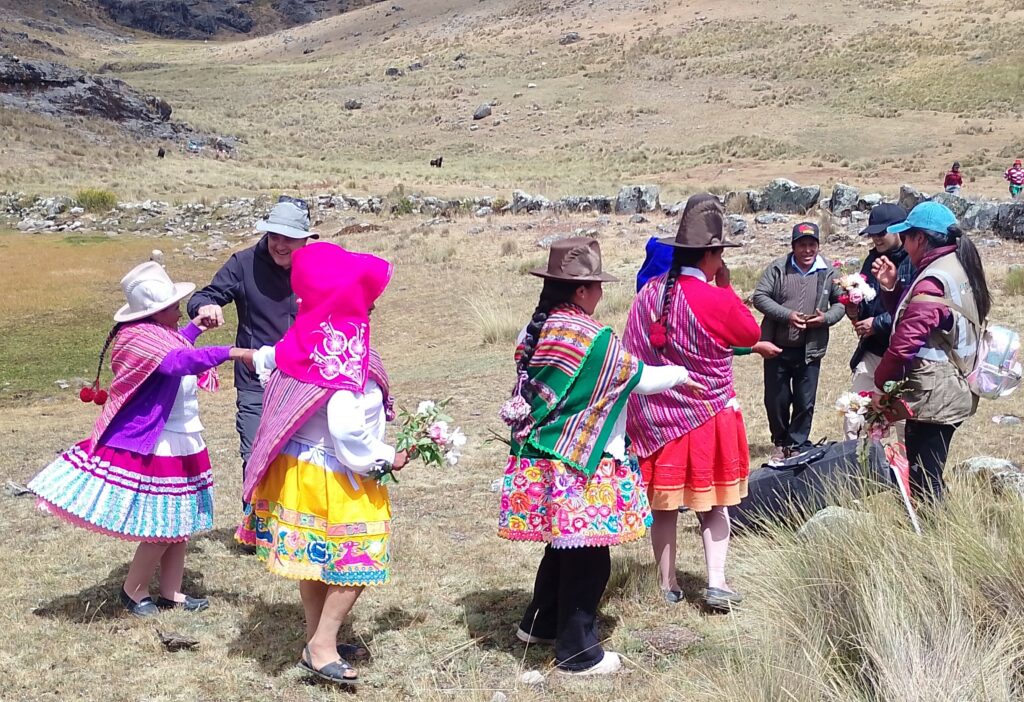
The project is being carried out in the Cordillera Negra in Ancash, Peru, with farming families whose livelihoods depend on high-Andean family farming and livestock rearing. This region faces constant water scarcity; as there is no snow on its highest mountains, it relies on lakes, ecosystems such as wetlands, Andean forests and grasslands, and water infrastructure to store water and recharge aquifers. Furthermore, in recent decades the impact of climate change has increased, manifesting itself in a higher incidence of pests and diseases in crops and livestock, a greater occurrence of extreme weather events such as frosts, hailstorms and changes in rainfall.
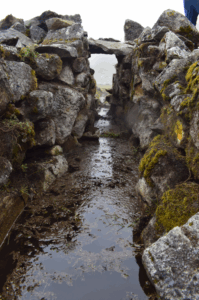
In this geographical context, and in response to past climate changes, pre-Hispanic inhabitants built hydraulic infrastructure to cope with the effects of water scarcity. Today, we can find water storage dams, silt dams to protect wetlands, infiltration channels (or ‘amunas’) and irrigation channels. Currently, most of this infrastructure lies in a state of neglect; some has been damaged by human activity and by climatic and geological events, whilst a small number remains in operation, continuing to benefit local communities.
The project is entitled “Ancient water systems for the adaptation and resilience of agroecological food systems in high Andean communities of the Cordillera Negra in the face of climate change”, and following consultation with the community and stakeholders, a more specific and straightforward name has been proposed that reflects the impact we aim to achieve; it has been agreed to call the project UNE YAKU: Ancestral Waters for the Future.
Financial partners


Location
Ancash Region.
Sustainable Development Goals (SDGs)

Expected impacts
Reviving and assessing knowledge of how traditional hydraulic systems operate, and identifying the social and technical factors necessary for their continued and sustainable operation.
Coordination between public, private and civil society stakeholders who work to promote initiatives aimed at strengthening water management in the Andean regions.
Strengthening the resilience of rural families in the Cordillera Negra and their food systems in the face of climate change.
Participants
Families from the rural community of Cajamarquilla, other communities in the Cordillera Negra mountain range, and the academic community at UNASAM.
Key areas and planned activities of the project
Axis 1. Archaeological, hydrological and social assessments of ancient water systems in the Cordillera Negra, and preliminary studies for the restoration of two pilot systems.
- Archaeological technical assessment of ancient hydraulic systems (dikes, amunas, dams, etc.) in the Cordillera Negra.
- Social assessment of communities.
- Water assessment – baseline study of the micro-catchments corresponding to the water systems to be restored.
Axis 2. Implementation of restoration works on two pre-Hispanic water systems in the Cordillera Negra mountain range, assessment of their impact, and integration into the community water management system.
- Restoration of two pre-Hispanic hydraulic systems.
- Assessment of the impact on water security, production and food security (post-rehabilitation).
- A social assessment of communities’ attitudes and adaptation processes regarding the restoration and rehabilitation of pre-Hispanic water systems
Axis 3. Multi-stakeholder consultation within academic circles and government agencies (local authorities, the regional government, the Sierra Azul Fund Implementation Unit of MIGRARI, and the National Water Authority) to scale up these initiatives at regional and national level.
- Production of documents and evidence for communities, government bodies and civil society organisations.
- National multi-stakeholder partnership – a community for mutual learning and discussion of policy proposals on water management, climate change resilience and the restoration of pre-Hispanic water systems.
Operational partners
Duration
2026–2028
Contact person: Christian Florencio – christian.florencio@ucoopia.org
Related news