Project to Support Resilient Agriculture and the Development of Sustainable Food Systems (PARSAD+)
Family farming is a major economic pillar in Benin, although it is characterized by low yields, declining soil fertility, and high vulnerability to climate change. Recent public policies in Benin aim to organize the sector around Agricultural Development Hubs (PDA). Each PDA is responsible for promoting specific agricultural sectors within its territory to improve food security for the local population.
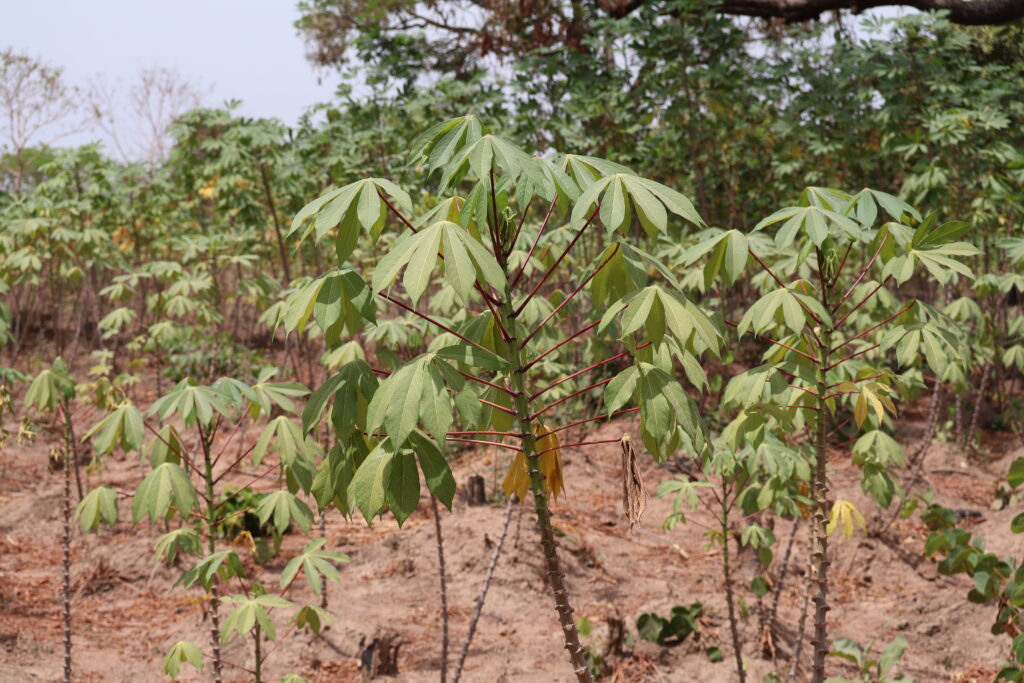
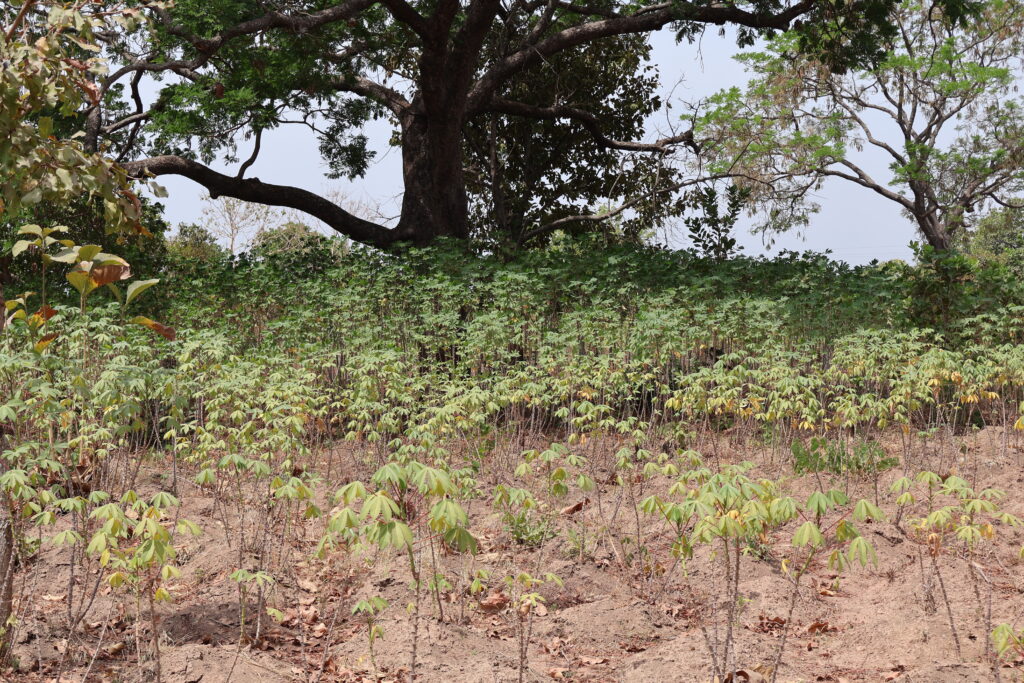
Within PDA 4 “Borgou Sud – Donga – Collines,” the value chains to be developed focus primarily on soybeans, cassava, and yams. These three crops, which are essential for food security and the local economy, face challenges such as diseases and pests, limited access to high-quality seeds and tools, and unsustainable extensive farming practices.
In light of these challenges, the key priority is to transition to production systems thatcombine agroecological practices with farmer-managed seed systems, in order to strengthen the resilience of family farms.
Objective
The main objective of this project is to support family farms (EFAs) and member organizations of the soybean, cassava, and yam value chains under the PDA4 initiative in an agroecological transition process, while promoting food systems that are more sustainable and resilient to climate change.
What We Do
The PARSAD+ project focuses on three key outcomes:
- Supporting family farms and member organizations in the soybean, cassava, and yam sectors through an agroecological transition process
- To achieve this goal, the project aims to establish a structured agricultural advisory system that combines training, awareness-raising, and technical support for farmers and producer organizations. It will rely on participatory approaches, such as the Champs Écoles Paysans, to promote hands-on learning, the dissemination of knowledge, and the scaling up of agroecological practices.
- Capacity building for the National Union of Soybean Producers' Cooperatives of Benin (UNCPS) to enable it to provide agroecological services to its members
- To this end, the project aims to support the creation of small-scale biofertilizer production units on family farms. It will also assist soybean processing units—particularly those run by women—in reducing their environmental impact through analytical tools and eco-responsible commitments. Finally, it will support innovation through action research on biofertilizers (mycorrhizal fungi) to sustainably improve soil fertility and the resilience of agricultural systems.
- Sustainable access for members of National Associations of Cassava and Yams Producers to high-quality agroecological inputs
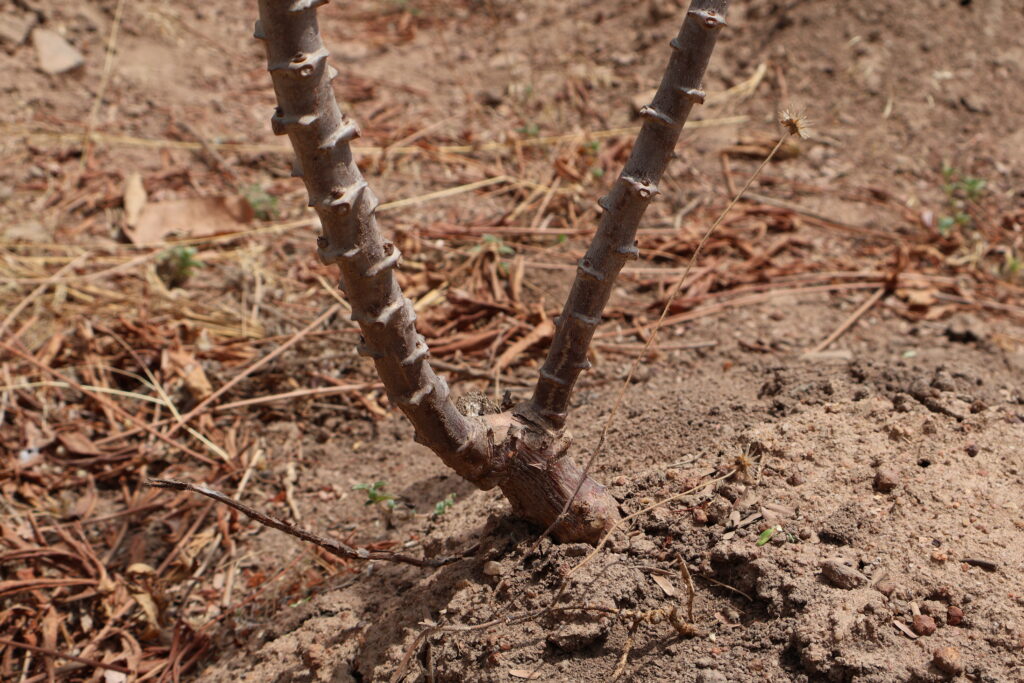
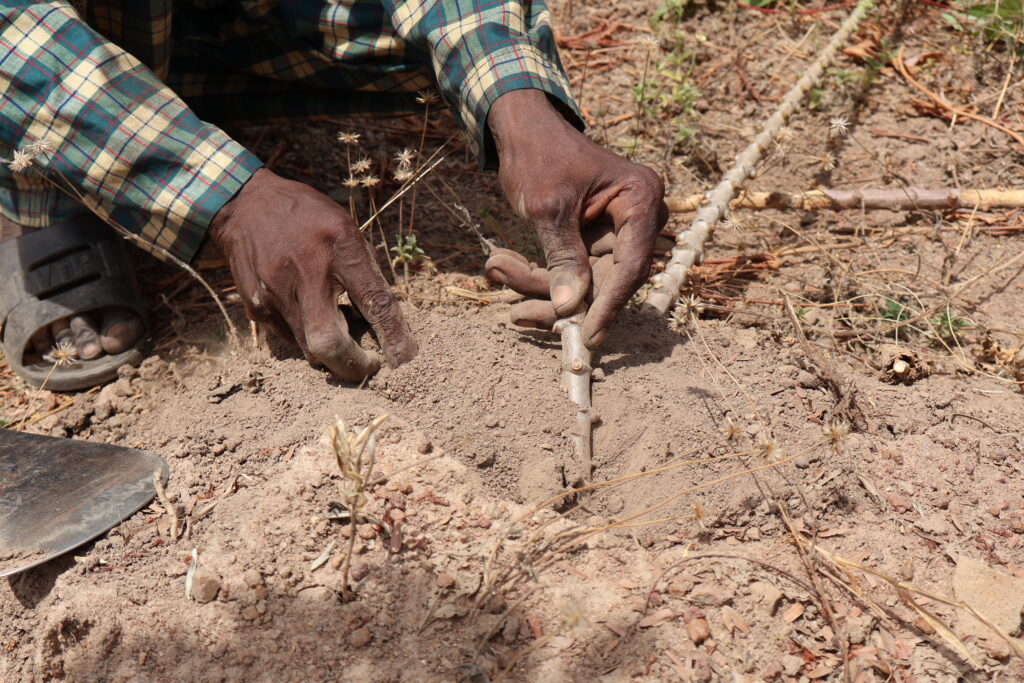
- To achieve this, the project will organize the local production of improved yam seedlings and cassava cuttings through networks of trained and supported young farmers. It will also support the production, distribution, and collective marketing of organic fertilizers (compost, bokashi, etc.) to reduce dependence on chemical inputs and improve soil fertility. Finally, it will strengthen links between producers, cooperatives, and markets to ensure a sustainable and accessible supply.
TARGET AUDIENCE
- 11,098 Family Farms, of which:
- 4,600 cassava
- 1120 Yams
- 5,378 soybeans
- An audience comprising 40% women and 30% young people
Summary
- Duration: April 2025 – July 2027
- Financial partner: Enabel
- Operational partners:
- Federation of Producers' Unions of Benin (FUPRO)
- National Union of Soybean Producers' Cooperatives (UNCPS)
- National Association of Cassava Producers (ANaPMa)
- National Association of Yam Producers (ANaPI)
- Project location: Benin, in the departments of Borgou (municipalities of Ndali, Nikki Pèrèrè, and Tchaourou), Donga (municipalities of Copargo, Djougou, Bassila, and Ouaké), Collines (municipalities of Dassa-Zoumé, Savalou, Ouessè, Glazoué, and Banté), and Zou (municipality of Djidja)
Sustainable Development Goals (SDGs)
Contacts
Related news
Aucun article trouvé.