 Projet clôturé
UpScale
Cambodia
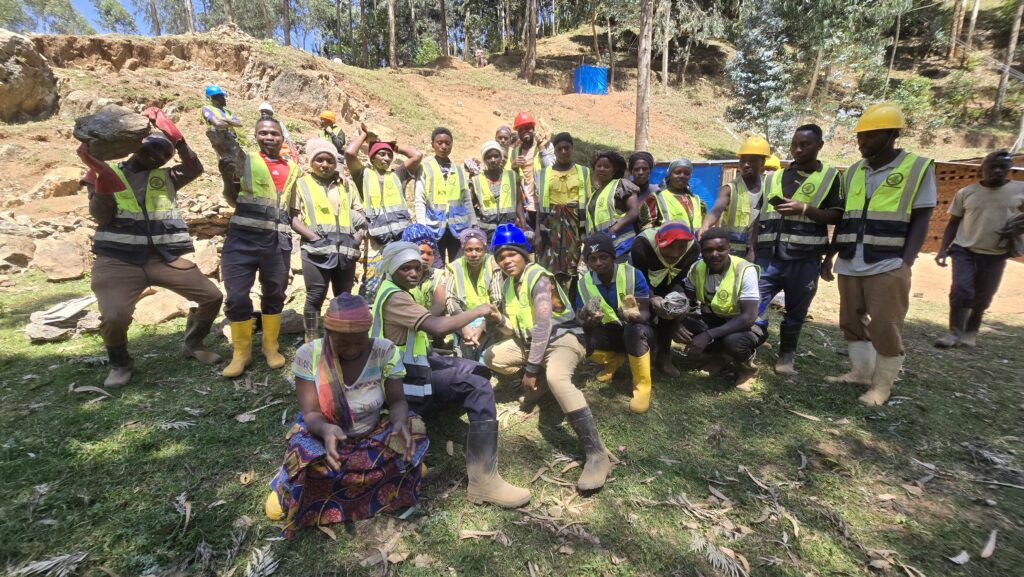
In Masereka, in North Kivu province in the DRC, gender equality is not just a concept: it is being put into practice on the ground! For the past few months, women have been actively involved in the construction and refurbishment of a small hydroelectric power station designed to supply the area’s main referral hospital. The work is being carried out by a Congolese company as part of the Infra+ project, funded by the European Union.
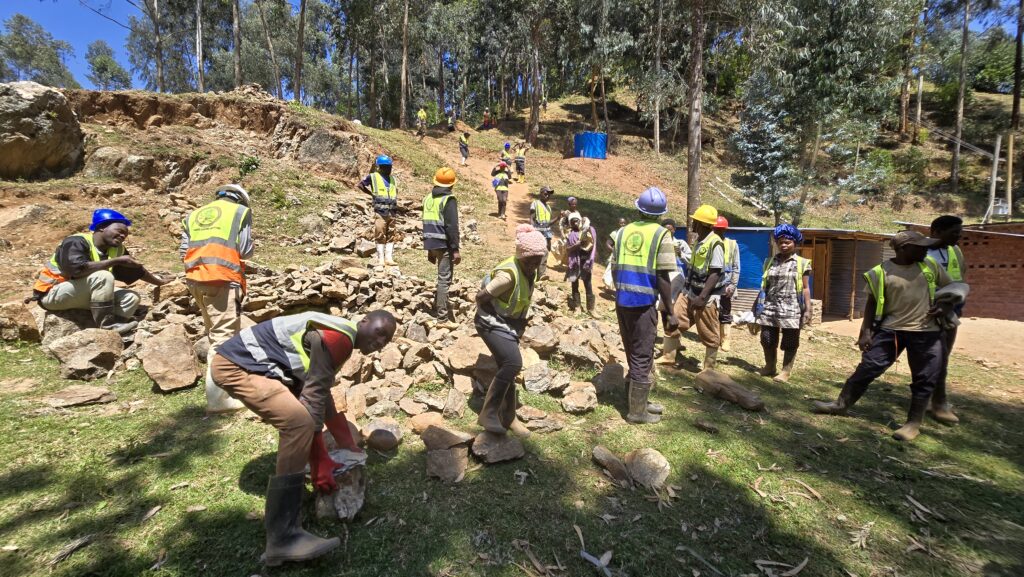
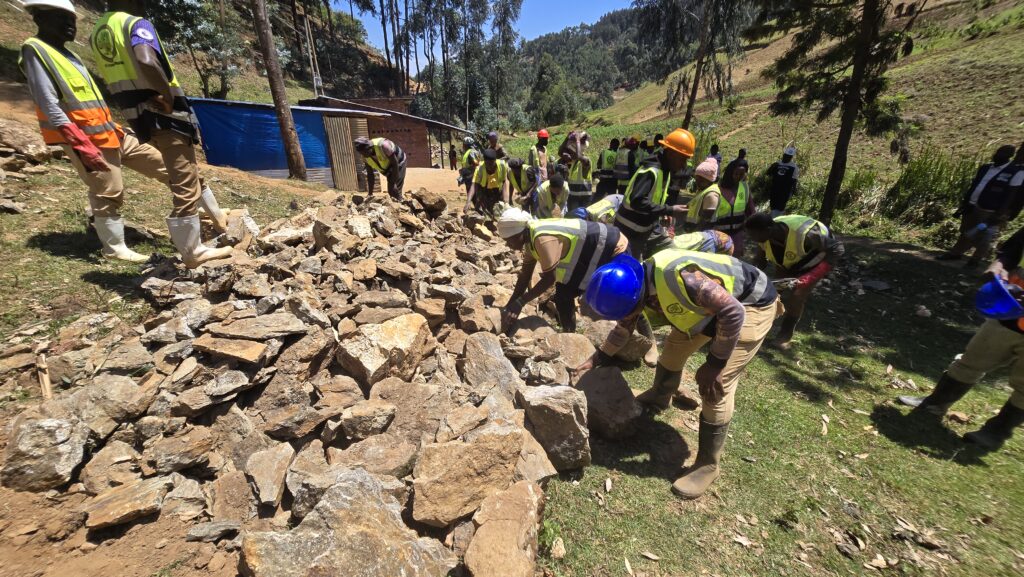
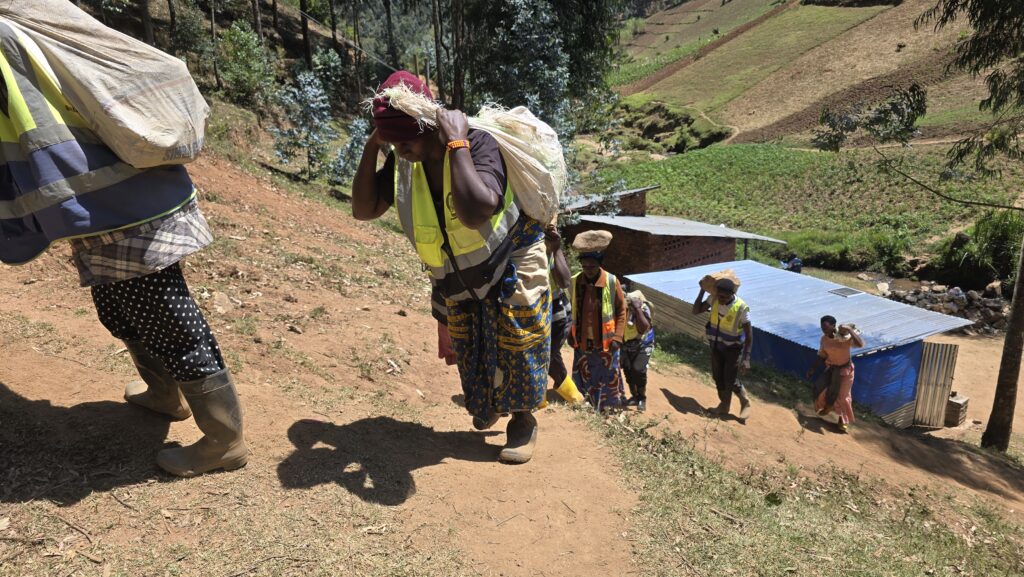
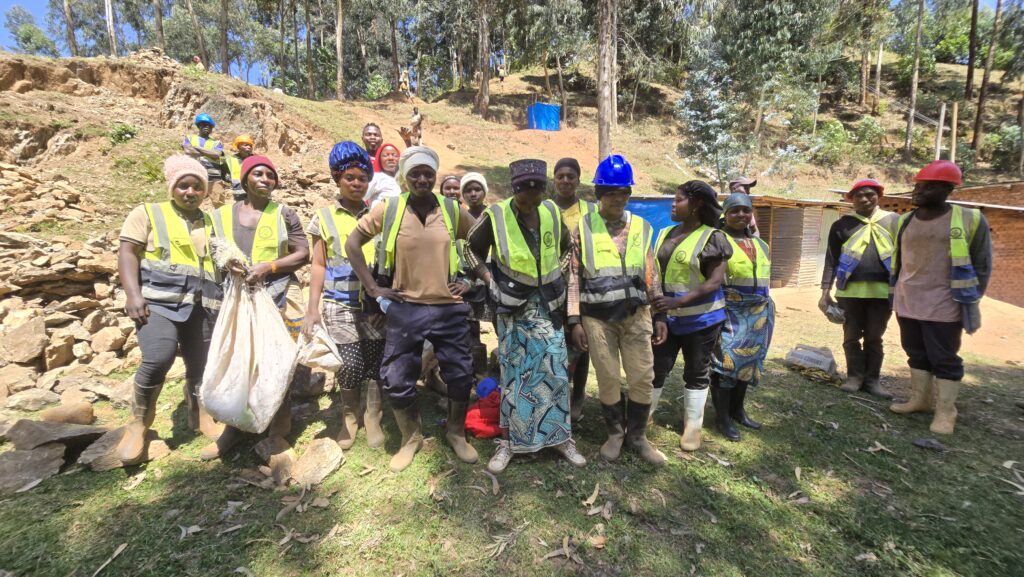
In Masereka, at the mini-hydroelectric power station construction site, half of the workers are women. During the recruitment process, particular attention was paid to ensuring women’s participation. According to Pascal Kambale, the engineer in charge of construction, the women quickly demonstrated their ability to carry out the various tasks entrusted to them: “We recruited 50 per cent women and 50 per cent men, and today we are not disappointed. Women sometimes even work harder than men. Where a man might carry 10 kg, a woman can easily carry 20 kg on her back.”
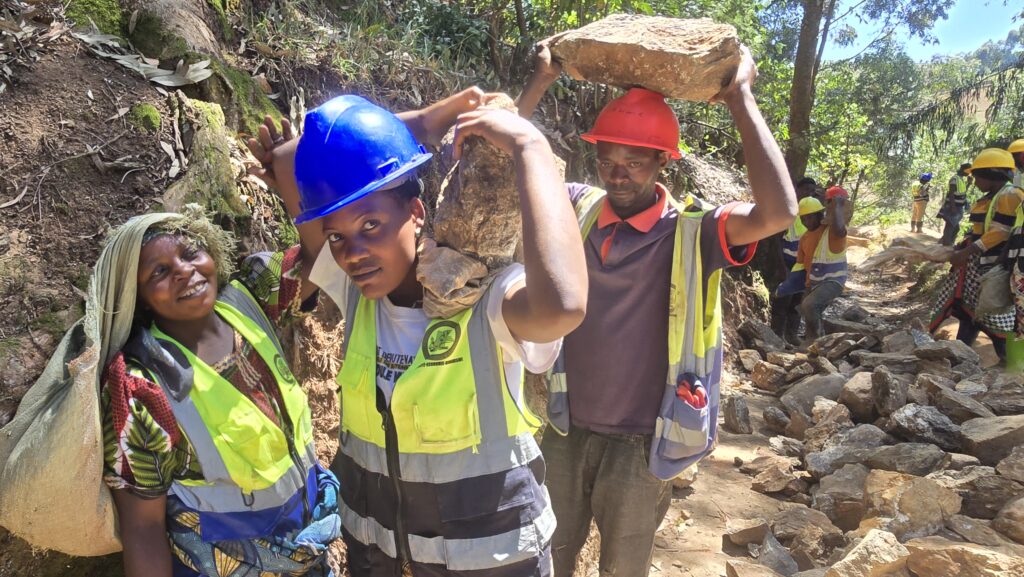
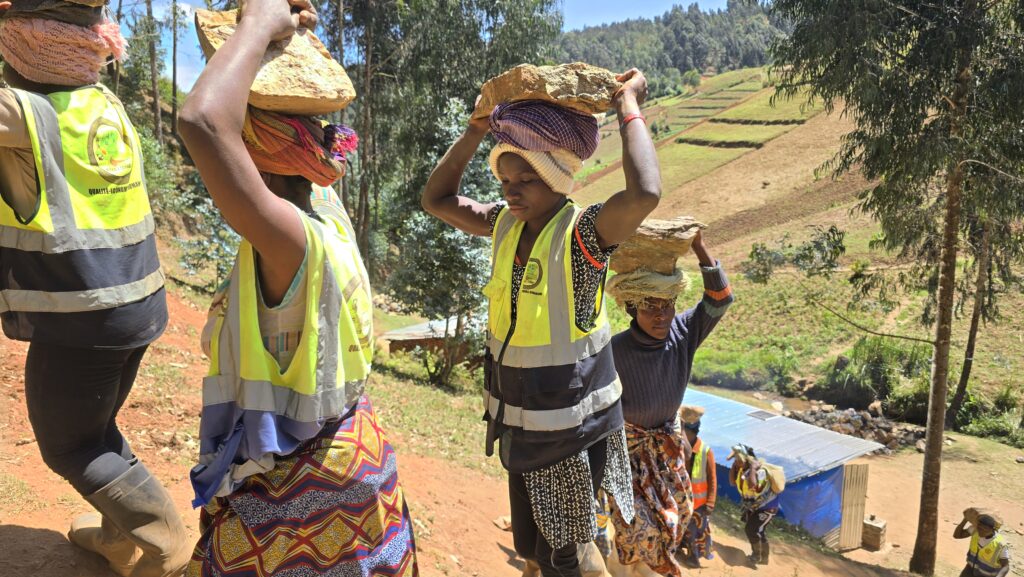
They are also involved in transporting the cement, materials and equipment needed to build the power station. Through their presence and their day-to-day work, they challenge the notion that certain trades or tasks are exclusively reserved for men.
For them, it is not a question of competing with men, but of being recognised as capable, responsible workers who are valuable to their community. “We’ve been working on this site since the start and we’re proud of what we do. Just like the men, we’re capable and we prove it every day,” says Ms Kalondero, one of the female workers we met on site.
The presence of women on the building site is also welcomed by the men. Tasks are allocated solely on the basis of the site’s needs, regardless of gender. “The women surprise us with their courage and their ability to carry out the same work as us. They’re really committed,” remarks Jean-Marie Muhindo, a worker on the site.
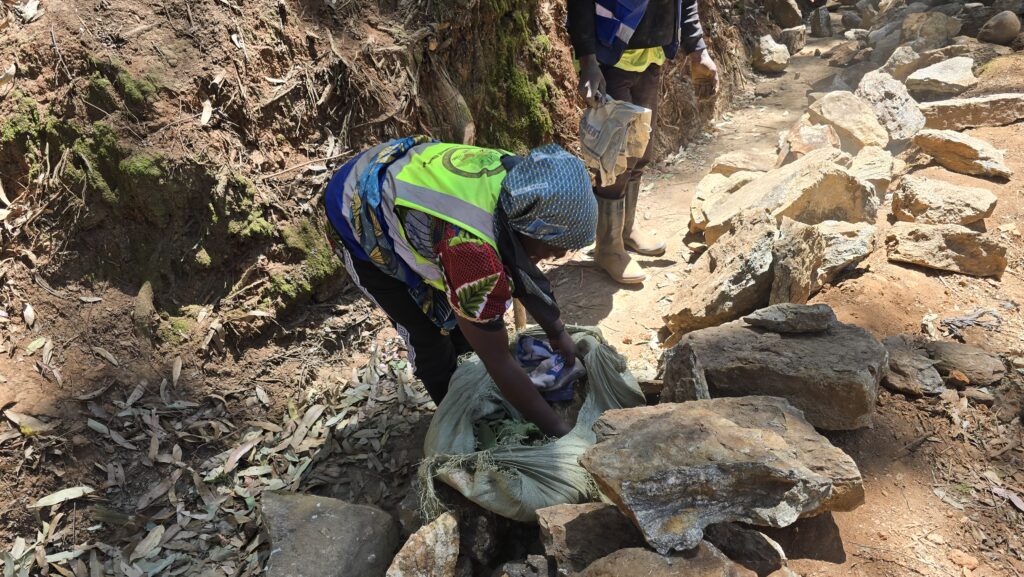
Beyond the construction work itself, the Masereka site is also helping to change habits and perceptions within the community. By seeing women carrying rubble, cement and other building materials alongside men, local residents are discovering every day that professional capabilities do not depend on whether one is a woman or a man.
This involvement also offers women the opportunity to earn an income through their work, to broaden their professional experience and to gradually build their confidence in their skills and abilities.
The future small-scale hydroelectric power station, for its part, will be of particular importance to the Masereka Health Zone’s General Referral Hospital. The availability of a reliable and sustainable source of electricity will help to improve the hospital’s operating conditions, strengthen the continuity of essential services and, consequently, provide better quality care to the local population.
As the power station takes shape, attitudes are changing. The message is simple: when women and men are given the same opportunities, everyone can put their skills to good use and help build a better future.
 Projet clôturé
Cambodia
Democratic Republic of the Congo
Senegal
Peru
Senegal
Benin | Democratic Republic of the Congo | Senegal
Benin
Benin
Benin
Benin
 Projet clôturé
Cambodia
Burkina Faso
Belgium
 Projet clôturé
Cambodia
Guinea
Guinea
Benin
Benin
Benin | Burkina Faso
Benin
Benin
Benin
Benin
Benin
Benin
Democratic Republic of the Congo
Belgium | Democratic Republic of the Congo
Senegal
Senegal
Democratic Republic of the Congo
Democratic Republic of the Congo
Democratic Republic of the Congo
Democratic Republic of the Congo
Senegal
Democratic Republic of the Congo
 Projet clôturé
Burkina Faso
Democratic Republic of the Congo
Guinea
Democratic Republic of the Congo
Benin | Democratic Republic of the Congo | Guinea | Senegal

Belgium
Democratic Republic of the Congo

Belgium

Cambodia
Senegal
Senegal
Senegal
Senegal
Senegal
Senegal
Senegal
Senegal
Senegal
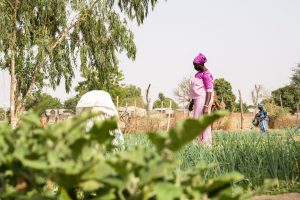
Senegal
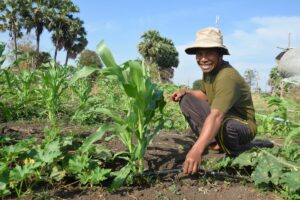
Cambodia
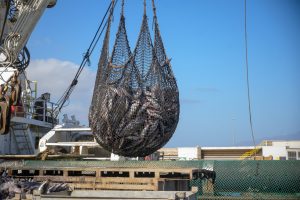
Benin | Burkina Faso | Guinea | Senegal
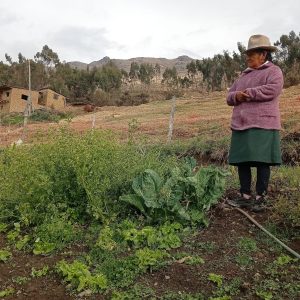
Peru
Bolivia
 Projet clôturé
Peru