COP31: Ucoopia – The Gulf of Benin Deltas Collective at the World Climate Conference
In Antalya, Turkey, Ucoopia, the universities’ NGO, highlighted the role of coastal communities in the Gulf of Benin in the face of climate change. As coordinator of the Gulf of Benin Deltas Collective, it delivered a clear message to governments and funding partners: coastal community networks must be recognised as full partners in climate action.
COP31, the forum where global climate action is decided
Every year, the Conference of the Parties (COP) brings together the 198 Parties to the United Nations Framework Convention on Climate Change. It is the Convention’s supreme decision-making body and adopts, by consensus, the decisions that guide global climate action. It was at the COP that the Paris Agreement was adopted in 2015. It is also where States report on their nationally determined contributions (NDCs) and their national adaptation plans (NAPs), and where they negotiate the rules on climate finance. The decisions taken at the COP therefore determine, for the coming years, the priorities of governments and the direction of funding.
From 9 to 20 November 2026, COP31 was held in Antalya. Its main focus was on moving from commitments to their implementation, particularly in the area of adaptation.
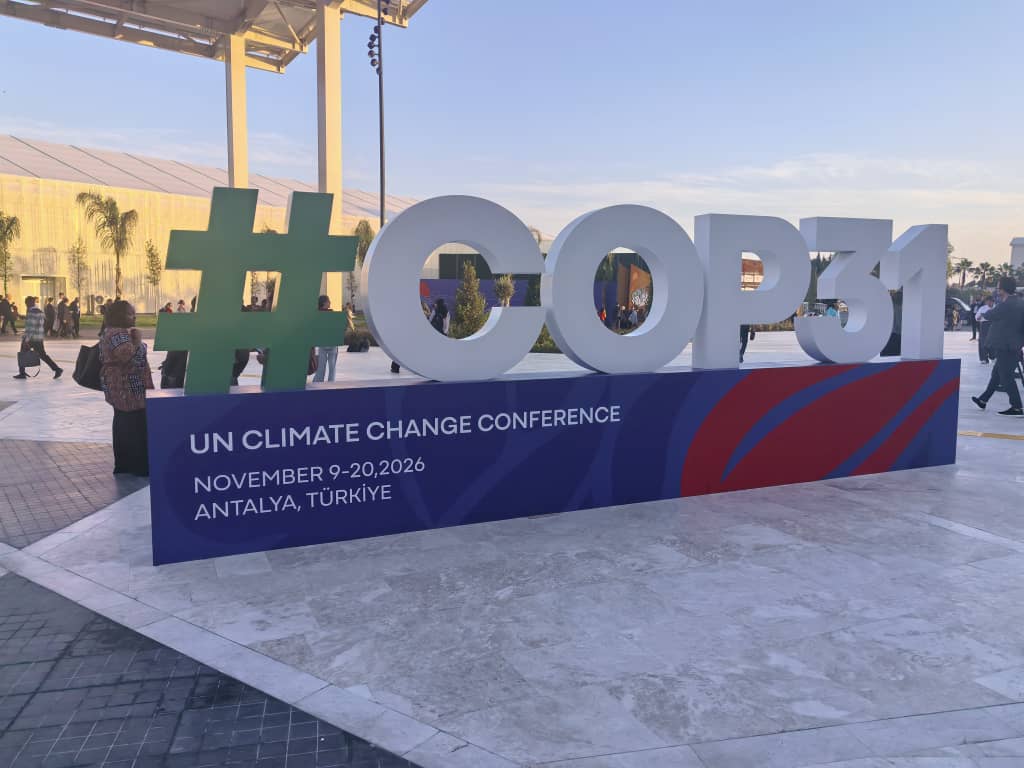
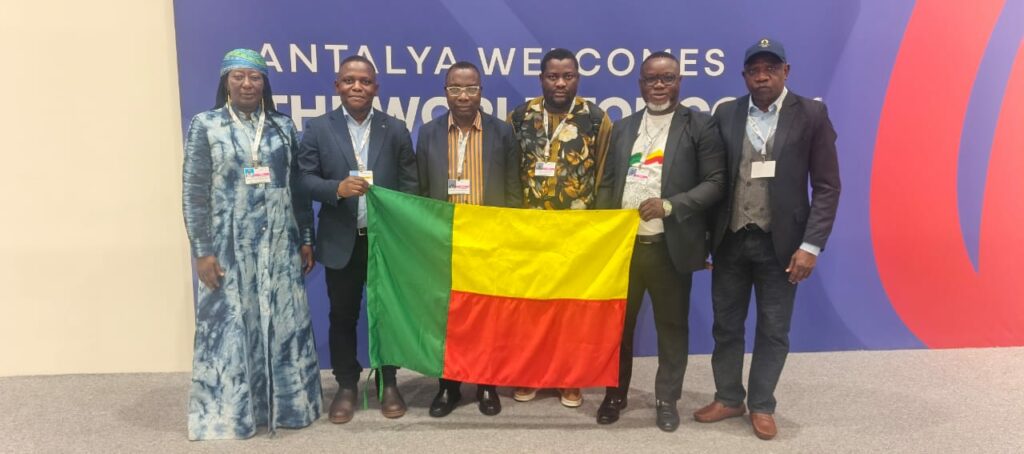
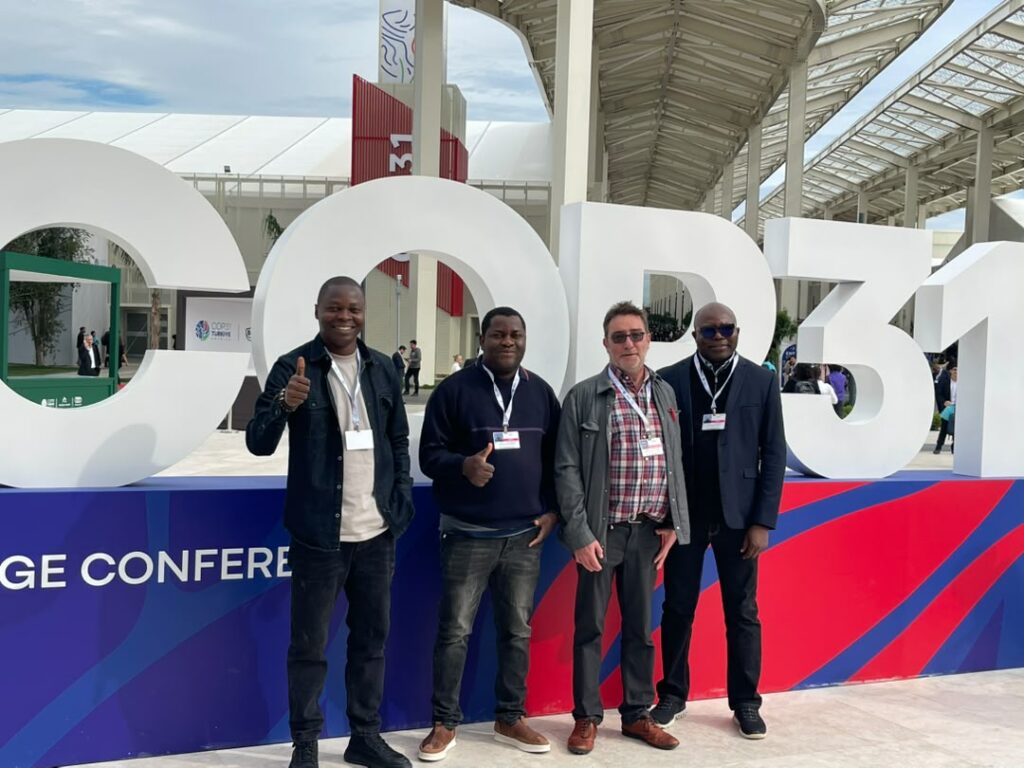
The coastline of the Gulf of Benin: on the front line in the fight against climate change
The coastline of the Gulf of Benin is one of the areas in Africa most vulnerable to the effects of climate change. Rising sea levels, more intense swells and storms, and extreme rainfall are accelerating coastal erosion and leading to more frequent flooding. Warming waters are also disrupting the fish stocks on which thousands of families depend.
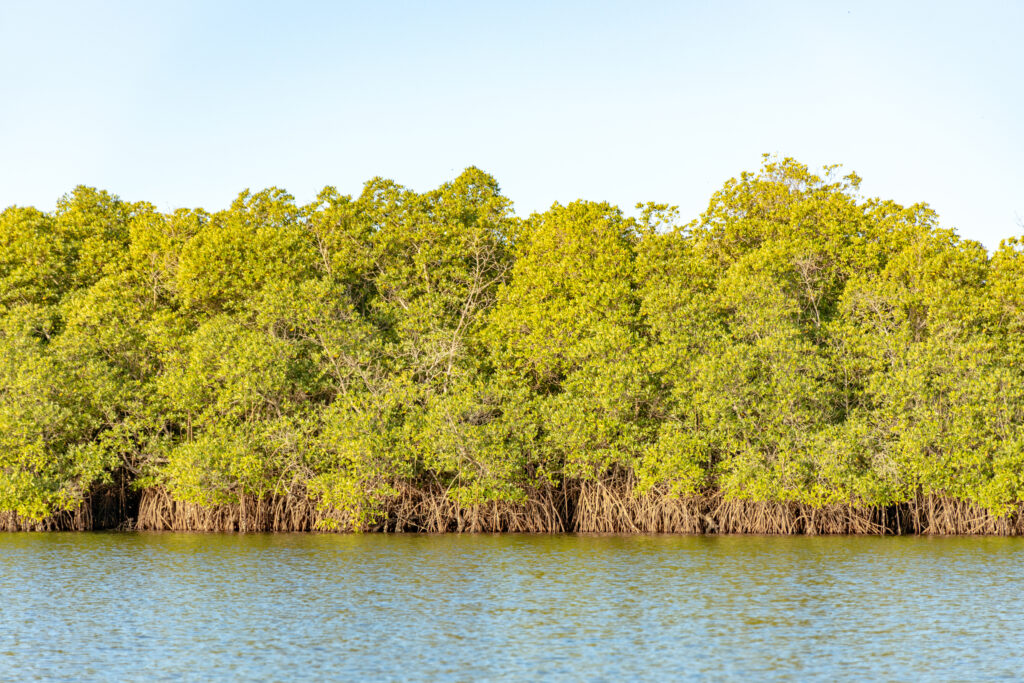
In this context, mangroves play a vital dual role. They naturally protect coastlines from the sea and store significant amounts of carbon. Yet the local organisations that work to protect them on a day-to-day basis are still largely overlooked in national climate policies and international funding mechanisms.
A contribution that forms part of a regional initiative
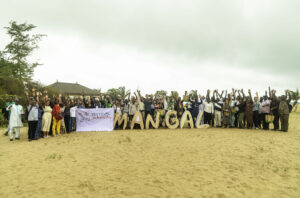
It is to reduce this gap that Ucoopia has made a commitment at COP31. The university-based NGO supports and coordinates the Gulf of Benin Deltas Collective. Established in 2018 in Lomé, this Collective brings together 13 organisations from Nigeria, Benin, Togo, Ghana and Côte d’Ivoire, all committed to the conservation of more than 250,000 hectares of mangroves.
Ucoopia’s participation in COP31, on behalf of the Collective, forms part of the initiative to strengthen the Collective’s ocean and climate advocacy work, supported by the King Baudouin Foundation. This project aims to amplify the voice of coastal civil society at major international events. It also contributes to the West Africa Sustainable Ocean Programme, funded by the European Union, which supports regional partnership initiatives for marine conservation in West Africa.
A side event to link action on the ground with governments’ climate commitments
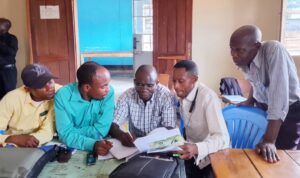
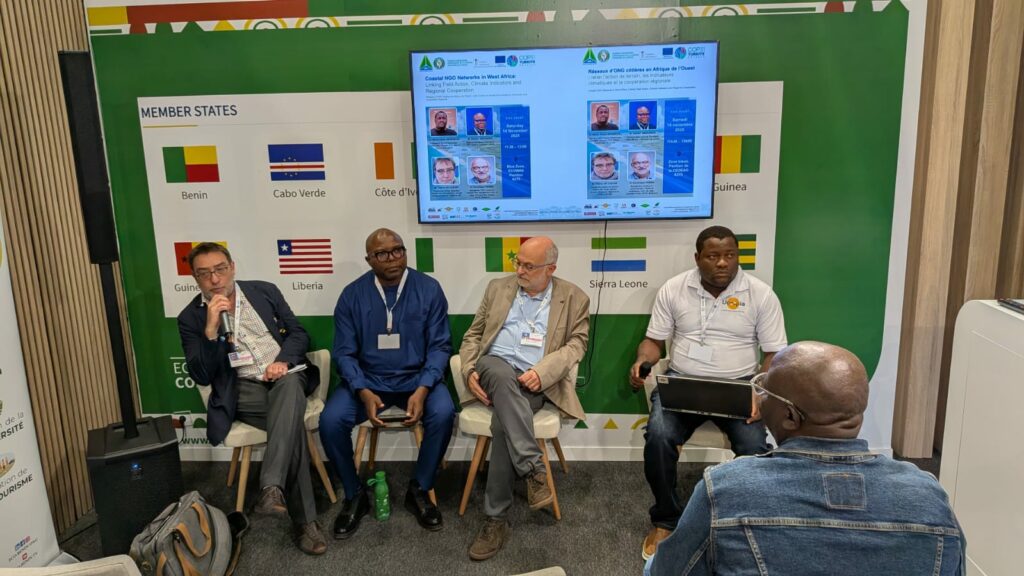
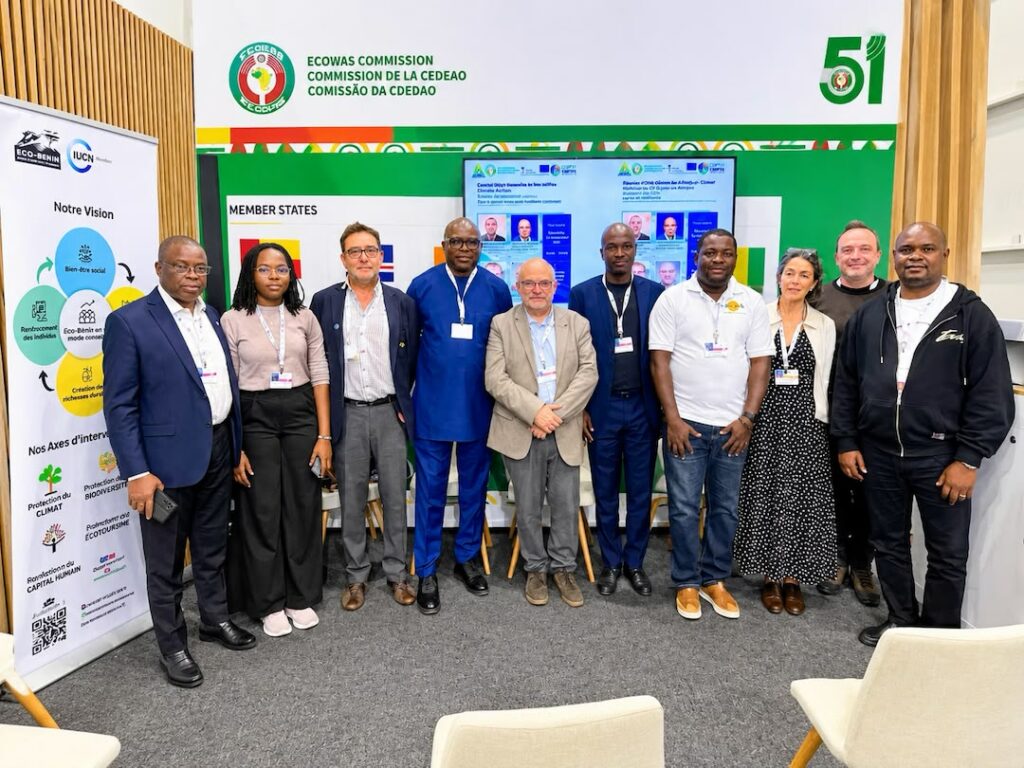
On Saturday 14 November, the Gulf of Benin Deltas Collective, coordinated by Ucoopia and Eco-Benin, organised a side event at the ECOWAS pavilion. The event focused on the theme ‘Coastal NGO networks in West Africa: linking grassroots action, climate indicators and regional cooperation’. Around thirty participants attended. Among them were Benin’s Director-General for the Environment and Climate, representatives from ECOWAS and Benin’s Economic and Social Council, a representative of Cotonou’s local councillors, civil society organisations from Benin, Senegal and Nigeria, as well as European academics.
Ucoopia played a central role in this meeting. Abiola David Akodékou, project manager at Ucoopia and responsible for coordinating the Collective, presented the network and chaired the discussions: “This meeting enabled us to demonstrate how mangrove conservation, participatory ecological monitoring and blue carbon assessment generate data that is directly useful to NDCs and NAPs.” Thierry De Coster, a representative of Ucoopia, highlighted the impacts of climate change on coastal communities. He called for greater consideration of loss and damage in public policy.
Colleagues from Ucoopia shared the panel with Gautier Amoussou, national coordinator of Eco-Benin and the Collectif’s French-speaking facilitator. He emphasised the complexity of blue carbon certification mechanisms and the need for support from governments. Dr Dominique Perrin, from the University of Liège and the Walloon Air and Climate Agency, highlighted the role of multi-stakeholder networks in sharing experiences and pooling resources.
Four recommendations for better integrating coastal areas into climate policies
The discussions resulted in the Antalya Appeal for the deltas of the Gulf of Benin. It sets out four recommendations:
- Recognise mangroves and coastal ecosystems as nature-based solutions in the NDCs and NAPs of the five countries;
- Involve voluntary organisations in the development of CDNs, PNAs and climate plans;
- Strengthen regular dialogue between state institutions, regional bodies and civil society networks;
- Simplify the procedures for networks of organisations to access adaptation funds.
Ucoopia at COP31: a space for meetings and discussions
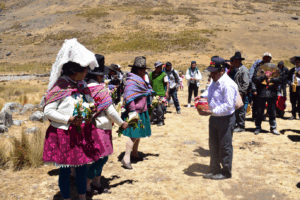
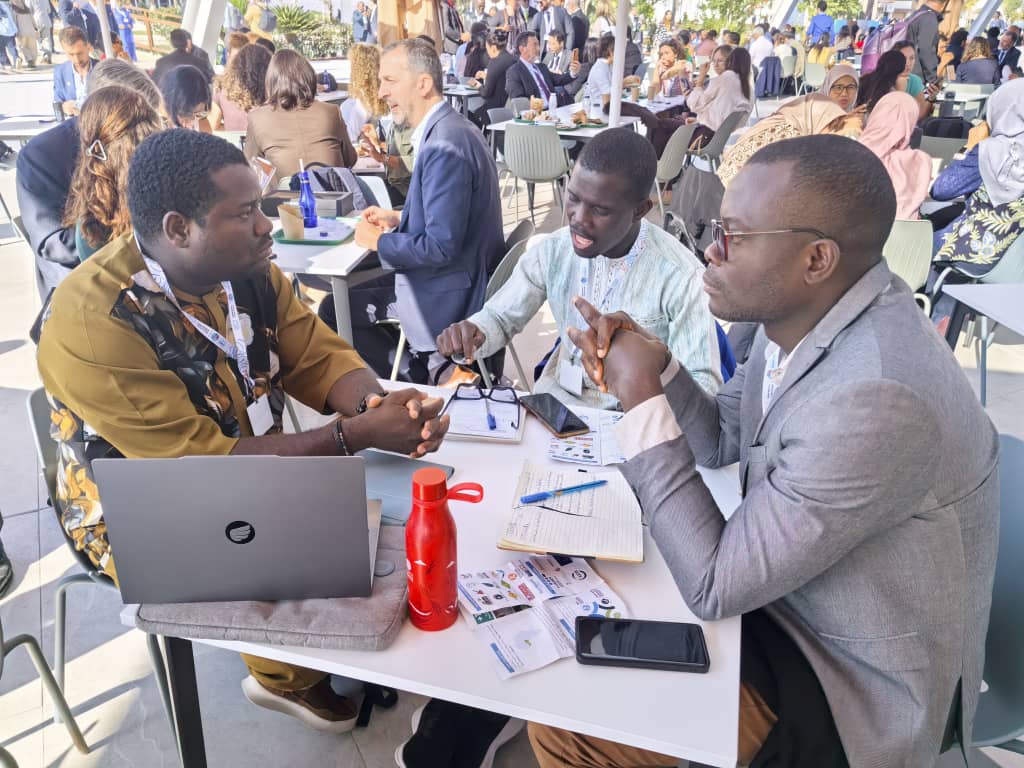
In addition to this side event, the Ucoopia delegation attended several meetings relating to its climate priorities. These focused on loss and damage in the Saloum Delta, financing for early action in Africa, climate solutions led by indigenous peoples, and the integration of the ocean into the NDCs. The delegation also took part in the Benin delegation’s debriefing on the state of the negotiations, with a view to bringing coastal civil society closer to the negotiators.
Ucoopia combines academic knowledge and practical expertise to help coastal regions adapt
Through this involvement, Ucoopia reaffirms its commitment to fostering dialogue between academic research and local communities and regions.
“We work with the organisations in the Collective, building on what they are already doing on the ground: researchers contribute methodologies, communities contribute their knowledge of the local area, and it is from this synergy that data useful for climate policy emerges,” explains Abiola David Akodékou.
This commitment is being pursued on three fronts. Working alongside the Collective, Ucoopia is firstly supporting the recognition of mangroves conserved by local communities as ‘other effective area-based conservation measures (AMCEZ)’, in partnership with Eco-Benin and the King Baudouin Foundation. Secondly, as part of the WASOP programme, it brings together researchers and grassroots organisations from the Collectif. Finally, it is strengthening its ties with the Collectif 5 Deltas – a collective comprising organisations from Senegal to Guinea – to extend this initiative to the regional level.
What next?
Following COP31, the priority will be to consolidate the achievements of the COP and look ahead to the next major event, IMPAC6, the International Congress on Marine Protected Areas, which will be held in Senegal in 2027.