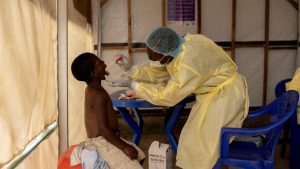
Strengthening the Health System's Response and Resilience to the Mpox Epidemic in the DRC
Democratic Republic of the Congo
In the face of a growing number of health, environmental and zoonotic risks, preparedness is one of the most effective ways of protecting the population. In Lomami Province, in the Democratic Republic of the Congo, stakeholders in the Kabinda, Ngandajika, Makota and Tshofa health zones have taken a significant step forward by drawing up their multi-risk and multi-sectoral contingency plans in line with the One Health approach.
This initiative forms part of the MAV+ In Africa (Part III) project, funded by the European Union, which aims to strengthen the resilience of health systems and the capacity to respond to epidemics and other public health emergencies in the Democratic Republic of the Congo.
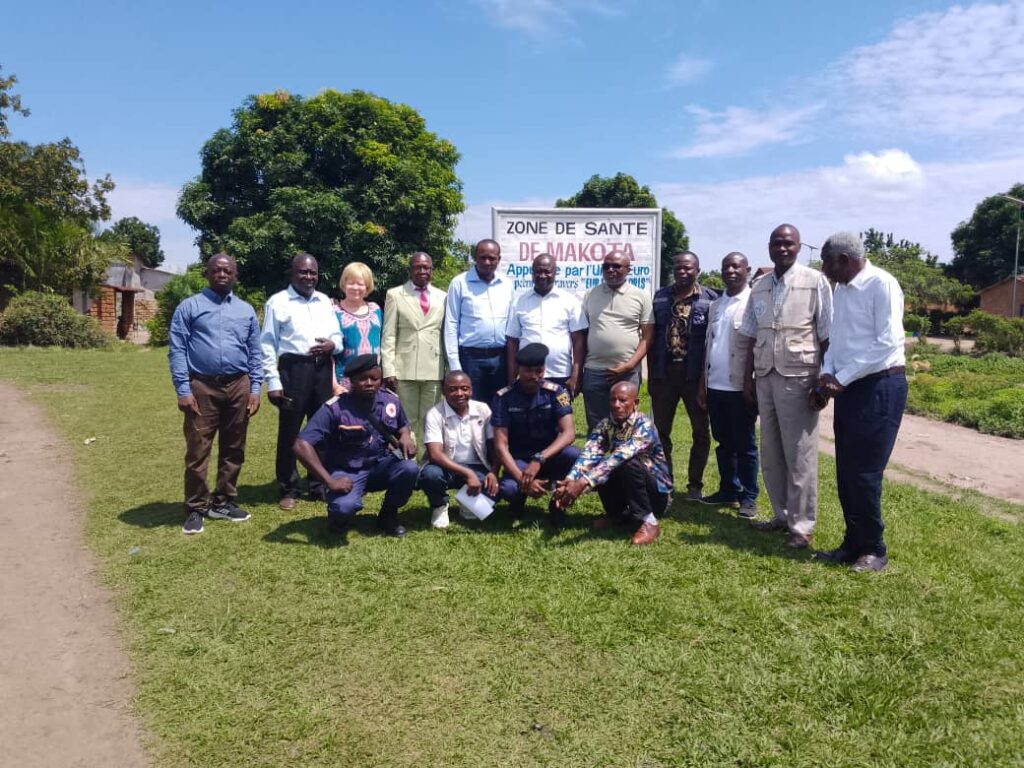
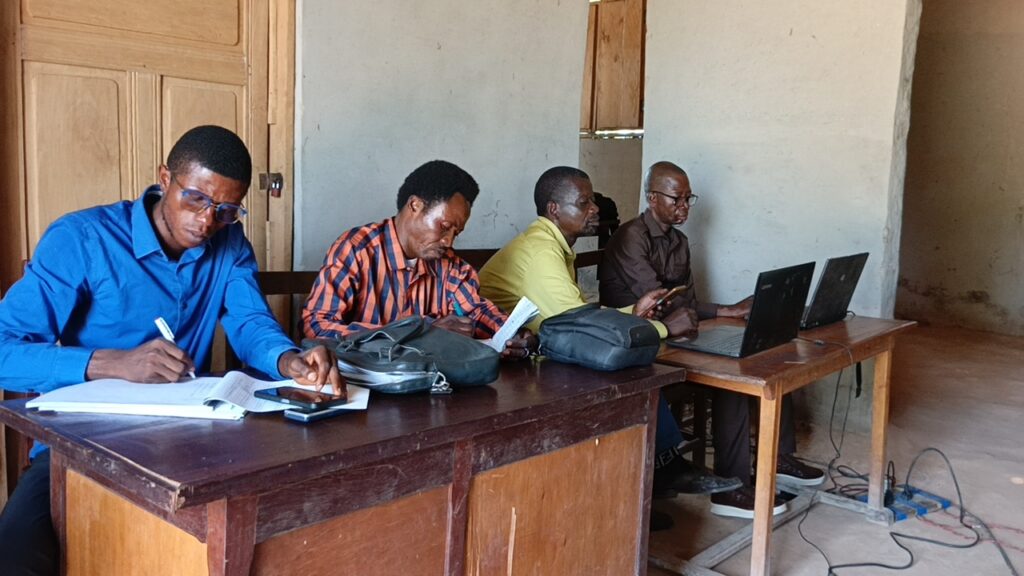
Between September and October 2026, technical support was organised for these four health zones. The aim was to enable health authorities and representatives from the environmental and animal health sectors to work together to identify the priority risks to which their communities are exposed and to define preparedness mechanisms tailored to their specific context.
The meeting was held in line with the ‘One Health’ approach: human health cannot be separated from animal and environmental health. Emerging diseases, epidemics, natural disasters and certain environmental practices require a coordinated response across multiple sectors.
The workshops thus brought together stakeholders from the human health, animal health, agriculture and environment sectors. Together, they analysed the main threats likely to affect their regions, assessed the vulnerabilities of local populations and identified existing capacities to address these threats.
Through a participatory process based on risk analysis, the participants developed strategies for prevention, early warning, response and recovery tailored to the specific challenges of each health zone.
This collaborative approach promotes better coordination between local institutions and enables faster, more coherent and more effective responses in the event of a crisis.
In addition to drawing up contingency plans, participants received practical support on the use of multisectoral surveillance tools. Harmonised mechanisms for reporting and investigating alerts have been made available to the various sectors to facilitate information sharing and the early detection of risks.
The process also made it possible to draw up a map of the partners operating in each health zone and to identify the resources that could be mobilised in the event of an emergency.
By strengthening local capacity for analysis, coordination and planning, these tools help to reduce response times to health emergencies that may affect communities.
One of the key achievements of this initiative was the establishment of multi-sectoral coordination committees in each of the four health zones receiving support.
These platforms bring together stakeholders from different sectors to strengthen dialogue, information-sharing and collaborative decision-making. They provide an essential framework for anticipating health threats, coordinating responses and promoting an integrated approach to health at local level.
The commitment shown by political and administrative authorities and technical departments reflects the growing interest in a more inclusive and responsive approach to health governance.
The contingency plans that have been drawn up now serve as a roadmap for strengthening health zones’ preparedness to deal with the priority risks identified. Implementing them will require the work already undertaken to continue, in particular through the regular operation of multisectoral committees, the strengthening of surveillance mechanisms and the mobilisation of the necessary resources.