Kasofor: Resilience of island communities in Casamance in the face of climate change
Senegal
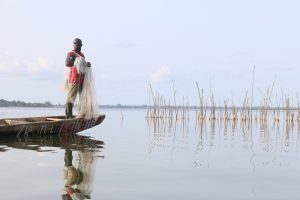
In Senegal, fish smoking enables many women in the island regions of Casamance to process fish and improve their standard of living. However, traditional drying methods (often involving an open fire) cause significant pollution. The fumes make this activity harmful both to the environment and to the health of those who carry it out.
The project to build an improved smokehouse marks a turning point in the transformation of fish-smoking practices and in the conservation of ecosystems. It works in synergy with the MIPRO and KASOFOR projects to achieve a sustainable and integrated impact.
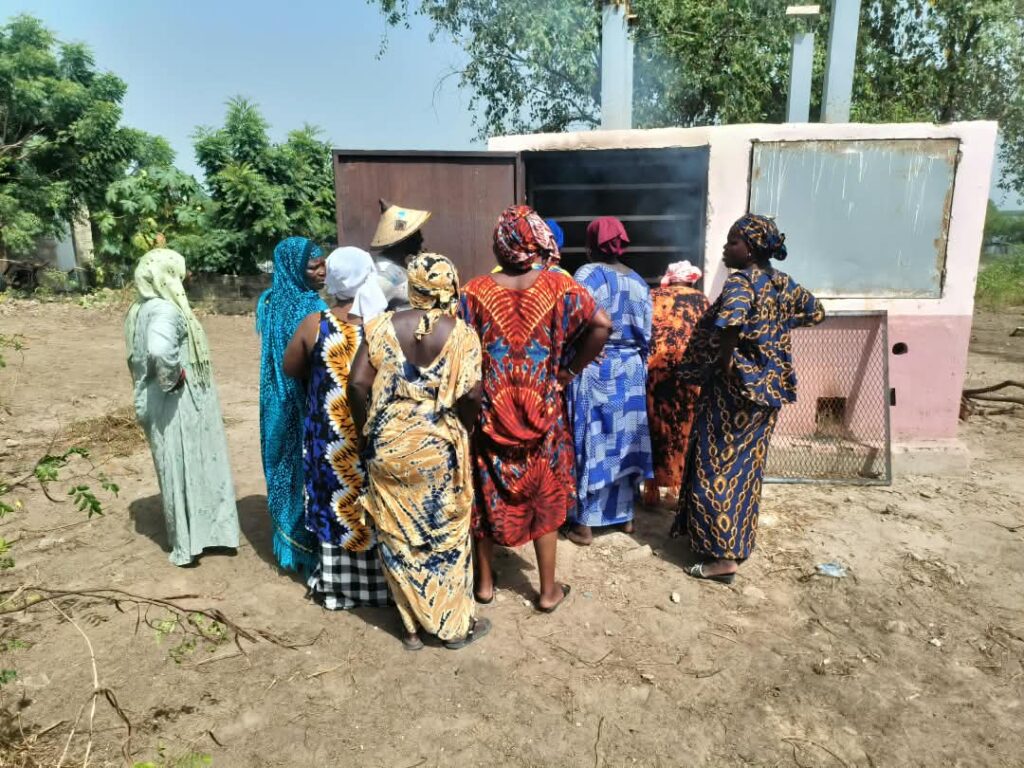
The first Nopalé ENDEV oven, installed in Nghadior, was commissioned on 10 October 2026. It stands out for its ease of use, its energy efficiency and its positive impact on the health and wellbeing of fish processors, both in Casamance and in Sine Saloum.
Following the demonstrations on 10 October, the Ucoopia teams travelled to the area for a visit aimed at exchanging and sharing experiences between the women processors from Nghadior and Faoye. Six women from the Jam Bougoum Economic Interest Group (GIE) in Faoye travelled to Nghadior to work, exchange ideas and share experiences with the women of the Inokh Djal GIE in Nghadior.
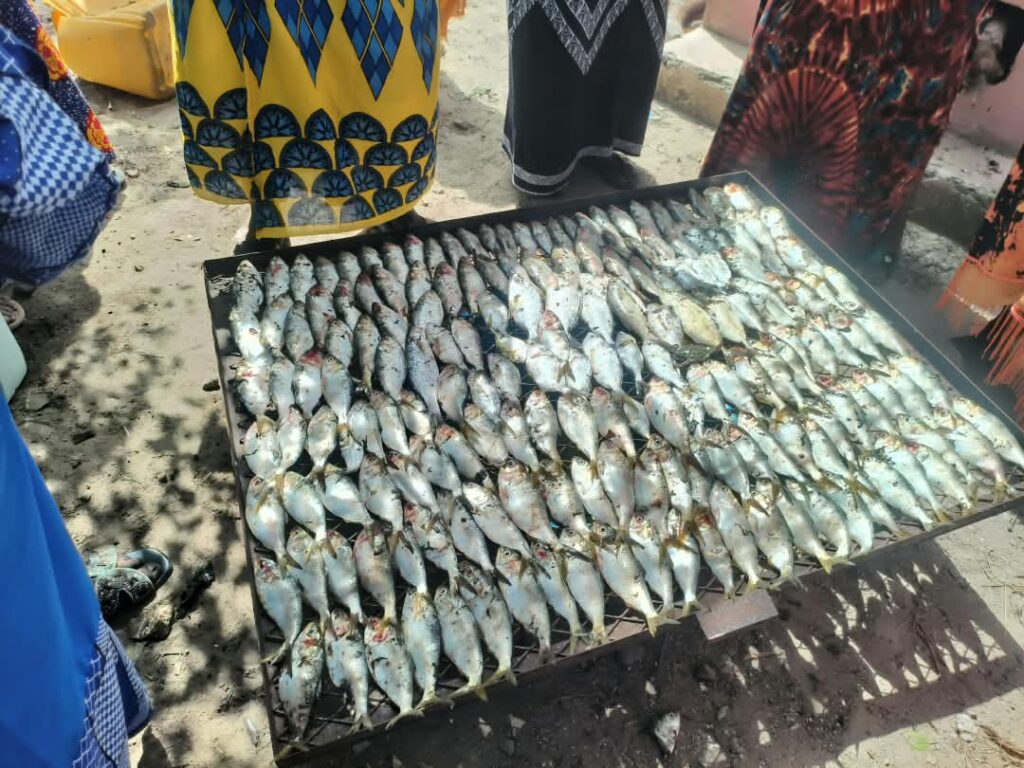
The training sessions took the form of a FFS (Farmer Field School), where the women tried out the improved oven. A total of 80kg of fish was smoked. The women from Faoye and Nghadior said they were very satisfied with the meeting and the exchanges between the villages on fish-smoking techniques.
This project was implemented by Ucoopia, with the support of GIZ Senegal, The Gambia, Guinea & Cabo Verde. Designed for local communities, particularly women who are very active in mangrove areas, the project offers cleaner, more efficient and economically sustainable smoking solutions.