 Projet clôturé
Louise Laroye
As part of my master’s degree in population and development sciences, I am doing an internship with the Am Be Koun – Solidarité association in Tambacounda, Senegal. My presence there also allows me to collect the data I need for my thesis on the management of water distribution systems in rural areas.
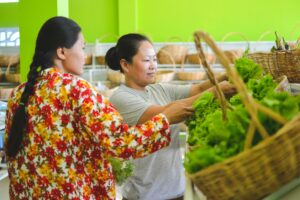
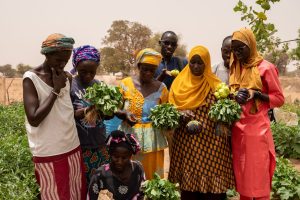
My role is to support women in economic interest groups (EIGs) in marketing their vegetable production. Currently, these five EIGs grow and sell their crops at the Tambacounda market through wholesalers. One of my goals was to raise awareness among these wholesalers about rural realities. We therefore invited them to visit the vegetable gardens and talk to the women farmers. With the support of the Am Be Koun team, the women promoted agroecological techniques and their advantages over conventional techniques. It seems that the message got through!
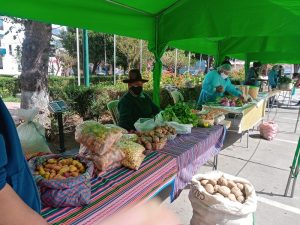
I had the opportunity to accompany the women to the market in Tamba. The journey takes place at night, with the women leaving the day before in carts pulled by donkeys. The journey is perilous because the roads are not always passable… and because donkeys are stubborn animals! Arriving at the market around 2-3 a.m., the market gardeners sleep on tarpaulins, waiting for the first customers around 6 a.m. The night journey is followed by a busy day in the stifling heat of the market. I was impressed by the energy required to then make the return journey, especially as all the women are always accompanied by their youngest child!
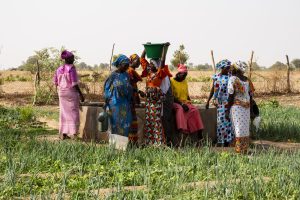
From a personal point of view, I stayed in the village of Diombodina, and this complete immersion in a traditional female environment gave me a better understanding of their daily lives. The women are constantly busy from 6 a.m. onwards, and every day is the same. A typical day? The first activity is to fetch water and store it in jars for drinking. Water from standpipes is used for cooking and washing (dishes, laundry, and bodies). Then they cultivate the fields (conventional farming and “Am Be Koun” gardening), take care of the children, prepare the various meals of the day, wash the laundry, and process the vegetables they have grown (cutting okra to sell at the market, removing peanuts from the shoots, shelling beans). I also caught a glimpse of certain aspects of how “family concessions” work, where, for example, a different woman cooks for the entire concession every other day. At the village level, I was able to observe elements of the local economy in place: each woman has her own business, one sells bread and mayonnaise, another sells oil and pepper, and they all trade with each other.
Today, I am diving into another stage in the development of the vegetable sector: the promotional aspect of economic interest groups (EIGs) and the benefits of agroecology…
Louise Laroye, intern
The projects
Projet clôturé Projet clôturé
Agroecology Gardens for the Future
Cambodia
SDSR-Lab: for clear, inclusive, and tailored information on sexual and reproductive health and rights
Burkina Faso
The Feminist Transnational Caravan (FTC)
Belgium
Campus in Action
Agroecological and Safe Food System Transitions (ASSET)
Cambodia
AGRI-VERT
Guinea
PROMAK – Nature Africa
Guinea
F-ProMAR
Benin
Women are taking action for the climate
Benin
PARSAD
Benin | Burkina Faso
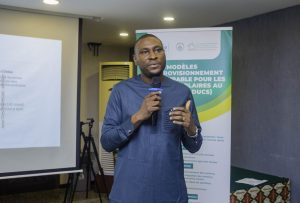
MALDUCS
Benin
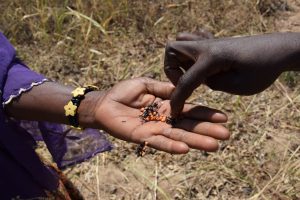
InESAD
Benin
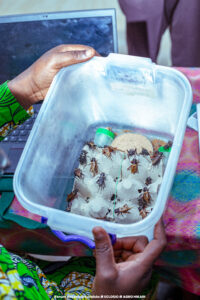
Insect4Benin
Benin
Bilateral Rural Solar
Benin
Mangal Festival
Benin
Promotion of Sustainable Food Systems (ProSAD)
Benin
Strengthening the Health System's Response and Resilience to the Mpox Epidemic in the DRC
Democratic Republic of the Congo
Cobalt, a social experiment in support of the SDGs
Belgium | Democratic Republic of the Congo
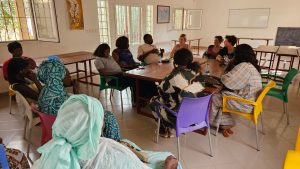
Kabongoye Campus
Senegal
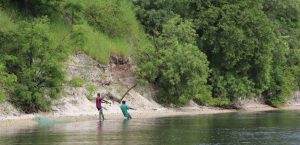
Losses and damages Niowan Saloum
Senegal
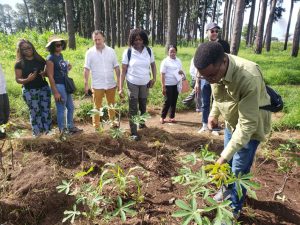
PRD Cassava
Democratic Republic of the Congo
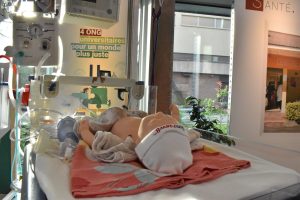
SIMFOR Project: Continuing education in healthcare through simulation
Democratic Republic of the Congo
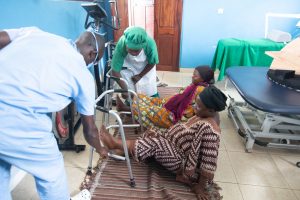
Health program: towards person-centered care in the DRC
Democratic Republic of the Congo
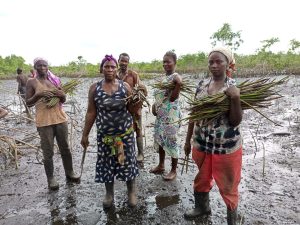
Baby boom: reforestation of the Mangrove Marine Park forests
Democratic Republic of the Congo
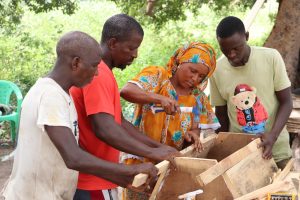
Modern Beekeeping Methods in Linkering and Sustainable Practices Project (MéLiPra)
Senegal
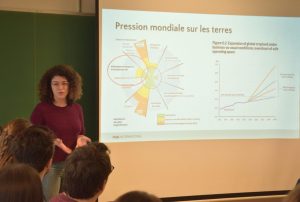
DJESA: raising awareness about food sovereignty
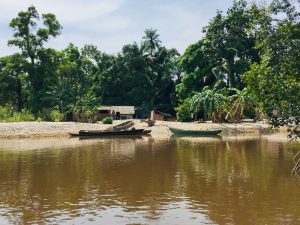
Sustainable food systems in the Democratic Republic of Congo
Democratic Republic of the Congo
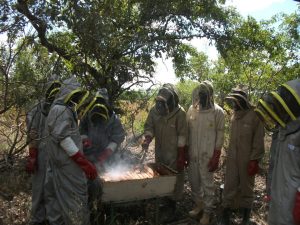 Projet clôturé
Sustainable food systems in Burkina Faso
Burkina Faso
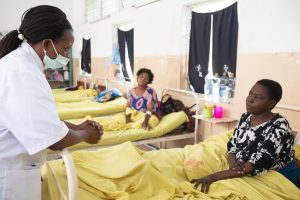
PARISS: Project to support the integrated strengthening of the health system in North Kivu
Democratic Republic of the Congo
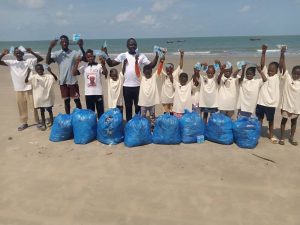
RACINE
Guinea
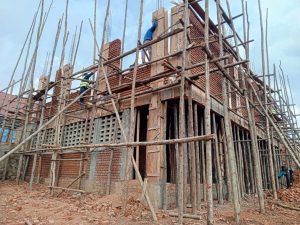
INFRA+: Improving infrastructure and working conditions in North Kivu and Ituri
Democratic Republic of the Congo
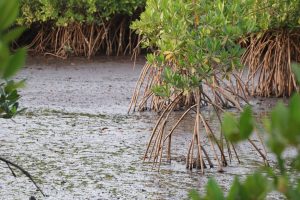
Sustainable management of mangrove ecosystems
Benin | Democratic Republic of the Congo | Guinea | Senegal
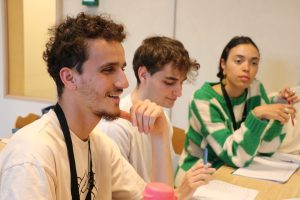
Cooperation Games
Belgium
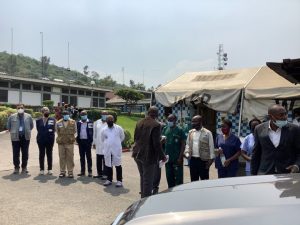
Support for the development of the North Kivu Provincial Hospital (HPNK+)
Democratic Republic of the Congo
Education for global citizenship and solidarity (Uni4coop)
Belgium
Agroecological alliance for sustainable cashew production in Cambodia (CHANTI)
Cambodia
Service: Facilitation of workshops on agroecology and water management
Supporting the agroecological transition of pineapple industry clusters through participatory approaches
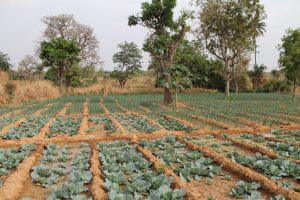
Training of trainers on climate-resilient agriculture
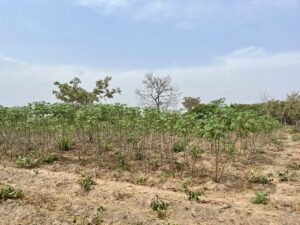
Training services in monitoring, evaluation, accountability, and learning (MEA&L)
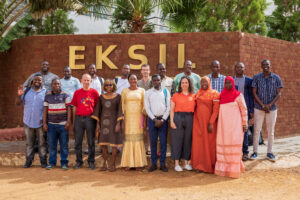
Organization of Learning and Practice Communities in an International Context
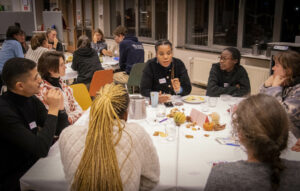
Papote et popote
Sustainable food systems and natural resource management in Senegal
Senegal
Global Opportunity Youth Network (GOYN)
Senegal
FAGARU Network
Senegal
Kasofor: Resilience of island communities in Casamance in the face of climate change
Senegal
Initiative FIT
Senegal
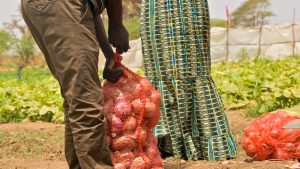
Project to support the improvement of productivity and competitiveness in the onion and potato sectors
Senegal
BioMicNet
Senegal
Women's Empowerment and Green Finance Project (PAFIV)
Senegal
MIPRO2
Senegal
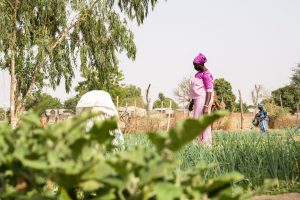
AfriNutriForest
Senegal
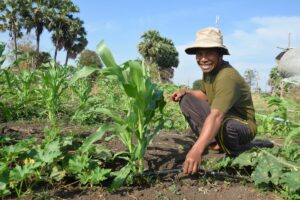
Partnership for Agroecology Transition, Networking, and Efficient Resilience (PArTNER)
Cambodia
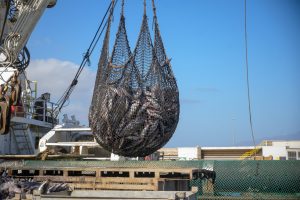
West Africa Sustainable Ocean Program (WASOP)
Benin | Burkina Faso | Guinea | Senegal
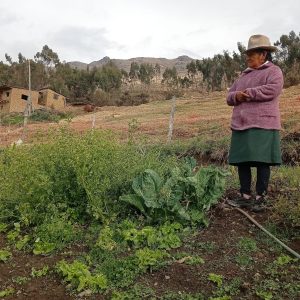
Promoting sustainable food systems through a human rights-based approach (impulSAD Peru)
Peru
Promoting sustainable food systems through a human rights-based approach (impulSAD Bolivia)
Bolivia
 Projet clôturé
Food Systems, Market, and Water (SAMA)
Peru