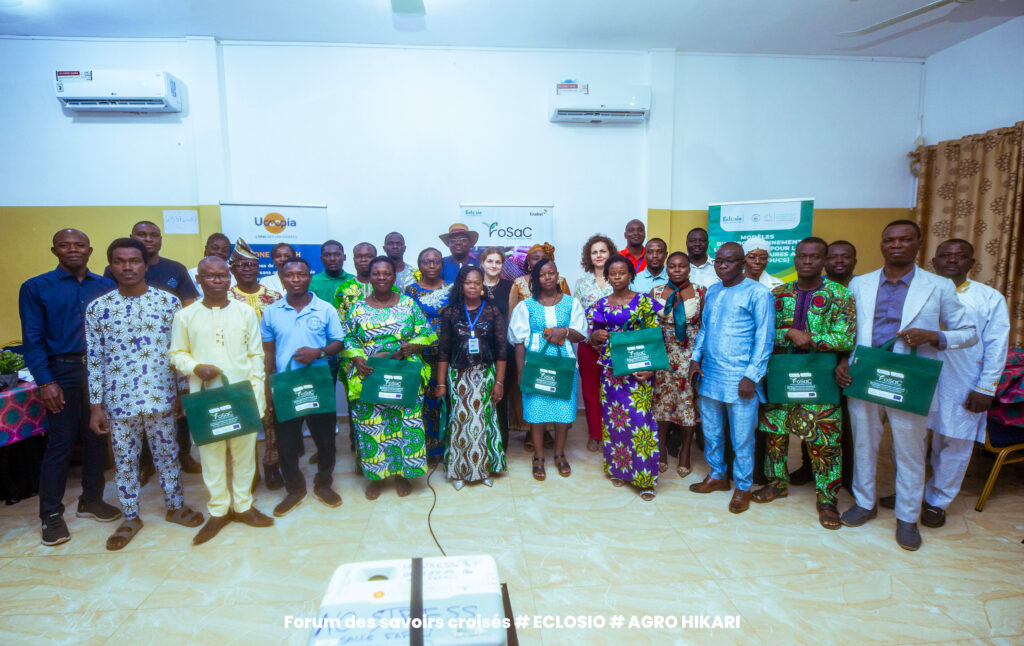
The first edition of the Cross-Disciplinary Knowledge Forum in Benin
In Benin, and particularly in the Mono department, modern agriculture has relied heavily on the intensive use of pesticides and chemical fertilisers. Whilst these practices have led to increased yields, they have also had worrying consequences: soil depletion, water contamination, the disappearance of beneficial organisms that support biodiversity, and health risks for farmers and consumers.
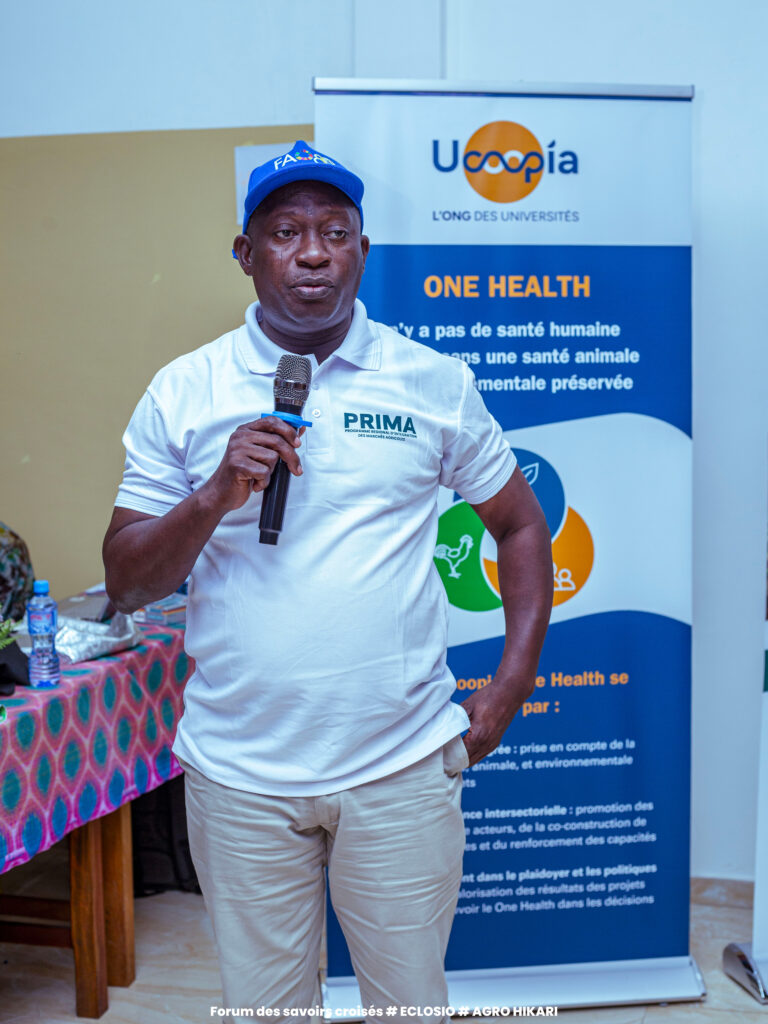
These impacts do not affect agriculture alone: they affect food systems as a whole and, more broadly, public health. This is precisely what the One Health approach highlights, recognising the interconnection between human health, animal health and environmental health.
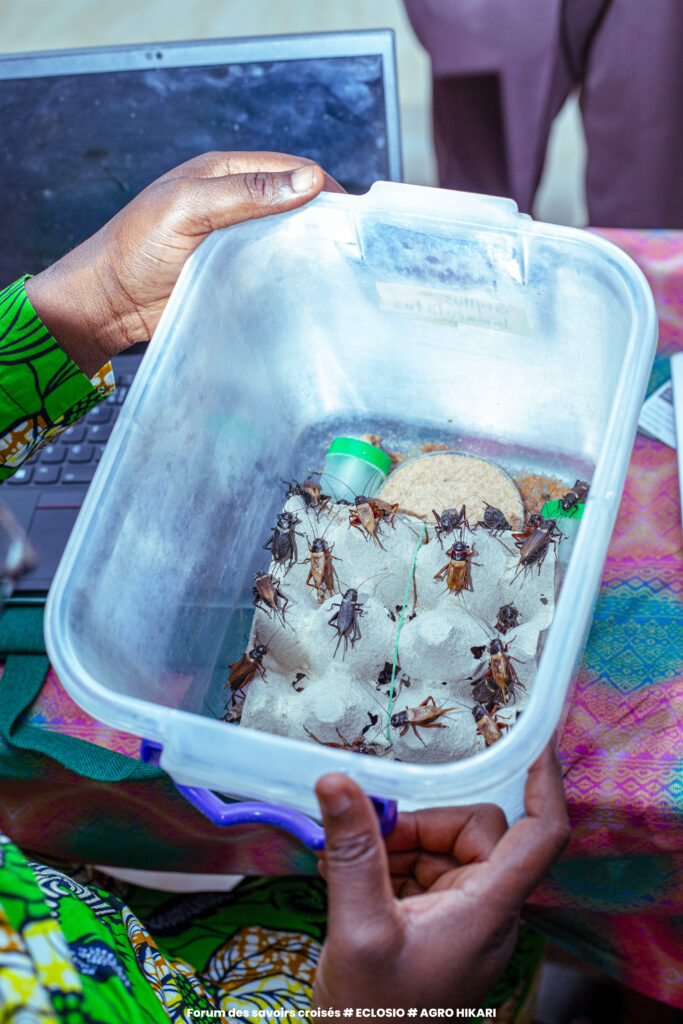
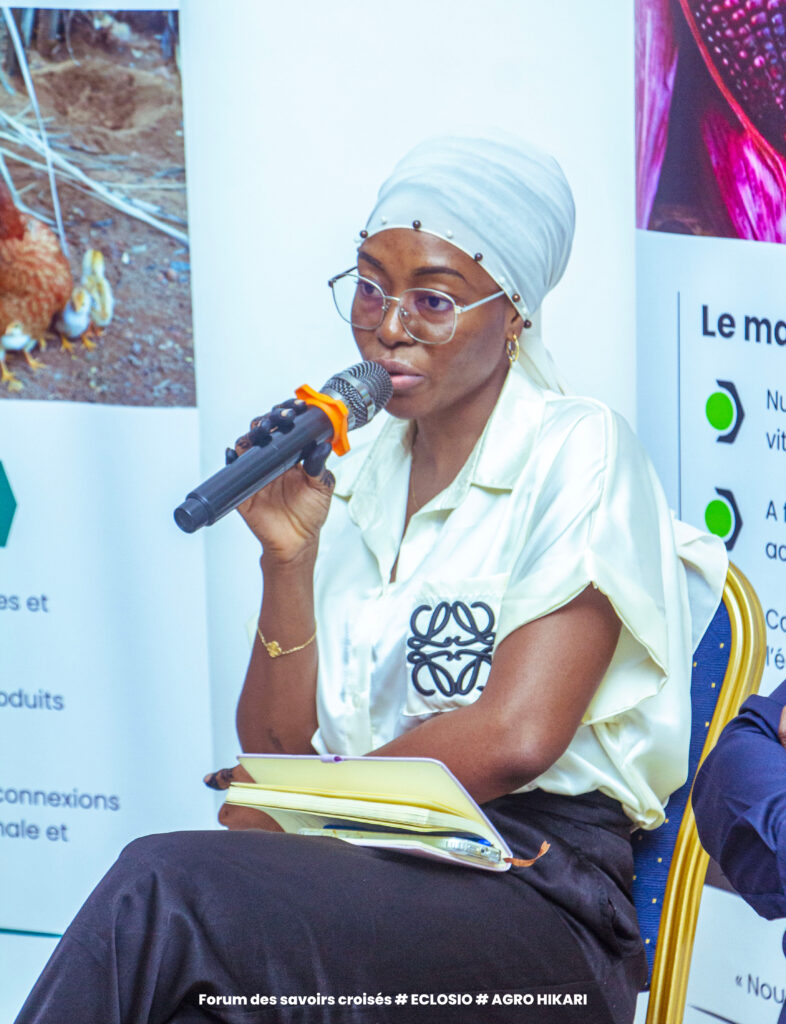
The Forum for the Exchange of Knowledge: a space for dialogue and discussion
In light of these findings, Ucoopia organised the first edition of FoSaC – the Forum for Cross-Disciplinary Knowledge – with the aim of creating a space for dialogue and collaborative learning on sustainable food systems and the One Health approach. This Forum, organised as part of the InESAD project, is the result of a collaboration between Ucoopia and Enabel, with the support of Wallonie-Bruxelles International, LuxDev and the European Union.
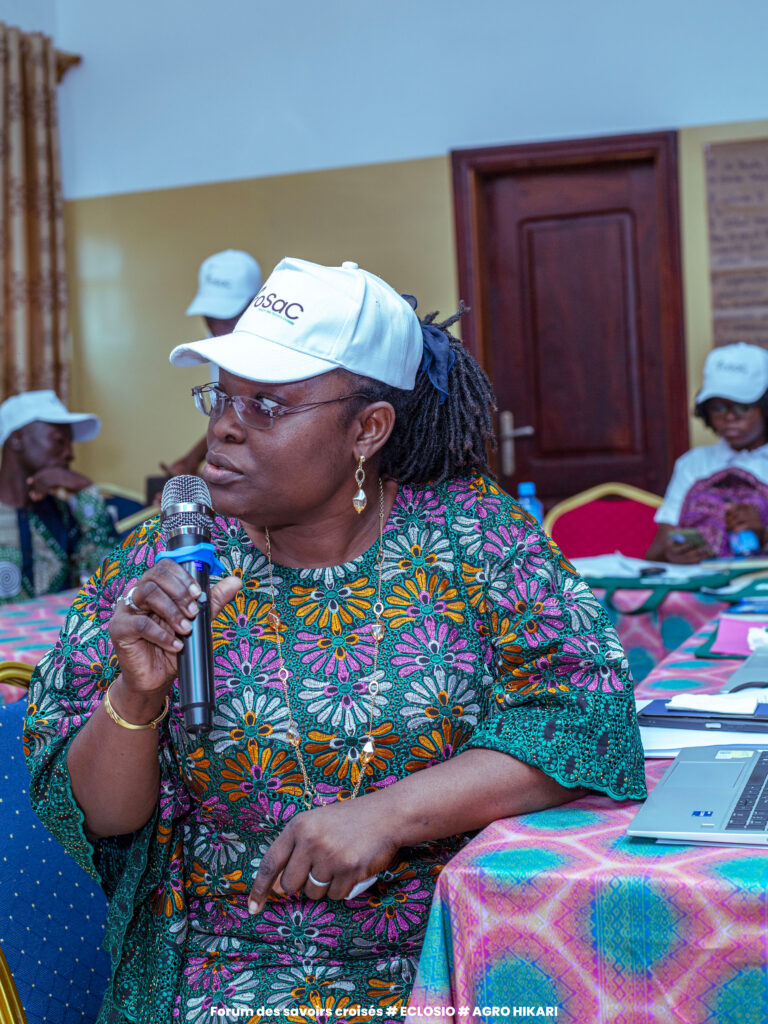
FoSaC brought together stakeholders from cooperatives, universities, NGOs, public institutions and farmers’ organisations, with a clear objective: to raise collective awareness of the health, economic and environmental issues linked to chemical inputs and to encourage the adoption of agroecological practices.
Over the course of two days, participants shared their knowledge and experiences through:
three thematic panels
- Panel 1: The effects of pesticides and chemical inputs on human health, soil and biodiversity, and agroecological alternatives
- ¨Panel 2: Responsible consumption and ways to boost demand for agroecological products
- Panel 3: The interconnections between human, animal and environmental health, and their link to agroecology
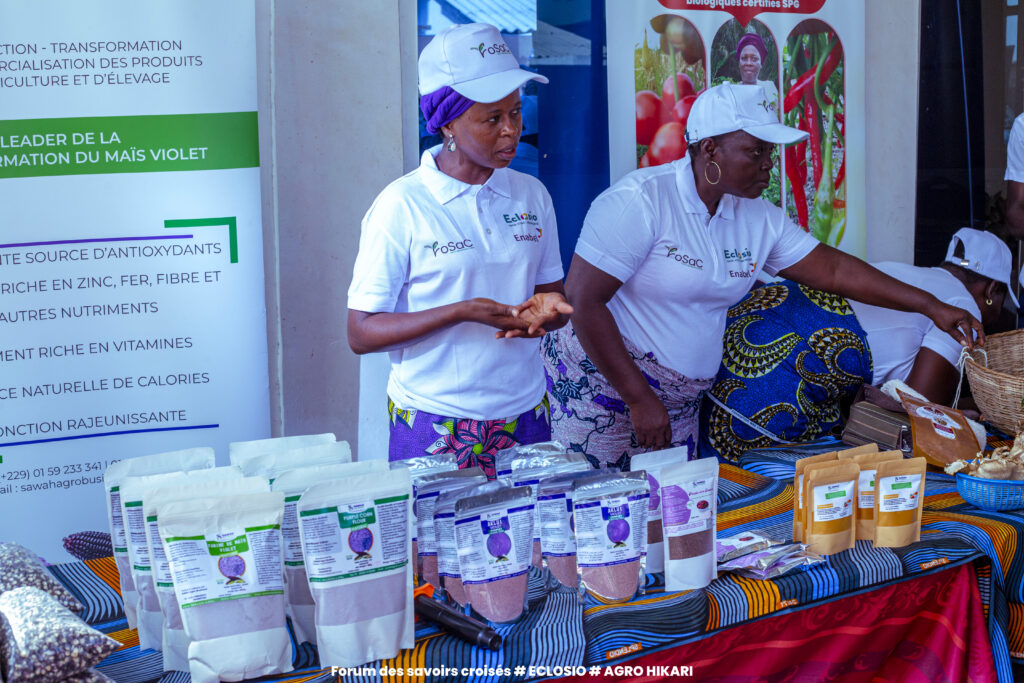
A mini agroecological fair
- To highlight local agroecological initiatives
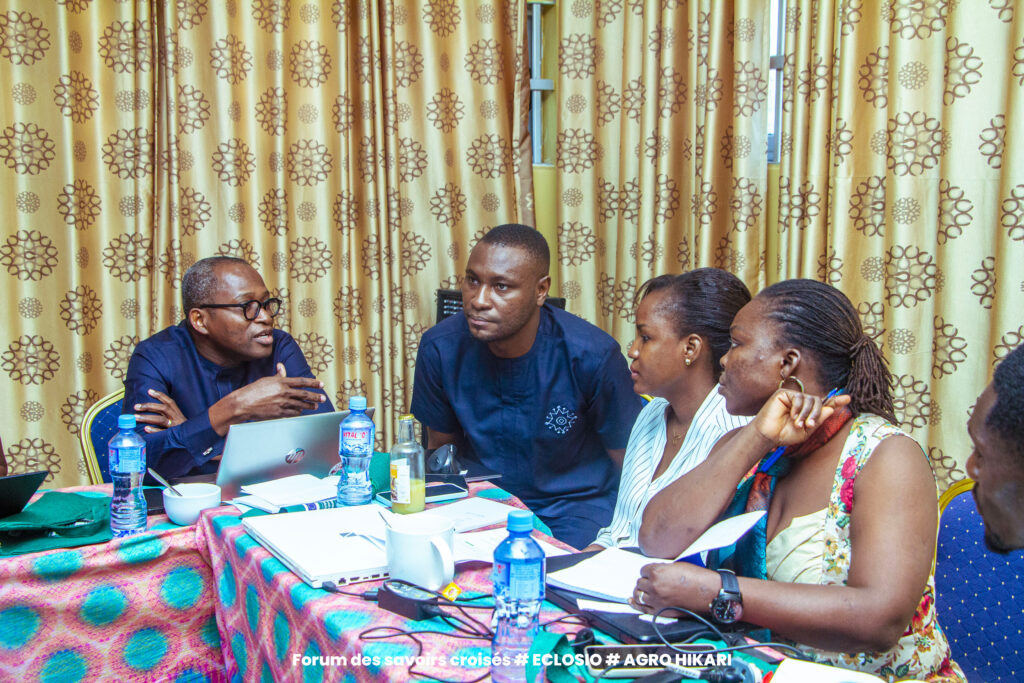
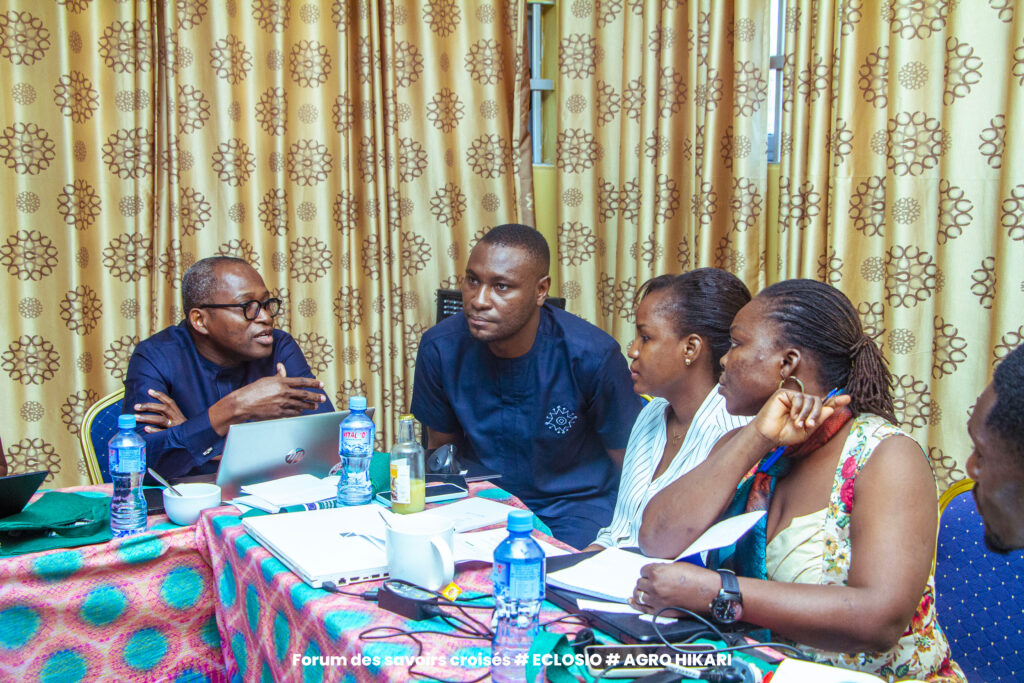
Participatory workshops
- To explore the discussions arising from the panel sessions in greater depth and consider possible courses of action for:
- Reducing reliance on pesticides
- Raising consumer awareness
- Supporting the marketing of agroecological products
- Better integrating the One Health approach into local policies
- To explore the discussions arising from the panel sessions in greater depth and consider possible courses of action for:
What next?
Following the forum, a final report was drawn up, setting out a roadmap and concrete recommendations for strengthening the link between sustainable food systems and the One Health approach.
However, FoSaC is not limited to this first edition. It aims to establish a sustainable, multi-stakeholder process in Benin and across the sub-region. A second edition is already being planned in order to continue and build on this momentum.