
 Projet clôturé
UpScale
Cambodia
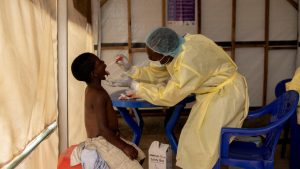
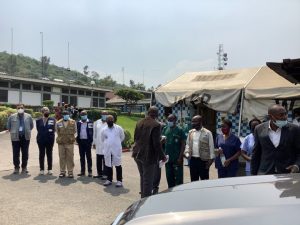
When the coronavirus began to spread in China, then in Europe, here in the Democratic Republic of Congo, the Ebola epidemic was coming to an end, and no cases of COVID-19 had yet been detected. I remember that Sunday morning when I went to the pool. The sun was high in the sky, sparkling, and Lake Kivu in the distance was a deep blue. Mixed couples sipped fruit juice while their children played happily in the water. A light breeze caressed our glistening bodies. Across the lake, I could see Rwanda, a country of a thousand green hills. The echo of terrible news reached me from afar—the rapid spread of the virus and thousands of deaths. Yet here, I felt like I could finally breathe. The city seemed to be resting. In the evening, the bars were busy and the streets were less deserted than they had been a few months earlier. What a strange feeling it was to feel safer here than at home in a country that has been in crisis for decades. In North Kivu, emergency is a daily occurrence. Massacres, mass rapes, epidemics, endemic poverty, and volcanic eruptions are among the scourges affecting the region.
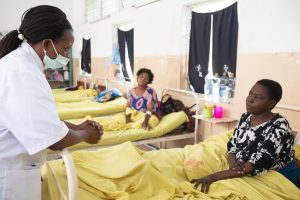
On March 10, the first case of COVID-19 was reported in Kinshasa. International flights were gradually canceled and borders closed. Two weeks later, President Félix Tshisekedi declared a state of emergency. Shortly before that, the World Health Organization asked African countries to do everything possible to prevent the spread of the virus in order to avoid the worst-case scenarios. Although the DRC has some experience in managing health emergencies, the health system is not prepared to deal with this pandemic. The poor quality of care, lack of equipment, high cost of health services, large number of chronically ill people, and high urban population density are all factors that could lead to a real catastrophe.
March 10, end of the truce. The emergency rears its head once again. For several days now, we have been working tirelessly with provincial health authorities to limit the spread of the virus and provide proper care for the sick.
Projet clôturéCambodia
 Projet clôturé
Cambodia
Burkina Faso
Belgium
Cambodia
Guinea
Guinea
Benin
Benin
Benin | Burkina Faso
Benin
Benin
Benin
Benin
Benin
Benin
Democratic Republic of the Congo
Belgium | Democratic Republic of the Congo
Senegal
Senegal
Democratic Republic of the Congo
Democratic Republic of the Congo
Democratic Republic of the Congo
Democratic Republic of the Congo
Senegal
Democratic Republic of the Congo
 Projet clôturé
Burkina Faso
Democratic Republic of the Congo
Guinea
Democratic Republic of the Congo
Benin | Democratic Republic of the Congo | Guinea | Senegal

Belgium
Democratic Republic of the Congo

Belgium

Cambodia



Senegal
Senegal
Senegal
Senegal
Senegal
Senegal
Senegal
Senegal
Senegal
Senegal
Cambodia
Benin | Burkina Faso | Guinea | Senegal
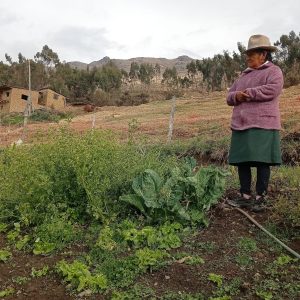
Peru
Bolivia
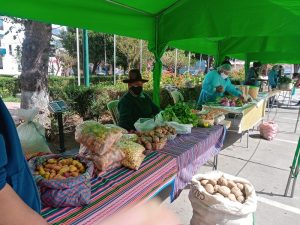 Projet clôturé
Peru