 Projet clôturé
Eleanor Antoine
On February 23, 2019, after nearly nine hours of flying and four hours of driving through Rwanda’s stunning landscapes, I finally arrived in Goma! Well, almost… I still had to cross the Rwanda-Congo border, which I did with some trepidation. Finally, after a few questions and document checks, my adventure began!
The smell of wood fires, motorcycle taxis, smiles, and honking horns immediately put me in the Congolese mood. And strangely enough, even though this is my first time in sub-Saharan Africa, I feel so at home. I have to say that I have been dreaming about this internship for a very long time. Pascal, who was waiting for me in the ULB-Coopération 4×4, drops me off at Agnès’s house, where I will be staying, and she welcomes me with a big smile: “Jambo!” The next day, I take a short tour of the city. My first encounter with Lake Kivu: I can’t wipe the smile off my face. The day flies by, which is just as well, as I can’t wait to start my internship!
On Monday morning, things get serious. I quickly get into the swing of things. First weekly meeting where I meet the team. Everyone makes me feel comfortable and welcomes me with a smile. Then, my internship supervisor, Hélène, explains to me in broad terms the approach we will take together, focusing on discrimination and inequalities in access to healthcare. She discusses with me the specific context in which patients live in the Democratic Republic of Congo, particularly at the North Kivu Provincial Hospital (HPNK). The first shock: here, patients who cannot pay their hospital bills, the “indigent” as they are called, remain locked up within the hospital grounds. They are therefore very often forced to beg in order to survive. As a result, many leave behind children who are left to fend for themselves. The contrast with our country strikes me with full force. In an attempt to break this vicious circle, Hélène has established criteria for poverty that work on a “score” basis. Based on various questions, the score identifies people considered to be in a situation of extreme poverty. This early identification would make it possible to consider a debt relief system. Later in the week, we learn that three people have been “freed” thanks to these proposals.
Then I discovered another aspect of this project, concerning diabetes. Diabetes? Yes, diabetes! Unexpectedly, this is an issue that receives little media coverage in Europe, but in Africa, this chronic disease, like cardiovascular disease, is actually more deadly than HIV/AIDS. It can lead to blindness, foot damage that can result in amputations, heart attacks and strokes, and even kidney failure. Having diabetes can therefore have very serious consequences. A major difficulty is that its treatment requires active self-management on the part of the patient: they are responsible for taking their medication regularly and adopting a healthy lifestyle with an appropriate diet and regular physical activity. This is not always easy to do, especially when you don’t have the necessary information. As a result, the HPNK discrimination commission has decided to undertake several actions, including a discussion forum that I am co-organizing with Hélène, aimed at diabetic patients and healthcare providers in order to facilitate dialogue and promote active listening to the difficulties encountered by each individual.
After just a few days of my internship, I realize that there is a lot of work to be done and many challenges to overcome. I am surrounded by a supportive and motivated team, which gives me a lot of hope for the future!
The projects
Projet clôturé Projet clôturé
Agroecology Gardens for the Future
Cambodia
SDSR-Lab: for clear, inclusive, and tailored information on sexual and reproductive health and rights
Burkina Faso
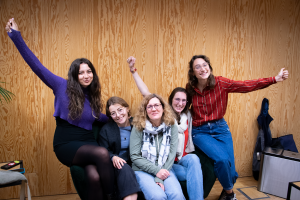
The Feminist Transnational Caravan (FTC)
Belgium
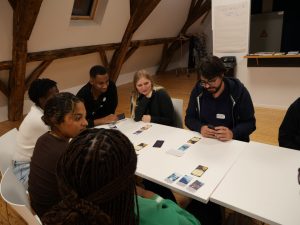
Campus in Action
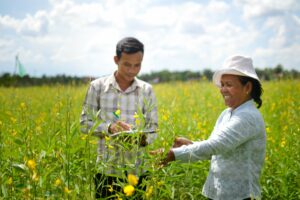
Agroecological and Safe Food System Transitions (ASSET)
Cambodia
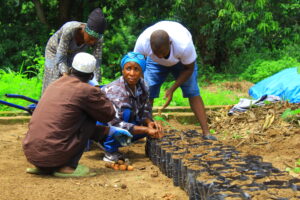
AGRI-VERT
Guinea
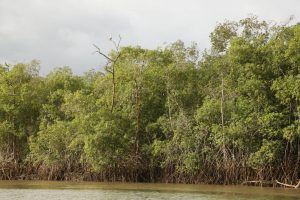
PROMAK – Nature Africa
Guinea
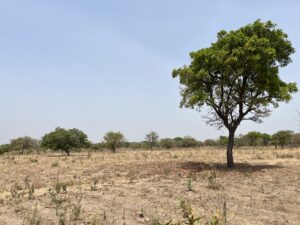
F-ProMAR
Benin
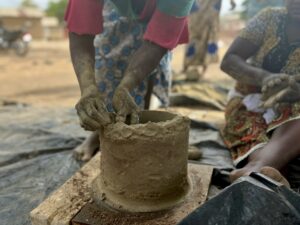
Women are taking action for the climate
Benin
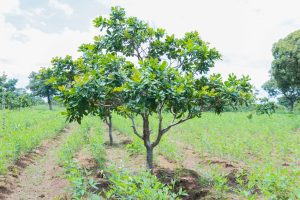
PARSAD
Benin | Burkina Faso
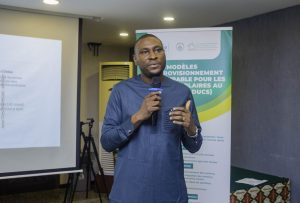
MALDUCS
Benin
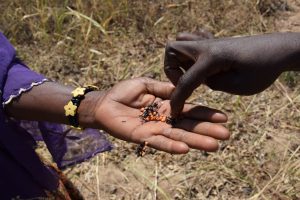
InESAD
Benin
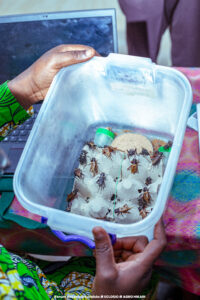
Insect4Benin
Benin
Bilateral Rural Solar
Benin
Mangal Festival
Benin
Promotion of Sustainable Food Systems (ProSAD)
Benin
Strengthening the Health System's Response and Resilience to the Mpox Epidemic in the DRC
Democratic Republic of the Congo
Cobalt, a social experiment in support of the SDGs
Belgium | Democratic Republic of the Congo
Kabongoye Campus
Senegal
Losses and damages Niowan Saloum
Senegal
PRD Cassava
Democratic Republic of the Congo
SIMFOR Project: Continuing education in healthcare through simulation
Democratic Republic of the Congo
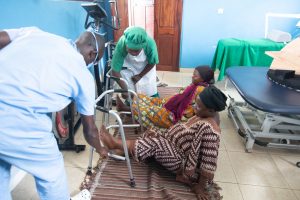
Health program: towards person-centered care in the DRC
Democratic Republic of the Congo
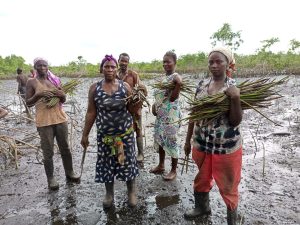
Baby boom: reforestation of the Mangrove Marine Park forests
Democratic Republic of the Congo
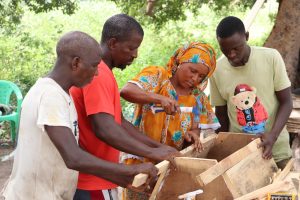
Modern Beekeeping Methods in Linkering and Sustainable Practices Project (MéLiPra)
Senegal
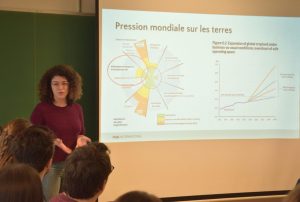
DJESA: raising awareness about food sovereignty
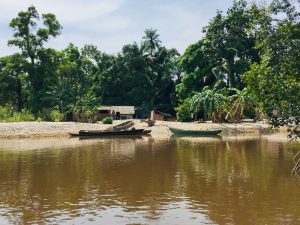
Sustainable food systems in the Democratic Republic of Congo
Democratic Republic of the Congo
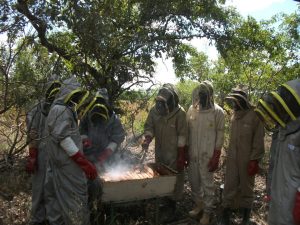 Projet clôturé
Sustainable food systems in Burkina Faso
Burkina Faso
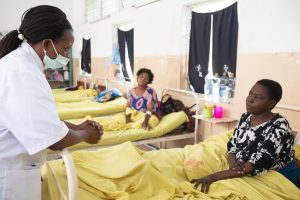
PARISS: Project to support the integrated strengthening of the health system in North Kivu
Democratic Republic of the Congo
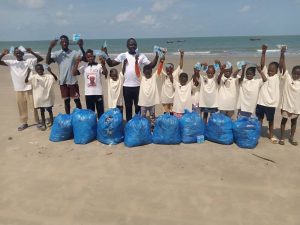
RACINE
Guinea
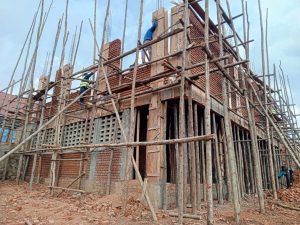
INFRA+: Improving infrastructure and working conditions in North Kivu and Ituri
Democratic Republic of the Congo
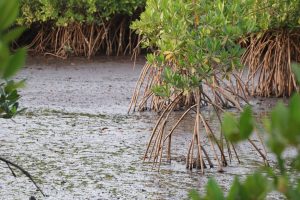
Sustainable management of mangrove ecosystems
Benin | Democratic Republic of the Congo | Guinea | Senegal
Cooperation Games
Belgium
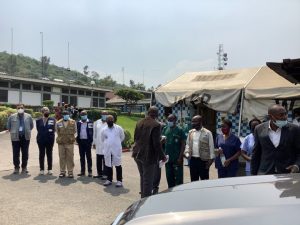
Support for the development of the North Kivu Provincial Hospital (HPNK+)
Democratic Republic of the Congo
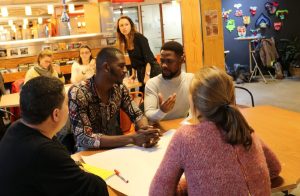
Education for global citizenship and solidarity (Uni4coop)
Belgium
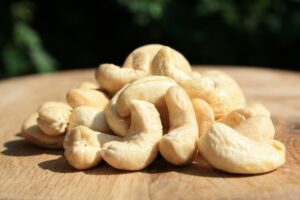
Agroecological alliance for sustainable cashew production in Cambodia (CHANTI)
Cambodia
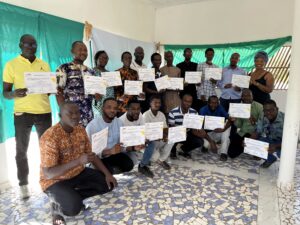
Service: Facilitation of workshops on agroecology and water management
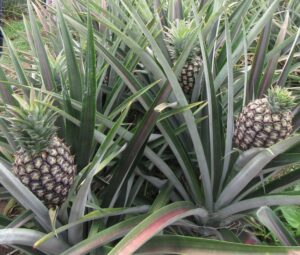
Supporting the agroecological transition of pineapple industry clusters through participatory approaches
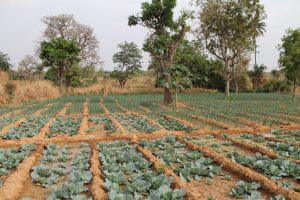
Training of trainers on climate-resilient agriculture
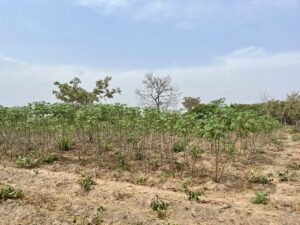
Training services in monitoring, evaluation, accountability, and learning (MEA&L)
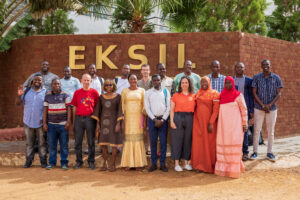
Organization of Learning and Practice Communities in an International Context
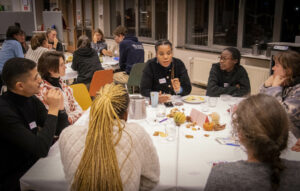
Papote et popote
Sustainable food systems and natural resource management in Senegal
Senegal
Global Opportunity Youth Network (GOYN)
Senegal
FAGARU Network
Senegal
Kasofor: Resilience of island communities in Casamance in the face of climate change
Senegal
Initiative FIT
Senegal
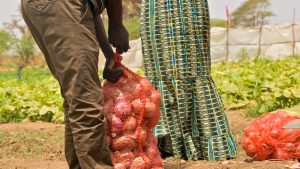
Project to support the improvement of productivity and competitiveness in the onion and potato sectors
Senegal
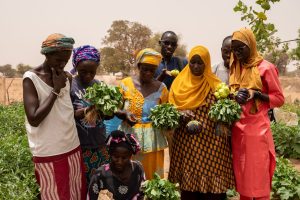
BioMicNet
Senegal
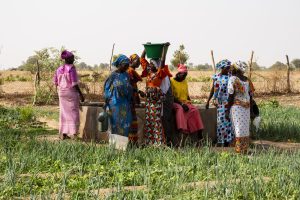
Women's Empowerment and Green Finance Project (PAFIV)
Senegal
MIPRO2
Senegal
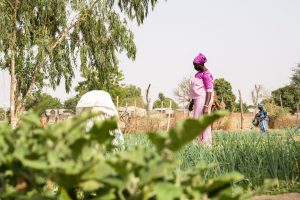
AfriNutriForest
Senegal
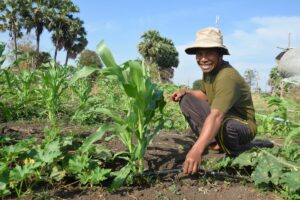
Partnership for Agroecology Transition, Networking, and Efficient Resilience (PArTNER)
Cambodia
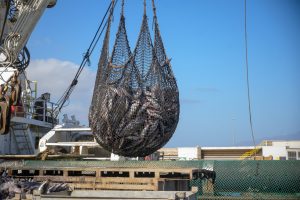
West Africa Sustainable Ocean Program (WASOP)
Benin | Burkina Faso | Guinea | Senegal
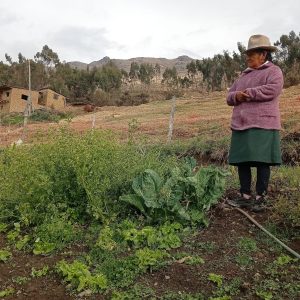
Promoting sustainable food systems through a human rights-based approach (impulSAD Peru)
Peru
Promoting sustainable food systems through a human rights-based approach (impulSAD Bolivia)
Bolivia
 Projet clôturé
Food Systems, Market, and Water (SAMA)
Peru