Mid-term evaluation of the sustainable food systems programme
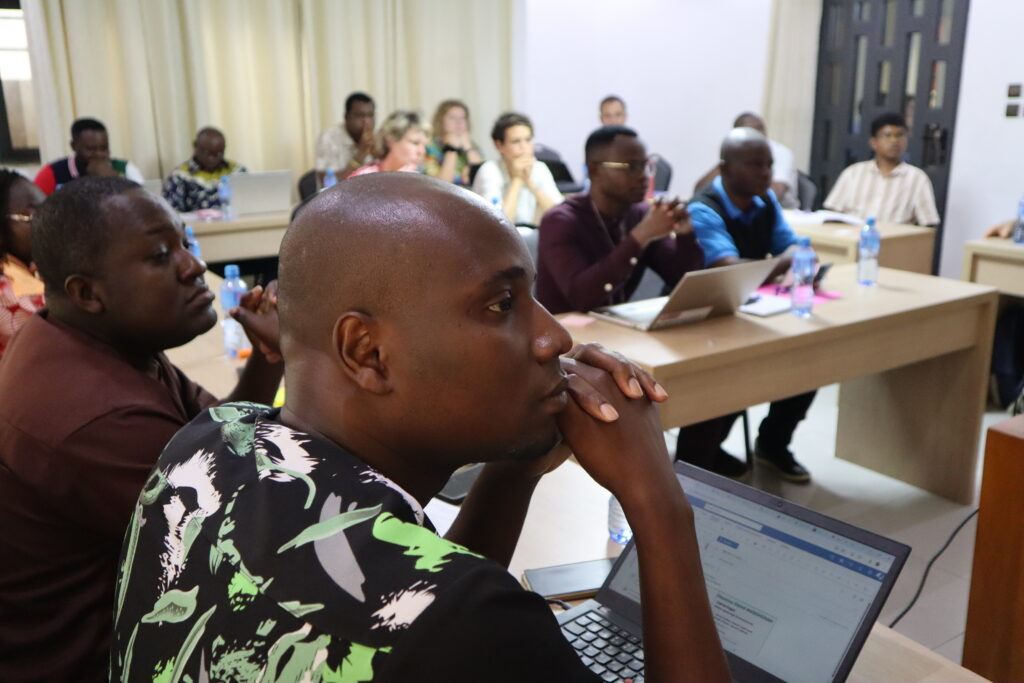
From 15 to 19 September 2025, members of the UNI4COOP consortium met in Cotonou, Benin, for a key milestone: the mid-term evaluation of the Sustainable Food Systems (SAD) programme. This workshop brought together colleagues from Eclosio, ULB-Coopération and Louvain Coopération working on the theme of sustainable food systems in Africa, particularly in Burkina Faso, Burundi, Benin, the DRC, Madagascar, Senegal and Togo. The aim of the week was to carry out an interim evaluation of the programme by pooling the knowledge and experience of the various teams, with a view to strengthening their agroecological transition initiatives in the future.
The SAD programme and the agroecological transition
The workshop in Benin forms part of the SAD 2022–2026 programme, implemented by the Uni4Coop consortium and funded by the Directorate-General for Development Cooperation and Humanitarian Aid (DGD), which aims to support the agroecological transition in Africa. The mid-term evaluation aims to harmonise agroecological practices across different countries, in order to strengthen coherence and promote mutual learning. It is also within this framework that UNI4COOP has incorporated the use of the TAPE tool – developed by the Food and Agriculture Organisation of the United Nations (FAO) – into its SAD programme to analyse the performance of sustainable food systems
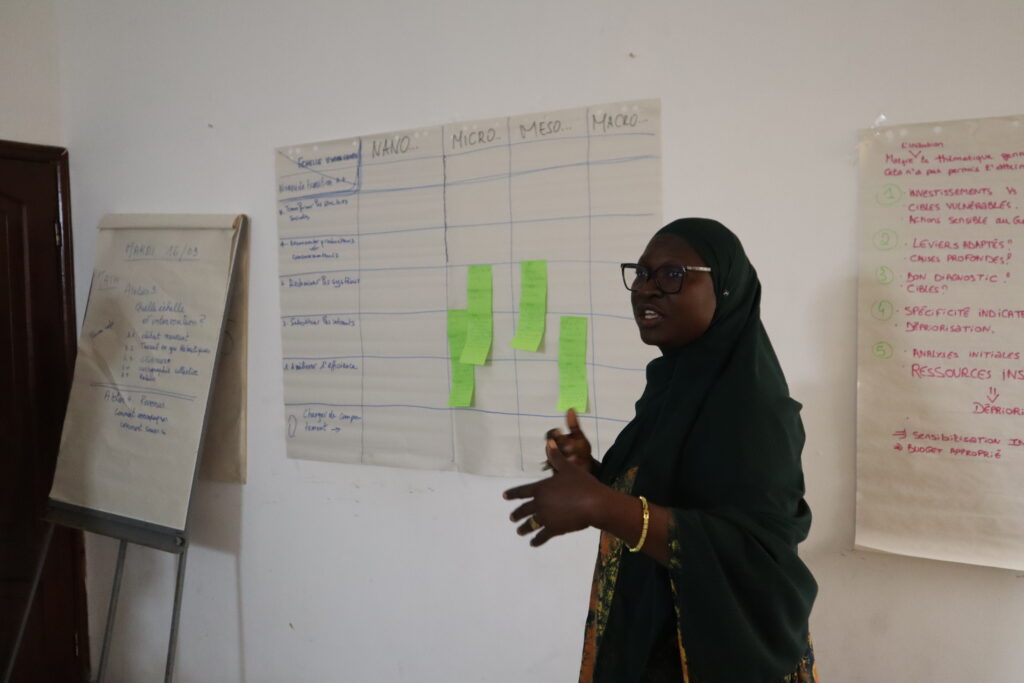
The mid-term review
The workshop had been preceded by several sessions of a learning community (CAP) bringing together teams from different countries online to share practices, strategies and challenges on various topics related to the programme’s implementation, such as increasing agricultural biodiversity, the inclusion of young people and women, improving productivity and collaboration with local stakeholders. These discussions also provided an opportunity to analyse the use of the TAPE tool and its added value in the agroecological transition.
The workshop in Cotonou marked a pivotal stage in the mid-term evaluation, providing an opportunity to analyse the lessons learnt identified by the CAPs and to reflect collectively on a number of key issues, such as:
- What scale of intervention is needed to achieve a transformational impact?
- How can we support efforts to increase the income of family farms?
- What methods should be used to measure dietary diversity?
- What is the purpose of the TAPE tool and what role will it play in the future programme?
- What are the assumptions regarding change and the outcome indicators for the future, when applying the theory of change?
These shared reflections thus enable us to draw up recommendations to strengthen the teams’ efforts and lay the groundwork for the design of the future SAD programme.
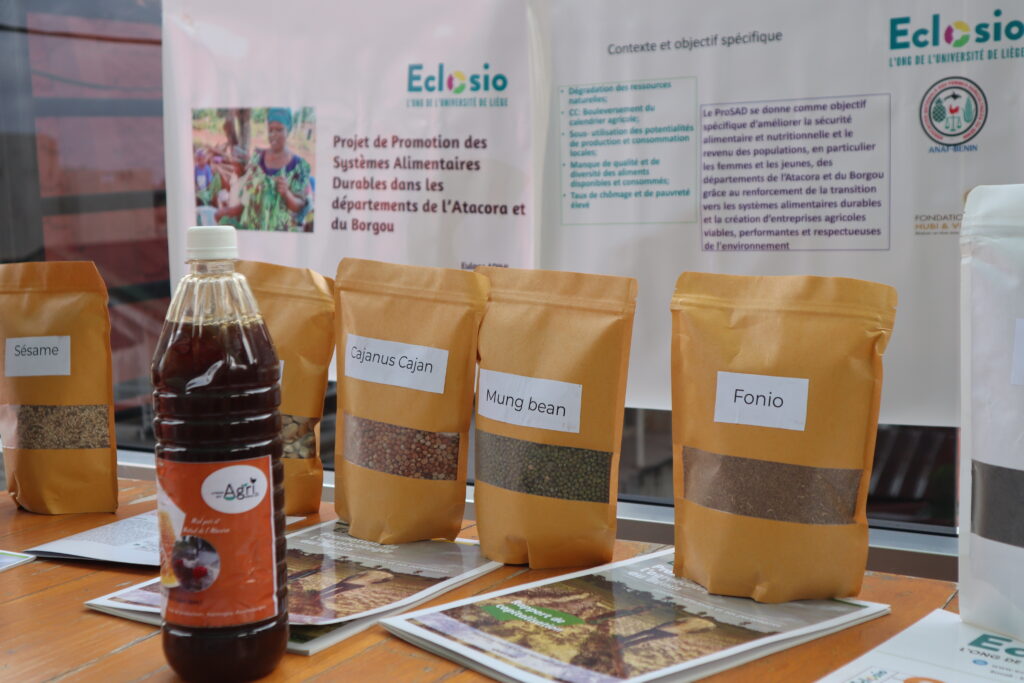
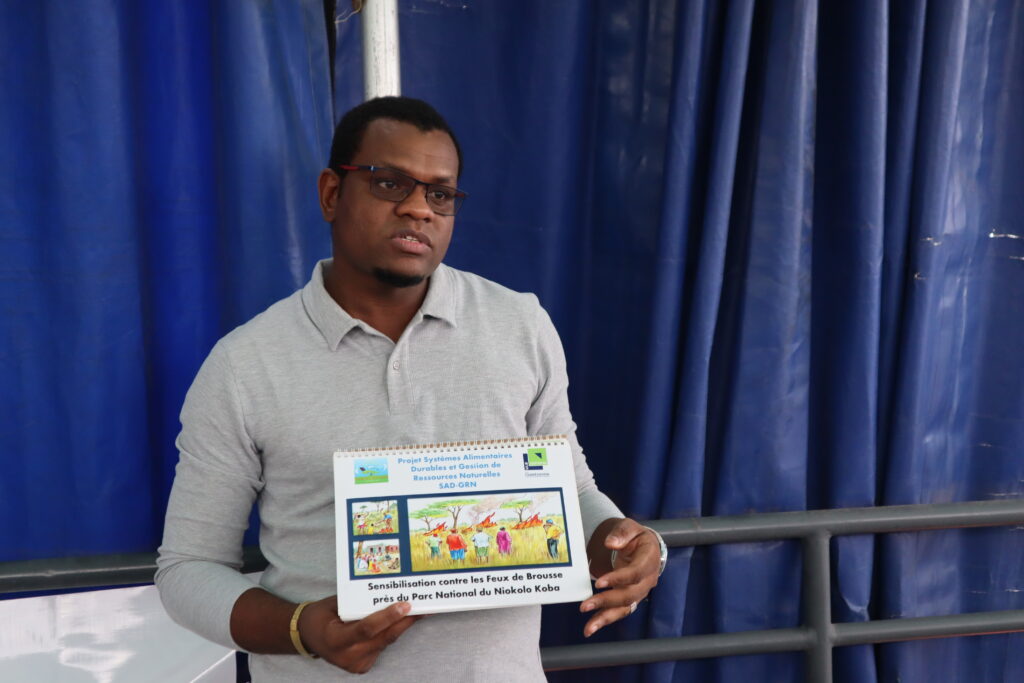
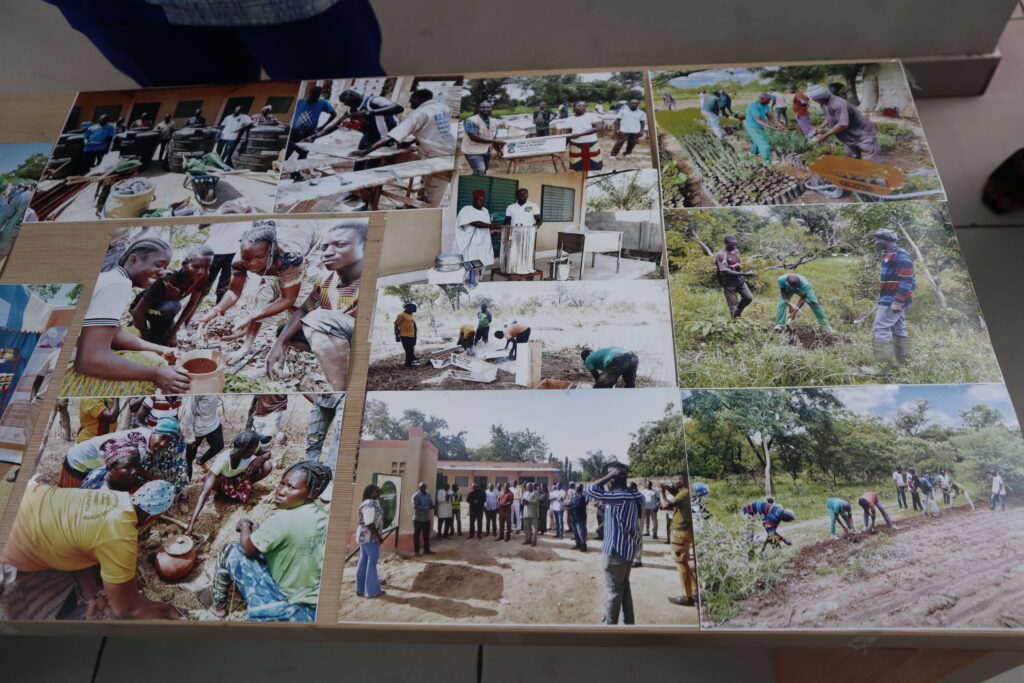
Method: Inclusive Knowledge Management
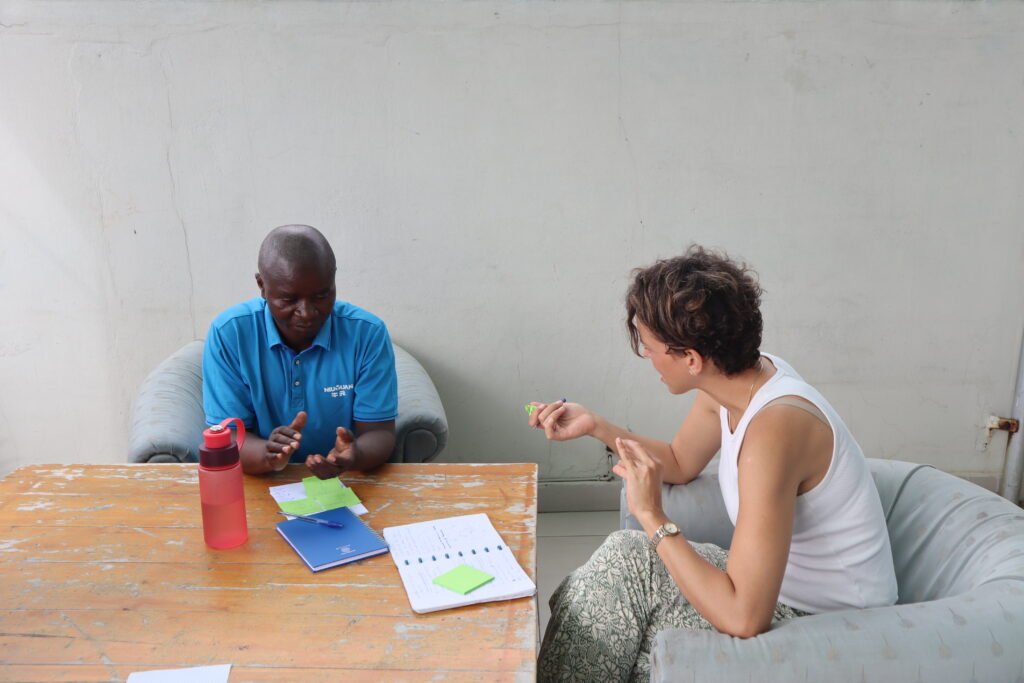
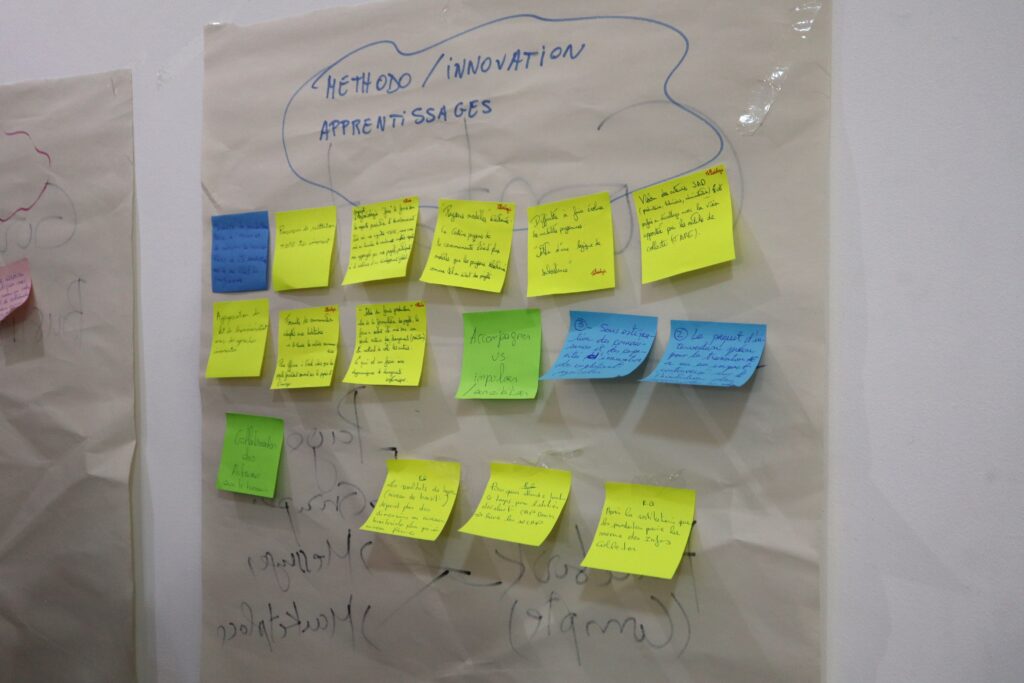
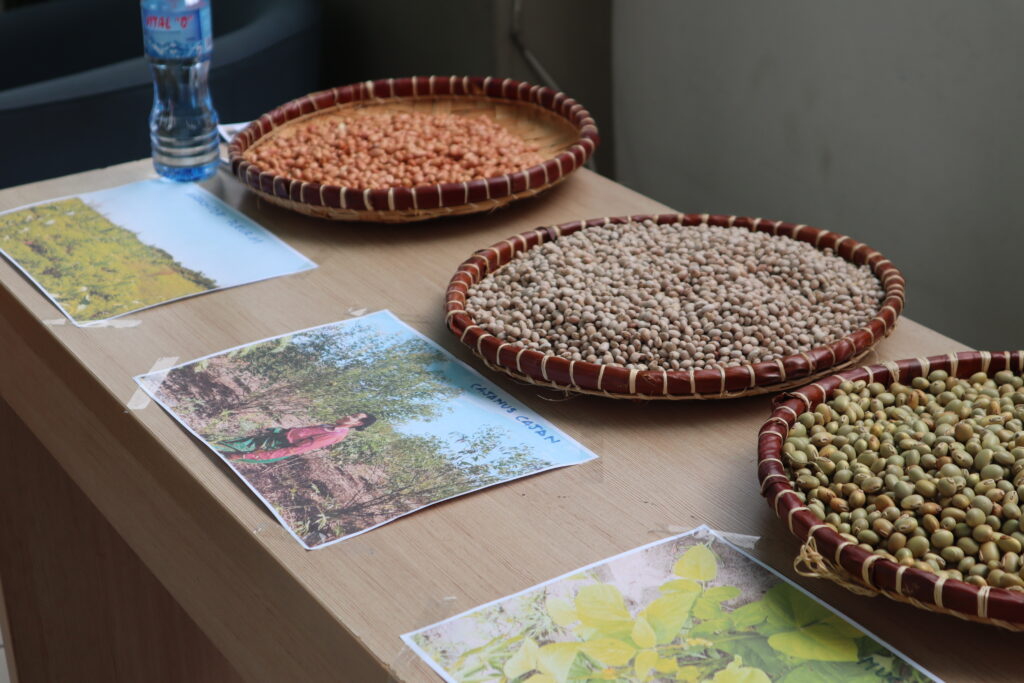
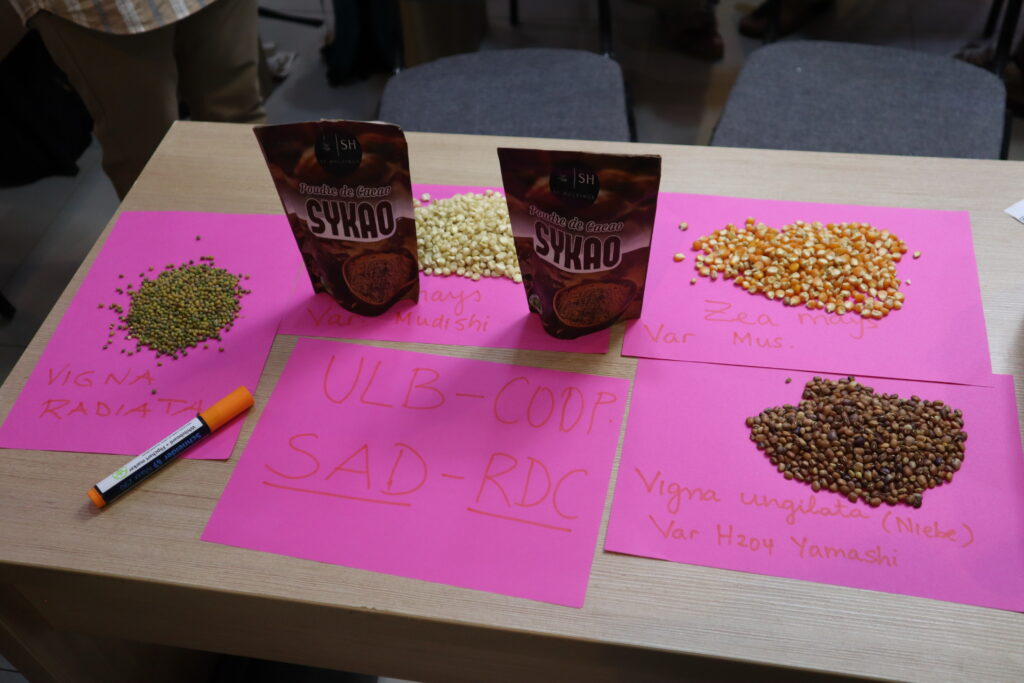
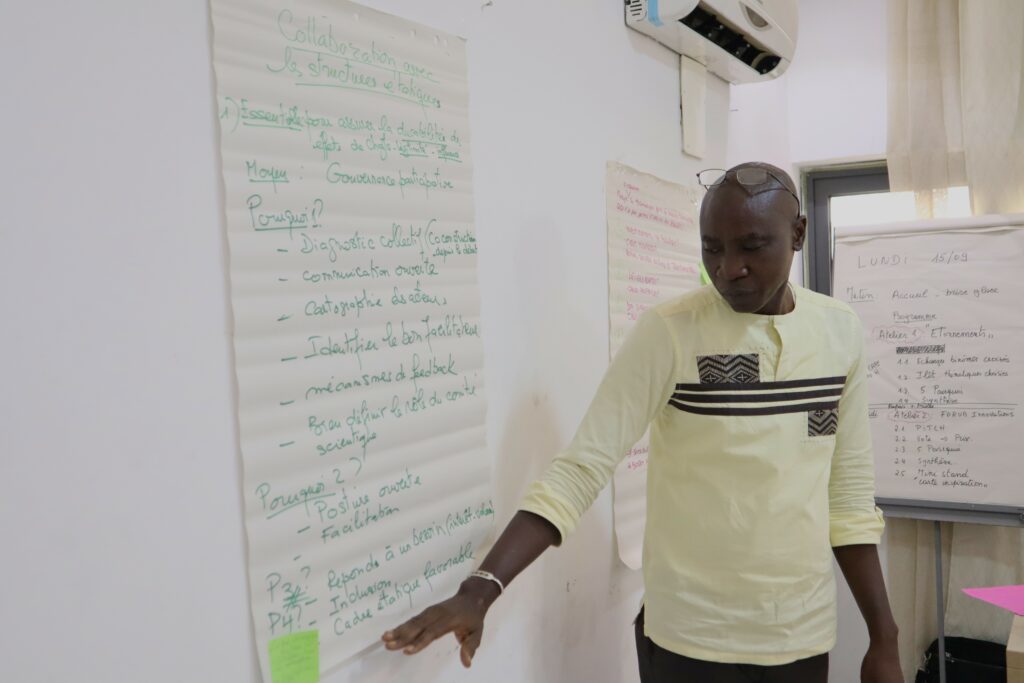
The mid-term evaluation was organised using a method that prioritises, above all, the active participation of everyone: Inclusive Knowledge Management (GIdS). Rather than traditional seminars where an expert addresses a passive audience, this method focuses on mutual learning and the co-creation of knowledge and innovative practices. Thus, over the course of a week, staff took part in various activities enabling them to share their experiences and knowledge in order to build new learning together: group work, pair discussions, pitch-style presentations, collective mind maps and visualisations, and even the organisation of a mini-fair. These activities drew inspiration from existing models and methodologies, such as the theory of change, the ‘5 Whys’ method, and Gliessman’s analytical framework on the five levels of transformation.
Ways to strengthen the agroecological transition
The workshop provided several insights for the future of the SAD programme. With regard to the scales of intervention, participants noted that current actions are mainly focused at the farm and value chain levels, but that interventions at the territorial and institutional levels can generate truly transformational effects, such as strengthening links between producers and consumers, consolidating local collective dynamics, or bringing about changes to governance structures.
The evaluation workshop also confirmed that the TAPE tool brings real added value to the agroecological transition, provided that its use is properly understood and adapted to different contexts. The recommendations arising from the workshop therefore focus on clarifying its use, supporting teams and partners in its implementation, collective learning, and local ownership.
Furthermore, the discussions highlighted several key factors for supporting change, such as: involving producers and partners from the very start of data collection and analysis; looking beyond the figures to observe concrete changes on farms; strengthening agricultural diversity (trees, livestock farming, beekeeping, etc.) and gaining a better understanding of the realities faced by young people in order to adapt support strategies.
Conclusion
In conclusion, all these recommendations will serve as a basis for the development of the future programme on sustainable food systems, by enhancing the coherence of actions and fostering a culture of collective learning within the consortium. More than just a technical exercise, this evaluation has helped to strengthen a shared vision amongst the teams and to consolidate practices that promote the agroecological transition within the various countries.