 Projet clôturé
Romain Octin
Thursday, August 15, 10:30 p.m., Ndjili International Airport. That’s it, I’m in Kinshasa. After a final baggage check, the automatic door opens. A blast of hot air hits me, and I am confronted with the hustle and bustle of the airport, which propels me into another world. My feelings are complex. In a matter of seconds, my thirst for discovery and desire to seize every opportunity are mixed with a hint of “what am I doing here?” Alfred and Ernest, from ULB-Coopération, are waiting for me at the airport gates. The first contacts are warm, and the journey to the hotel gives me a first impression of Kinshasa by night.
Normally, the next morning, after stopping by the office in Kinshasa for some administrative formalities, we will set off for Mbanza-Ngungu in the province of Kongo Central, where my internship will take place. ULB-Coopération is running a project in this region that supports sustainable agriculture. Alongside my internship, I will be conducting research for my thesis, which takes a sociological look at the adoption of innovative agricultural practices.
But things didn’t go as planned. Due to administrative complications, the details of which I won’t bore you with, my stay in Kinshasa lasted a week rather than a few hours! Far from discouraging me, I took advantage of these few days to immerse myself in the life of Kinshasa, perhaps a unique opportunity for me.
The atmosphere is reminiscent of the tumultuous Congo River that separates us from Brazzaville. Kin is a bustling city that never sleeps. There is a constant buzz here; cars and people everywhere, merchants of all kinds, houses crammed together in every direction… Sharing Congolese cuisine under one of the straw huts lining the river, or an evening punctuated by a band playing Congolese rumba on a rooftop in the heart of the city, give me a glimpse of this culture and teach me a few words of Lingala.
Tomorrow, I will finally discover Kongo Central. My internship will truly begin. Questions related to the adoption of sustainable agricultural practices have been on my mind for several years, and I am eager to address them in this particular context.
The projects
Projet clôturé Projet clôturé
Agroecology Gardens for the Future
Cambodia
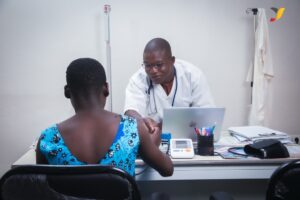
SDSR-Lab: for clear, inclusive, and tailored information on sexual and reproductive health and rights
Burkina Faso
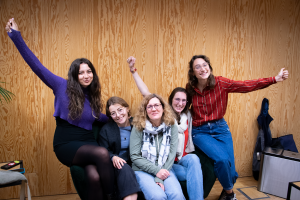
The Feminist Transnational Caravan (FTC)
Belgium
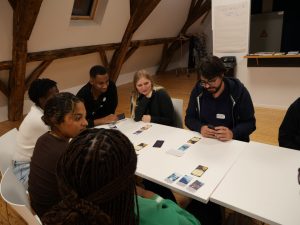
Campus in Action
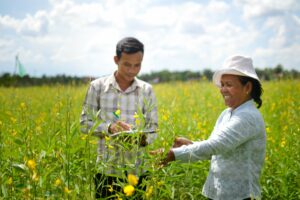
Agroecological and Safe Food System Transitions (ASSET)
Cambodia
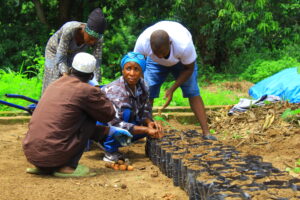
AGRI-VERT
Guinea
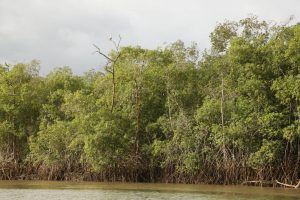
PROMAK – Nature Africa
Guinea
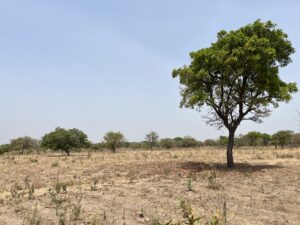
F-ProMAR
Benin
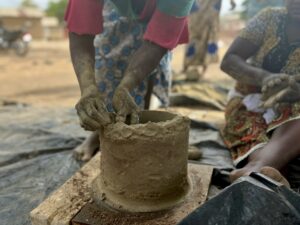
Women are taking action for the climate
Benin
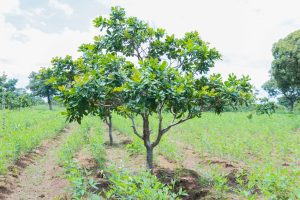
PARSAD
Benin | Burkina Faso
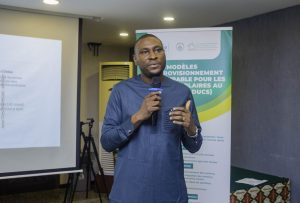
MALDUCS
Benin
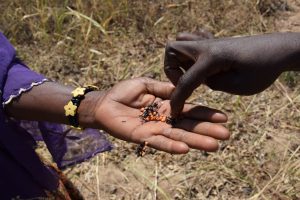
InESAD
Benin
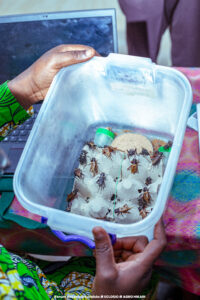
Insect4Benin
Benin
Bilateral Rural Solar
Benin
Mangal Festival
Benin
Promotion of Sustainable Food Systems (ProSAD)
Benin
Strengthening the Health System's Response and Resilience to the Mpox Epidemic in the DRC
Democratic Republic of the Congo
Cobalt, a social experiment in support of the SDGs
Belgium | Democratic Republic of the Congo
Kabongoye Campus
Senegal
Losses and damages Niowan Saloum
Senegal
PRD Cassava
Democratic Republic of the Congo
SIMFOR Project: Continuing education in healthcare through simulation
Democratic Republic of the Congo
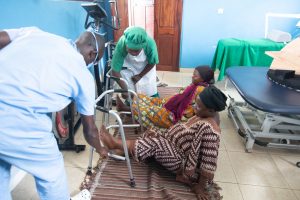
Health program: towards person-centered care in the DRC
Democratic Republic of the Congo
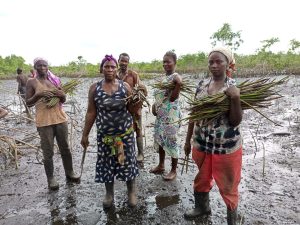
Baby boom: reforestation of the Mangrove Marine Park forests
Democratic Republic of the Congo
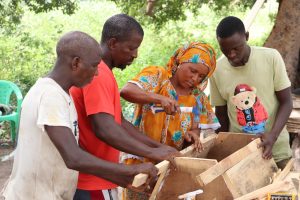
Modern Beekeeping Methods in Linkering and Sustainable Practices Project (MéLiPra)
Senegal
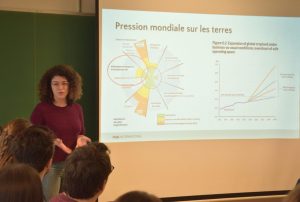
DJESA: raising awareness about food sovereignty
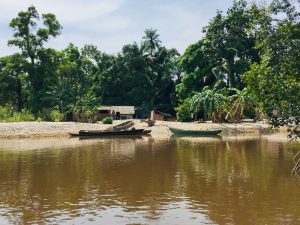
Sustainable food systems in the Democratic Republic of Congo
Democratic Republic of the Congo
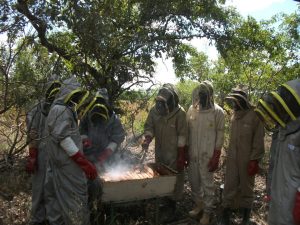 Projet clôturé
Sustainable food systems in Burkina Faso
Burkina Faso
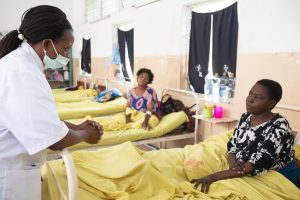
PARISS: Project to support the integrated strengthening of the health system in North Kivu
Democratic Republic of the Congo
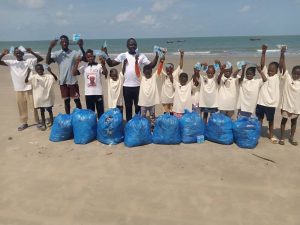
RACINE
Guinea
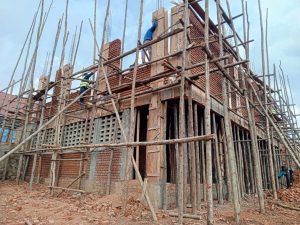
INFRA+: Improving infrastructure and working conditions in North Kivu and Ituri
Democratic Republic of the Congo
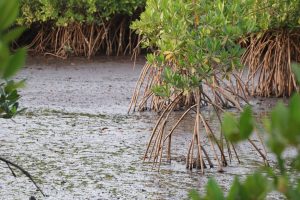
Sustainable management of mangrove ecosystems
Benin | Democratic Republic of the Congo | Guinea | Senegal
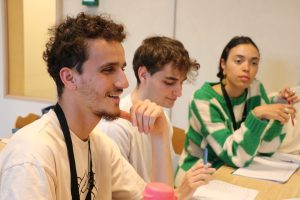
Cooperation Games
Belgium
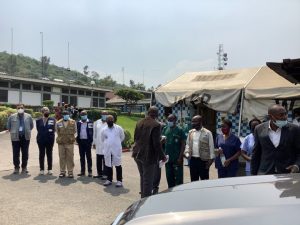
Support for the development of the North Kivu Provincial Hospital (HPNK+)
Democratic Republic of the Congo
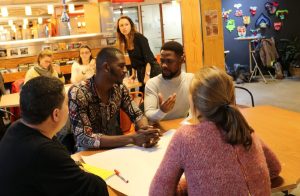
Education for global citizenship and solidarity (Uni4coop)
Belgium

Agroecological alliance for sustainable cashew production in Cambodia (CHANTI)
Cambodia
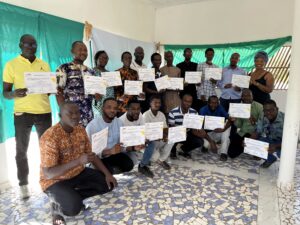
Service: Facilitation of workshops on agroecology and water management
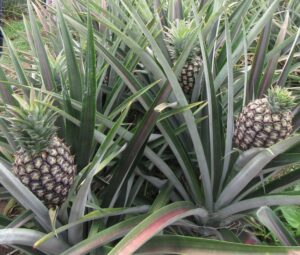
Supporting the agroecological transition of pineapple industry clusters through participatory approaches
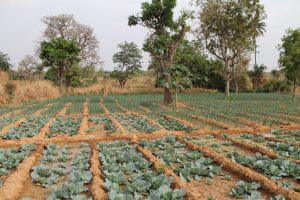
Training of trainers on climate-resilient agriculture
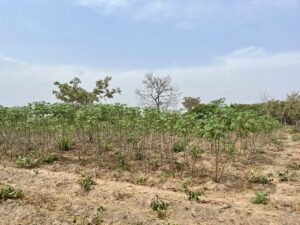
Training services in monitoring, evaluation, accountability, and learning (MEA&L)
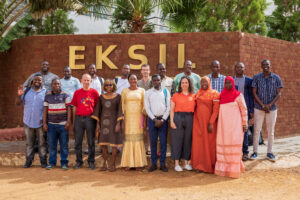
Organization of Learning and Practice Communities in an International Context
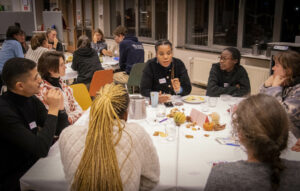
Papote et popote
Sustainable food systems and natural resource management in Senegal
Senegal
Global Opportunity Youth Network (GOYN)
Senegal
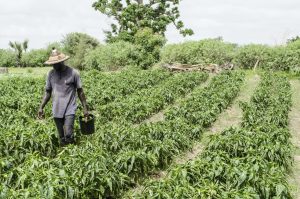
FAGARU Network
Senegal
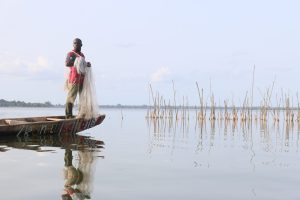
Kasofor: Resilience of island communities in Casamance in the face of climate change
Senegal
Initiative FIT
Senegal
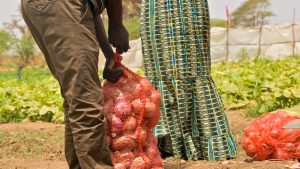
Project to support the improvement of productivity and competitiveness in the onion and potato sectors
Senegal
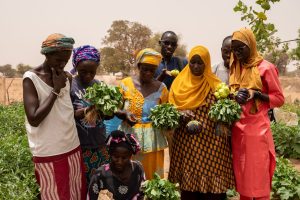
BioMicNet
Senegal
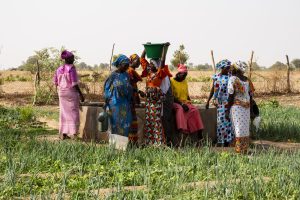
Women's Empowerment and Green Finance Project (PAFIV)
Senegal
MIPRO2
Senegal
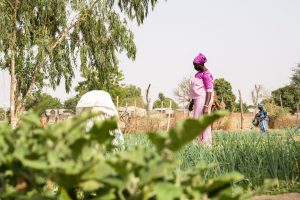
AfriNutriForest
Senegal
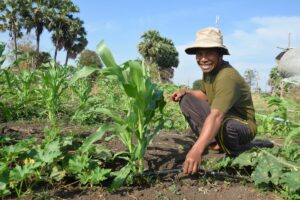
Partnership for Agroecology Transition, Networking, and Efficient Resilience (PArTNER)
Cambodia
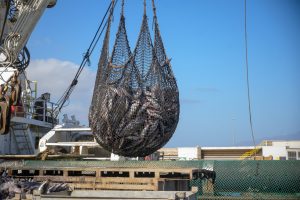
West Africa Sustainable Ocean Program (WASOP)
Benin | Burkina Faso | Guinea | Senegal
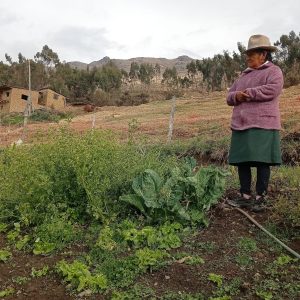
Promoting sustainable food systems through a human rights-based approach (impulSAD Peru)
Peru
Promoting sustainable food systems through a human rights-based approach (impulSAD Bolivia)
Bolivia
 Projet clôturé
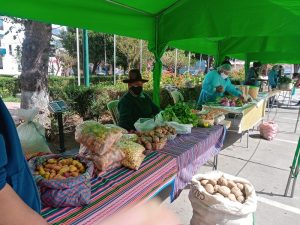
Food Systems, Market, and Water (SAMA)
Peru