 Projet clôturé
Nils Gevaert
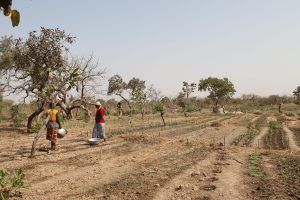
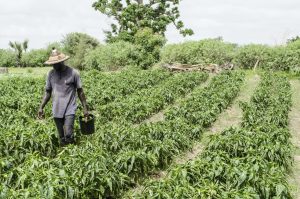
The sun still beats down on Senegalese fields in November: the peanut harvest takes place in abnormally hot weather coupled with dry winds, with farmers working among the few trees still standing, here a baobab, there an Acacia albida. Deforestation is visible to the naked eye, and although the end of the rainy season makes the countryside green, the onset of the dry season will give the landscape of this region a desolate air of advanced desertification. I have been doing an internship with the Association for the Promotion of Fertile Trees and Agroforestry (APAF for short) here in Diokhar in the Petite Côte region for a month now. Let me introduce myself: I am a master’s student in Population and Development Sciences at the ULB, and it is under the auspices of ULB-Coopération that I find myself here, in the heart of the Senegalese Sahel.
After a month of reflection on how I could contribute here, as well as on-the-ground support from Nicolas Sarr, the agroforestry manager for the Diokhar area, I am now familiar with the association and its activities. But what are they? Agroforestry involves combining vegetable farming with tree planting to create a better symbiosis between plants, trees, soil, and water: in short, it means combining the planting of fertilizer trees, fruit trees, and vegetables in a field to combat the drought and food insecurity that affect this part of Africa.
Our daily routine during October consisted of transporting fertile trees to new fields, supervising plots being planted, and holding numerous meetings with villagers, farmers, and APAF Senegal officials.
At the end of October, I traveled to Mbour with the entire APAF team to review my work. It was then decided that I would participate in the territorial assessment initiated by Marine Protte Rieg, a French intern who had already mapped the Diokhar area, the association’s main area of activity. Mr. Mansour Ndiaye, executive president of APAF Senegal, has the dream and the will to make Diokhar the first ecovillage created by the association: in addition to the activities already accomplished through agroforestry, the project aims to support actions related to health, green energy, food security, and education to improve the lives of the inhabitants of this area. It is in this context that I have been conducting a socio-economic survey over the past few days to better determine, together with the villagers, the actions that will be relevant to meet their needs. Each interview is conducted with a head of household, sometimes accompanied by other family members, to gather information about their agricultural, pastoral, and economic activities. In a second stage, the villagers express their wishes for the future ecovillage.
The inhabitants of Diokhar are all extremely motivated, which is why the village is a pilot area for APAF’s new ideas (anti-erosion barriers, rotational grazing, eco-villages, and many others). One of the strengths of this project is the cooperation between the administrative, academic, religious, and private representatives who are involved, something that is so rare in an initiative such as this. Strong social cohesion, a hard-working village agroforestry committee, and women’s economic interest groups ready to get to work are all positive factors for the success of this project.
No dark clouds on the horizon, you might ask? Unfortunately, yes. The region is extremely dry and the lack of water is clearly felt. Theft of livestock and equipment is sadly commonplace, and a highway project threatens to destroy existing agroforestry fields… But as a farmer pointed out to me today: “We want to work and we have confidence in APAF”… So we remain touchingly optimistic here in Diokhar and, despite a few difficulties, the ecovillage project has every chance of succeeding, thanks to motivated villagers and an association that is doing exceptional work. “We’re in this together,” as they say. And we’re keeping smiling.
Nils Gevaert, intern
The projects
Projet clôturé Projet clôturé
Agroecology Gardens for the Future
Cambodia
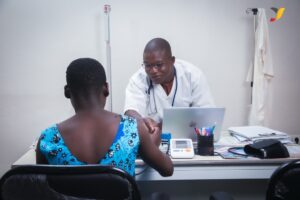
SDSR-Lab: for clear, inclusive, and tailored information on sexual and reproductive health and rights
Burkina Faso
The Feminist Transnational Caravan (FTC)
Belgium
Campus in Action
Agroecological and Safe Food System Transitions (ASSET)
Cambodia
AGRI-VERT
Guinea
PROMAK – Nature Africa
Guinea
F-ProMAR
Benin
Women are taking action for the climate
Benin
PARSAD
Benin | Burkina Faso
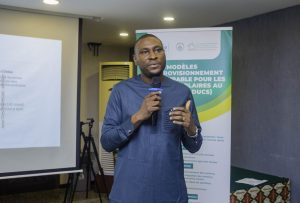
MALDUCS
Benin
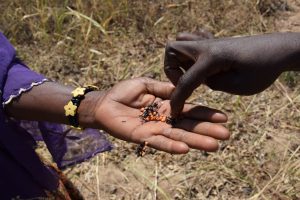
InESAD
Benin
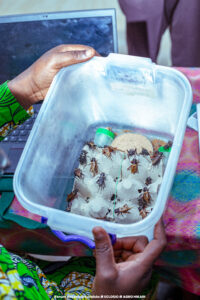
Insect4Benin
Benin
Bilateral Rural Solar
Benin
Mangal Festival
Benin
Promotion of Sustainable Food Systems (ProSAD)
Benin
Strengthening the Health System's Response and Resilience to the Mpox Epidemic in the DRC
Democratic Republic of the Congo
Cobalt, a social experiment in support of the SDGs
Belgium | Democratic Republic of the Congo
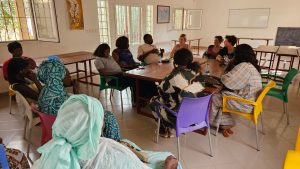
Kabongoye Campus
Senegal
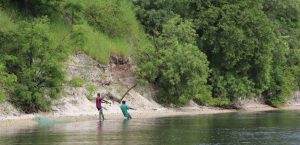
Losses and damages Niowan Saloum
Senegal
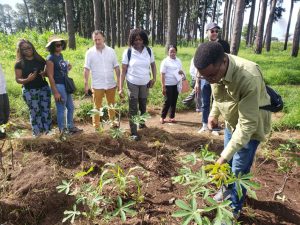
PRD Cassava
Democratic Republic of the Congo
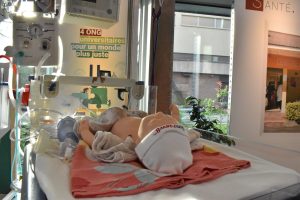
SIMFOR Project: Continuing education in healthcare through simulation
Democratic Republic of the Congo
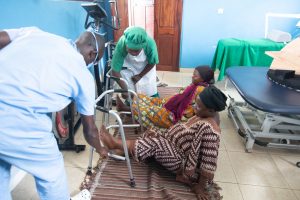
Health program: towards person-centered care in the DRC
Democratic Republic of the Congo
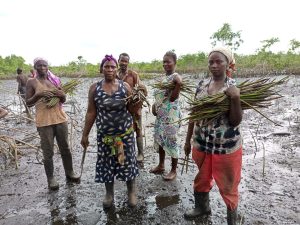
Baby boom: reforestation of the Mangrove Marine Park forests
Democratic Republic of the Congo
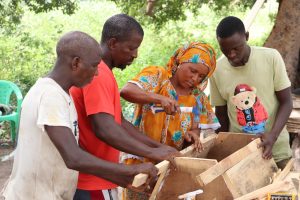
Modern Beekeeping Methods in Linkering and Sustainable Practices Project (MéLiPra)
Senegal
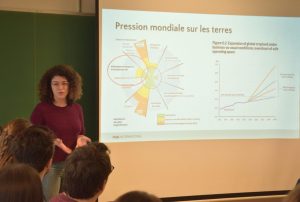
DJESA: raising awareness about food sovereignty
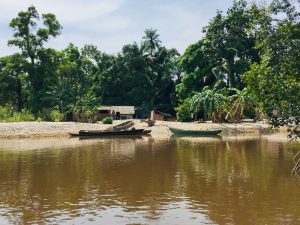
Sustainable food systems in the Democratic Republic of Congo
Democratic Republic of the Congo
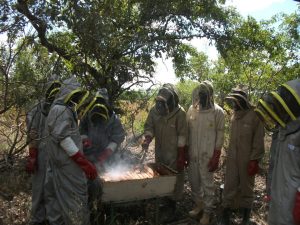 Projet clôturé
Sustainable food systems in Burkina Faso
Burkina Faso
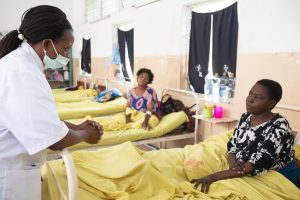
PARISS: Project to support the integrated strengthening of the health system in North Kivu
Democratic Republic of the Congo
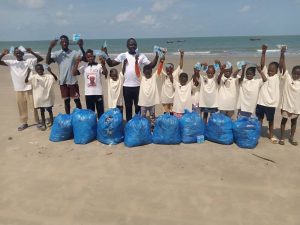
RACINE
Guinea
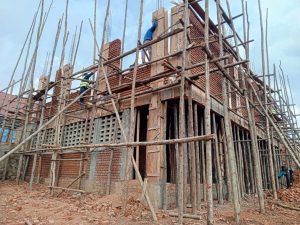
INFRA+: Improving infrastructure and working conditions in North Kivu and Ituri
Democratic Republic of the Congo
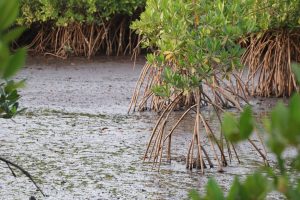
Sustainable management of mangrove ecosystems
Benin | Democratic Republic of the Congo | Guinea | Senegal
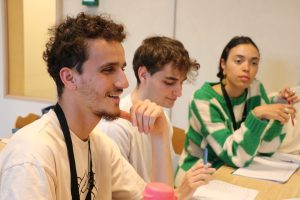
Cooperation Games
Belgium
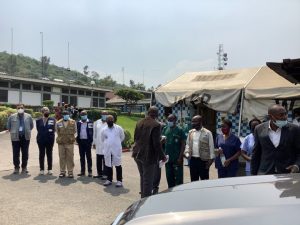
Support for the development of the North Kivu Provincial Hospital (HPNK+)
Democratic Republic of the Congo
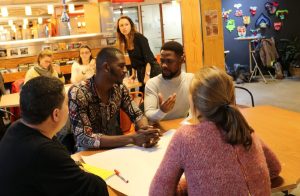
Education for global citizenship and solidarity (Uni4coop)
Belgium
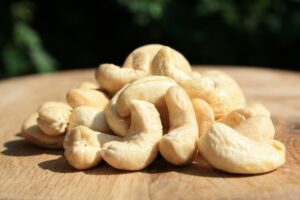
Agroecological alliance for sustainable cashew production in Cambodia (CHANTI)
Cambodia
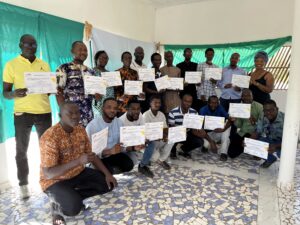
Service: Facilitation of workshops on agroecology and water management
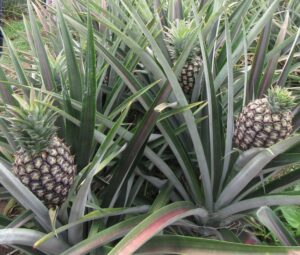
Supporting the agroecological transition of pineapple industry clusters through participatory approaches
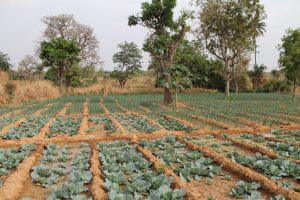
Training of trainers on climate-resilient agriculture
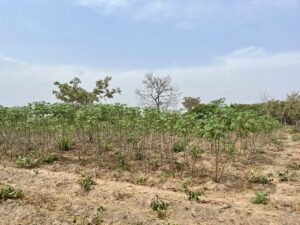
Training services in monitoring, evaluation, accountability, and learning (MEA&L)
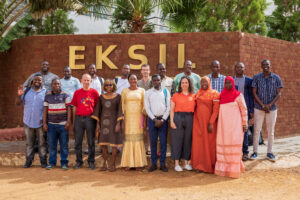
Organization of Learning and Practice Communities in an International Context
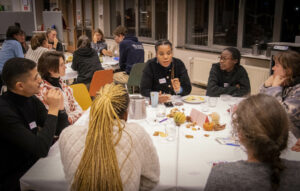
Papote et popote
Sustainable food systems and natural resource management in Senegal
Senegal
Global Opportunity Youth Network (GOYN)
Senegal
FAGARU Network
Senegal
Kasofor: Resilience of island communities in Casamance in the face of climate change
Senegal
Initiative FIT
Senegal
Project to support the improvement of productivity and competitiveness in the onion and potato sectors
Senegal
BioMicNet
Senegal
Women's Empowerment and Green Finance Project (PAFIV)
Senegal
MIPRO2
Senegal
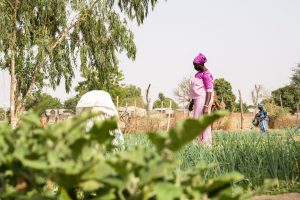
AfriNutriForest
Senegal
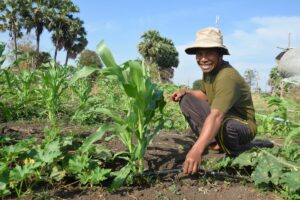
Partnership for Agroecology Transition, Networking, and Efficient Resilience (PArTNER)
Cambodia
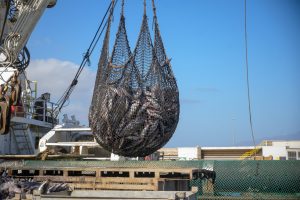
West Africa Sustainable Ocean Program (WASOP)
Benin | Burkina Faso | Guinea | Senegal
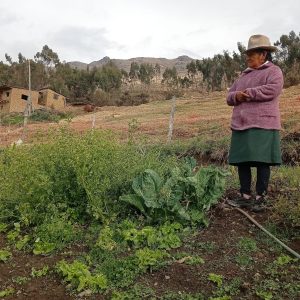
Promoting sustainable food systems through a human rights-based approach (impulSAD Peru)
Peru
Promoting sustainable food systems through a human rights-based approach (impulSAD Bolivia)
Bolivia
 Projet clôturé
Food Systems, Market, and Water (SAMA)
Peru