 Projet clôturé
Denise Brogneaux
September 2018: That’s it, I’m starting my final year of university! Right from the start, the classroom is filled with reminders like “Don’t forget to hand in your internship documents!” and “Time is running out, your thesis isn’t going to write itself!” So… where to start? First, I need to find an internship. Since attending that course on NGOs last year, I’ve been wondering whether the world of development cooperation is right for me. Then I hear about ULB-Coopération, the ULB’s NGO. I see that they are looking for communications interns and decide to take the plunge by sending my resume and a cover letter.
After receiving a positive response, I find myself on a train to Brussels and then at the office, where everyone gives me a warm welcome: “Hi, I’m Julie. You can call me Julie, everyone here is on first-name terms!” The weekly team meeting is about to begin. I meet the rest of the team; there is a good mood and a relaxed atmosphere in the office. I join the communications team, where they explain the various projects in progress and the tasks I will be required to perform.
From the outset, two aspects particularly appealed to me. First, the fact that I was involved in the team from day one, which is not always the case when you are an intern. Every Monday, the communications team meets with the civic, global, and solidarity education team (ECMS) to discuss the work that has been done and the new projects they plan to carry out in the future. Each member takes part in the meeting and expresses their point of view on the topics discussed. All opinions, even those of interns, are taken into account. Initiative is welcomed, which creates a great harmony within the team and allows us to move forward together and efficiently on projects. Another aspect that I found interesting was the diversity of the tasks I had to perform. Between proofreading articles for the newsletter, communication plans, social media communication, and translations, there’s certainly no room for monotony at ULB-Coopération! On top of all that, I had the opportunity to participate in various workshops related to development cooperation and to contribute to the organization of events organized by the NGO. I never had time to get bored, and every week my to-do list was full of tasks, each one more varied than the last.
In addition to this active and diverse participation, this internship allowed me to learn more about the world of cooperation. And it is much more complex than it seems! NGOs are real agents of change. They are considered civil society organizations, working with a variety of partners, but also with a certain degree of autonomy. These four points constitute the basic principles for achieving sustainable development goals (for North-South cooperation). There are different sectors of activity within NGOs: health, the environment, humanitarian rights, etc., which means that NGOs are made up of different units, each with a specific role. It is therefore important to specialize in one or more areas in order to work in this field, as well as to have experience in the field. Furthermore, an NGO can only function if it has the necessary funds, so it is essential to find sources of income to ensure that various projects can be implemented. This is why, in most cases, Belgian NGOs work with donors and with the DGD (Directorate-General for Development Cooperation and Humanitarian Aid, Belgian federal administration).
It has now been a few months since I knocked on the door of these offices, and my internship is slowly coming to an end. I would say that this experience has taught me a great deal, both professionally and personally. It has allowed me to step outside my comfort zone and learn to be flexible and open-minded. It has allowed me to be part of a dynamic team full of joie de vivre. Finally, it has opened my eyes to the world of development cooperation, which reinforces my belief that this is the path I want to take in the future…
The projects
Projet clôturé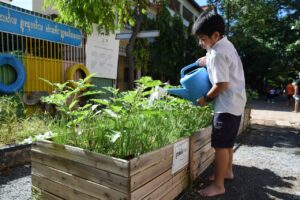 Projet clôturé
Agroecology Gardens for the Future
Cambodia
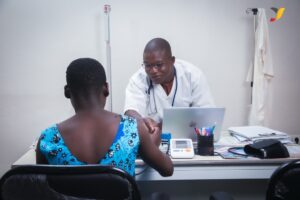
SDSR-Lab: for clear, inclusive, and tailored information on sexual and reproductive health and rights
Burkina Faso
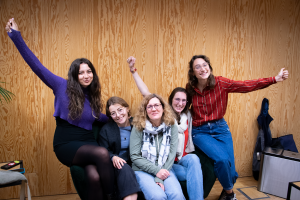
The Feminist Transnational Caravan (FTC)
Belgium
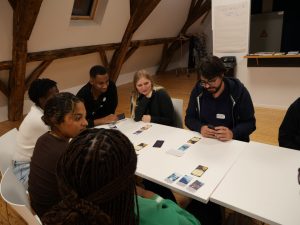
Campus in Action
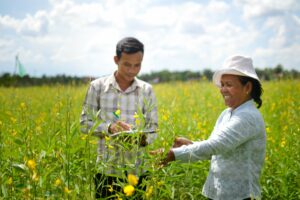
Agroecological and Safe Food System Transitions (ASSET)
Cambodia
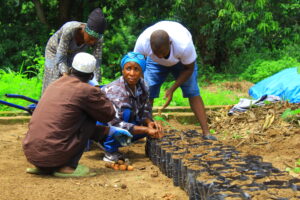
AGRI-VERT
Guinea
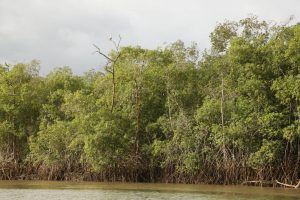
PROMAK – Nature Africa
Guinea
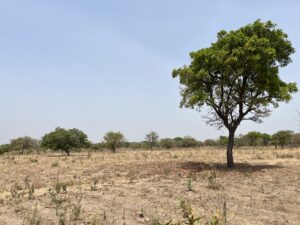
F-ProMAR
Benin
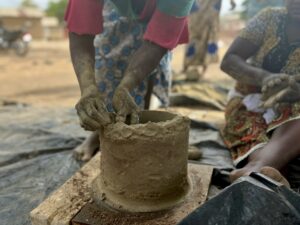
Women are taking action for the climate
Benin
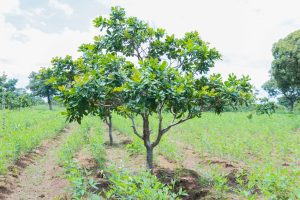
PARSAD
Benin | Burkina Faso
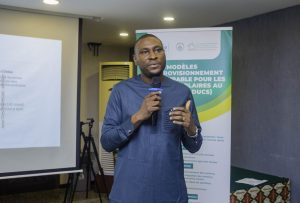
MALDUCS
Benin
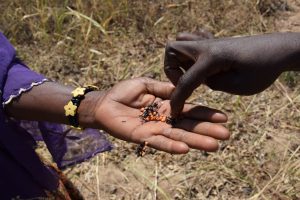
InESAD
Benin
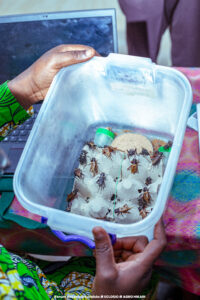
Insect4Benin
Benin
Bilateral Rural Solar
Benin
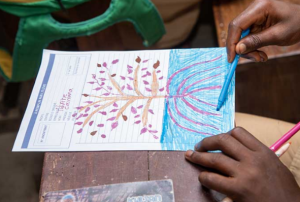
Mangal Festival
Benin
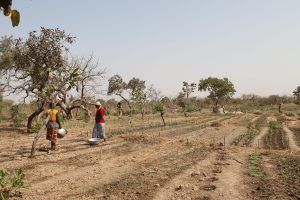
Promotion of Sustainable Food Systems (ProSAD)
Benin
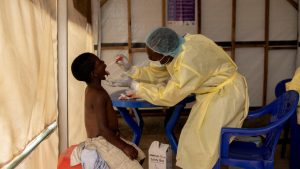
Strengthening the Health System's Response and Resilience to the Mpox Epidemic in the DRC
Democratic Republic of the Congo
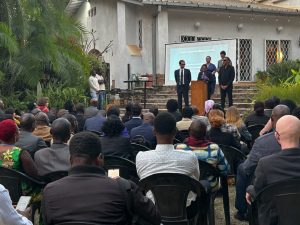
Cobalt, a social experiment in support of the SDGs
Belgium | Democratic Republic of the Congo
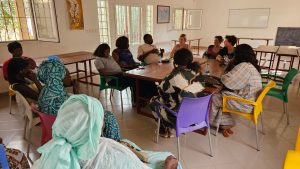
Kabongoye Campus
Senegal
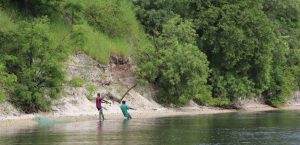
Losses and damages Niowan Saloum
Senegal
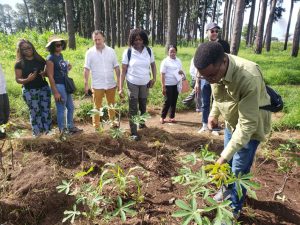
PRD Cassava
Democratic Republic of the Congo
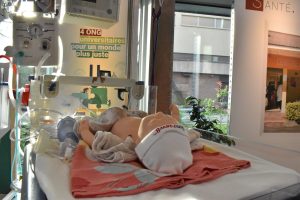
SIMFOR Project: Continuing education in healthcare through simulation
Democratic Republic of the Congo
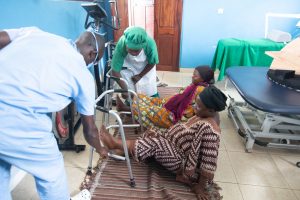
Health program: towards person-centered care in the DRC
Democratic Republic of the Congo
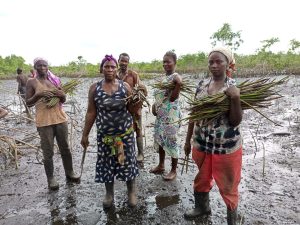
Baby boom: reforestation of the Mangrove Marine Park forests
Democratic Republic of the Congo
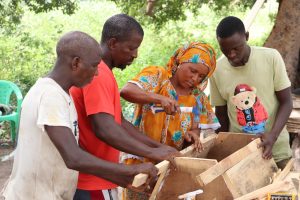
Modern Beekeeping Methods in Linkering and Sustainable Practices Project (MéLiPra)
Senegal
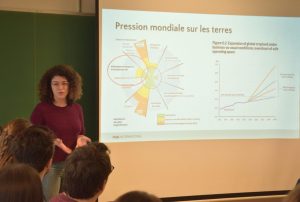
DJESA: raising awareness about food sovereignty
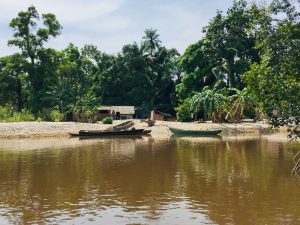
Sustainable food systems in the Democratic Republic of Congo
Democratic Republic of the Congo
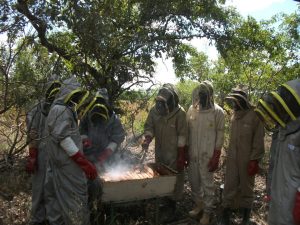 Projet clôturé
Sustainable food systems in Burkina Faso
Burkina Faso
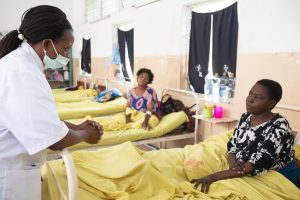
PARISS: Project to support the integrated strengthening of the health system in North Kivu
Democratic Republic of the Congo
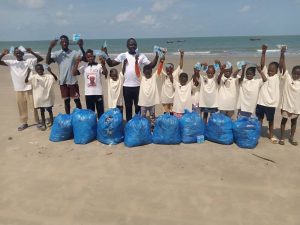
RACINE
Guinea
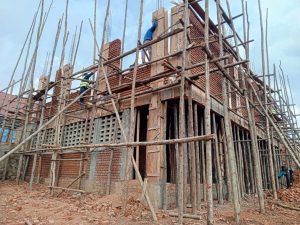
INFRA+: Improving infrastructure and working conditions in North Kivu and Ituri
Democratic Republic of the Congo
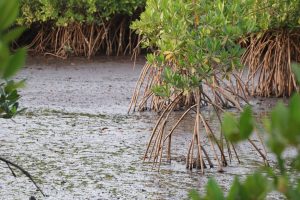
Sustainable management of mangrove ecosystems
Benin | Democratic Republic of the Congo | Guinea | Senegal
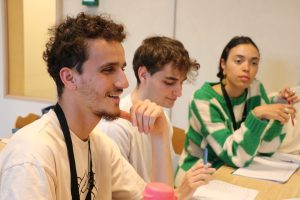
Cooperation Games
Belgium
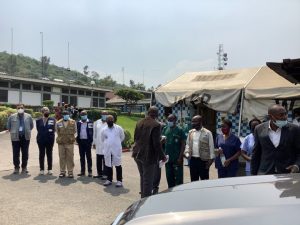
Support for the development of the North Kivu Provincial Hospital (HPNK+)
Democratic Republic of the Congo
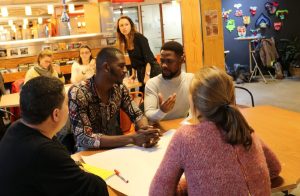
Education for global citizenship and solidarity (Uni4coop)
Belgium

Agroecological alliance for sustainable cashew production in Cambodia (CHANTI)
Cambodia
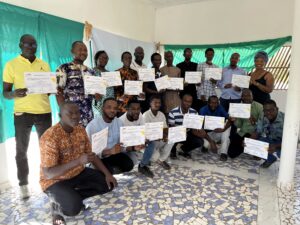
Service: Facilitation of workshops on agroecology and water management
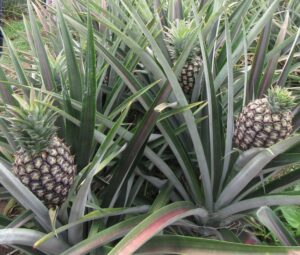
Supporting the agroecological transition of pineapple industry clusters through participatory approaches
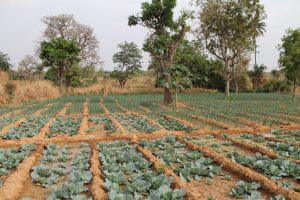
Training of trainers on climate-resilient agriculture
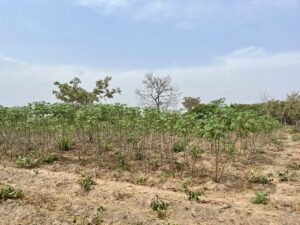
Training services in monitoring, evaluation, accountability, and learning (MEA&L)
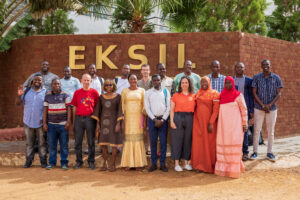
Organization of Learning and Practice Communities in an International Context
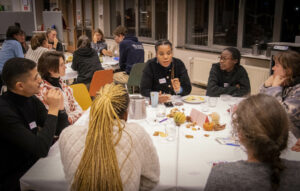
Papote et popote
Sustainable food systems and natural resource management in Senegal
Senegal
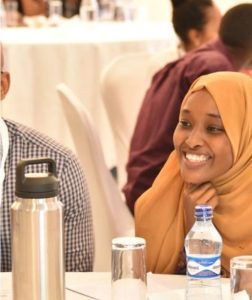
Global Opportunity Youth Network (GOYN)
Senegal
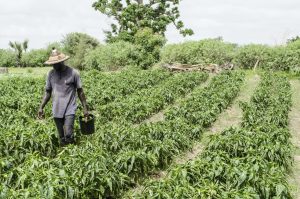
FAGARU Network
Senegal
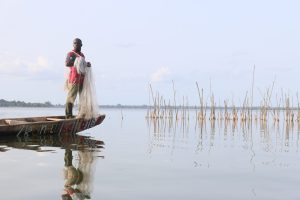
Kasofor: Resilience of island communities in Casamance in the face of climate change
Senegal
Initiative FIT
Senegal
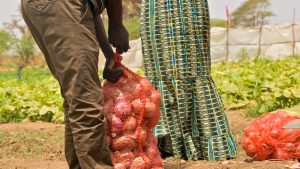
Project to support the improvement of productivity and competitiveness in the onion and potato sectors
Senegal
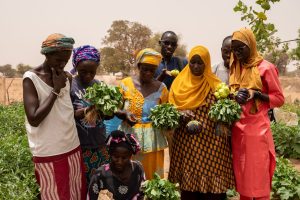
BioMicNet
Senegal
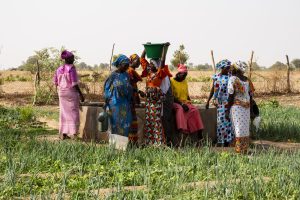
Women's Empowerment and Green Finance Project (PAFIV)
Senegal
MIPRO2
Senegal
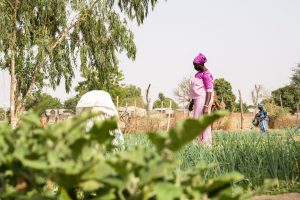
AfriNutriForest
Senegal
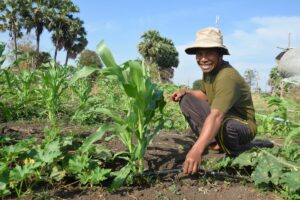
Partnership for Agroecology Transition, Networking, and Efficient Resilience (PArTNER)
Cambodia
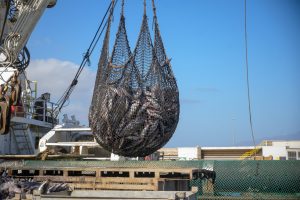
West Africa Sustainable Ocean Program (WASOP)
Benin | Burkina Faso | Guinea | Senegal
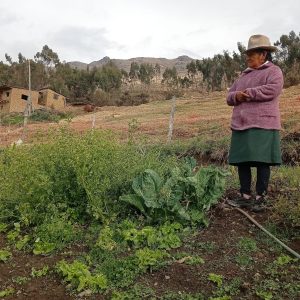
Promoting sustainable food systems through a human rights-based approach (impulSAD Peru)
Peru
Promoting sustainable food systems through a human rights-based approach (impulSAD Bolivia)
Bolivia
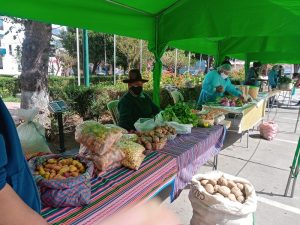 Projet clôturé
Food Systems, Market, and Water (SAMA)
Peru