InESAD
In a context marked by the growing impact of intensive agriculture on human health, biodiversity, and soil quality, the transition to sustainable food systems is becoming a priority. The widespread use of chemical fertilizers and pesticides is a key issue, both in terms of the environment and health. The Mono department in Benin is particularly affected by these issues. In response to these challenges, agroecology is emerging as a viable and promising alternative. This approach, which promotes the use of agricultural techniques that respect the environment and natural resources, can help restore soil fertility, protect biodiversity, and improve the quality of agricultural products. In addition, agroecology promotes the autonomy of producers by reducing their dependence on costly and often imported chemical inputs. It is with this in mind that the project proposes an inclusive and participatory approach aimed at raising awareness and engaging a diversity of actors around the issues of chemical fertilizers and pesticides, while promoting the co-construction of environmentally friendly agricultural practices.
Our action
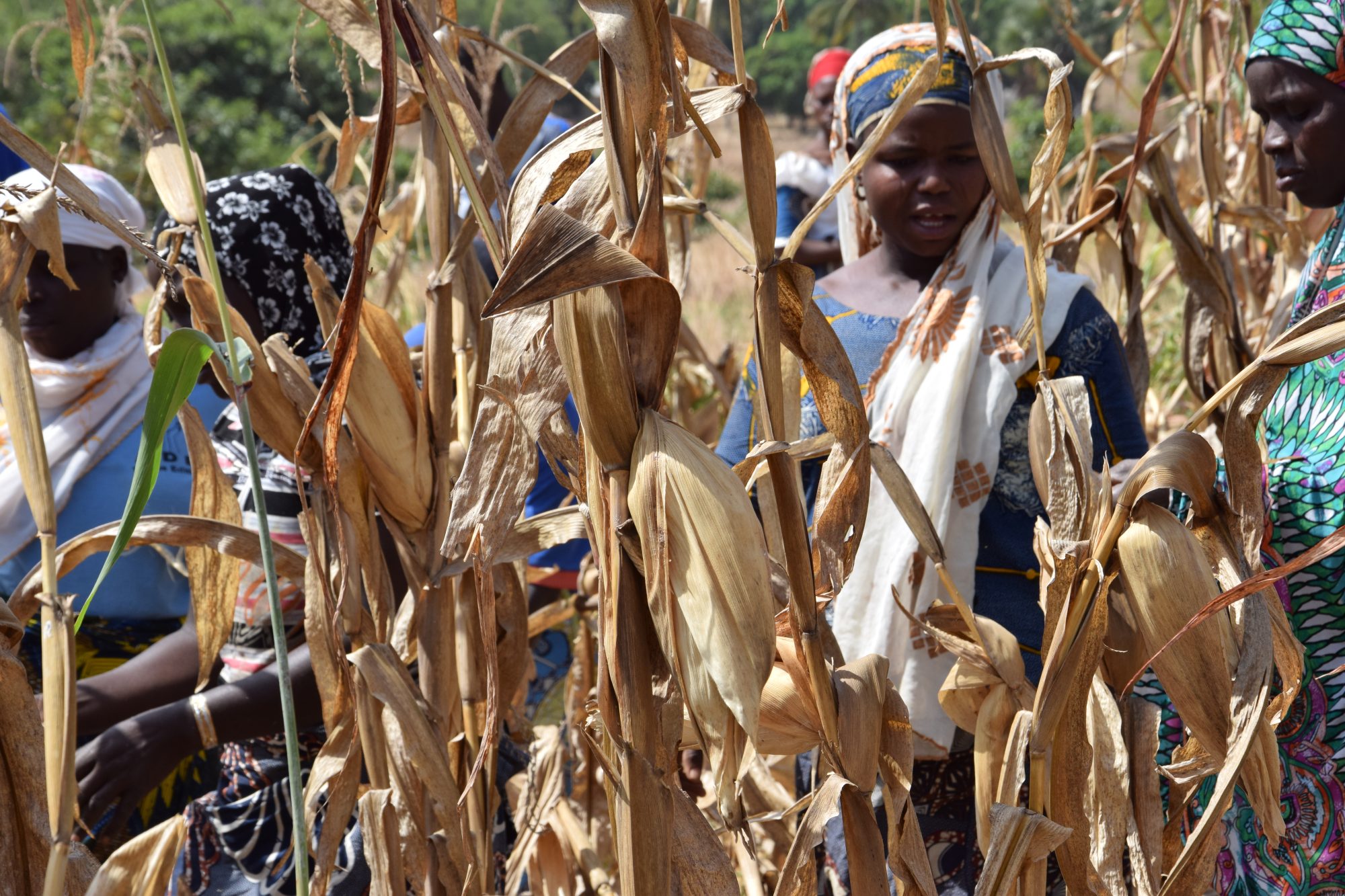
This project aims to raise awarenessamong a wide range of stakeholders—farmers, students, journalists, and consumers—about the issues surrounding the use of chemical fertilizers and pesticides, with the goal of strengthening their capacities and fostering a collective movement toward more sustainable agricultural practices. It aims to promote the adoption of agroecological methods and the consumption of organic or sustainable agricultural products by local populations. The project’s multisectoral approach involves a diverse range of stakeholders, thereby fostering a shared understanding of issues related to food sustainability. By focusing on training, networking, and collaboration, the project seeks to create lasting awareness-raising channels and establish sustainable synergy between the various actors, contributing to the emergence of a genuine ecosystem of responsible agricultural practices in the Mono department.
Target audience
- Direct:
- Producers
- Platforms
- Students
- Journalists
- consumers
- Indirect:
- Local communities
Summary
- Project duration:October 2024–December 2025
- Project area: Mono Department, particularly the municipalities of Comè, Grand Popo, Houeyogbé, Athiemé, and Lokossa.
- Partner(s): National Association of Corn Producers (ANPM)