AfriNutriForest
Agroforestry reinvented: agroecological and nutrition-sensitive intensification of vegetable production under fruit trees in West and East Africa
Background
Current horticultural production systems generally consist of monoculture fruit and vegetable crops, requiring significant manual labor and intensive use of costly external inputs such as mineral fertilizers and pesticides, which can have negative effects on health and the environment.
The implementation of agroforestry systems, combining numerous tree and crop areas on the same plot, helps to address global challenges related to climate change, biodiversity loss, and persistent problems of malnutrition and undernourishment, particularly in sub-Saharan Africa.
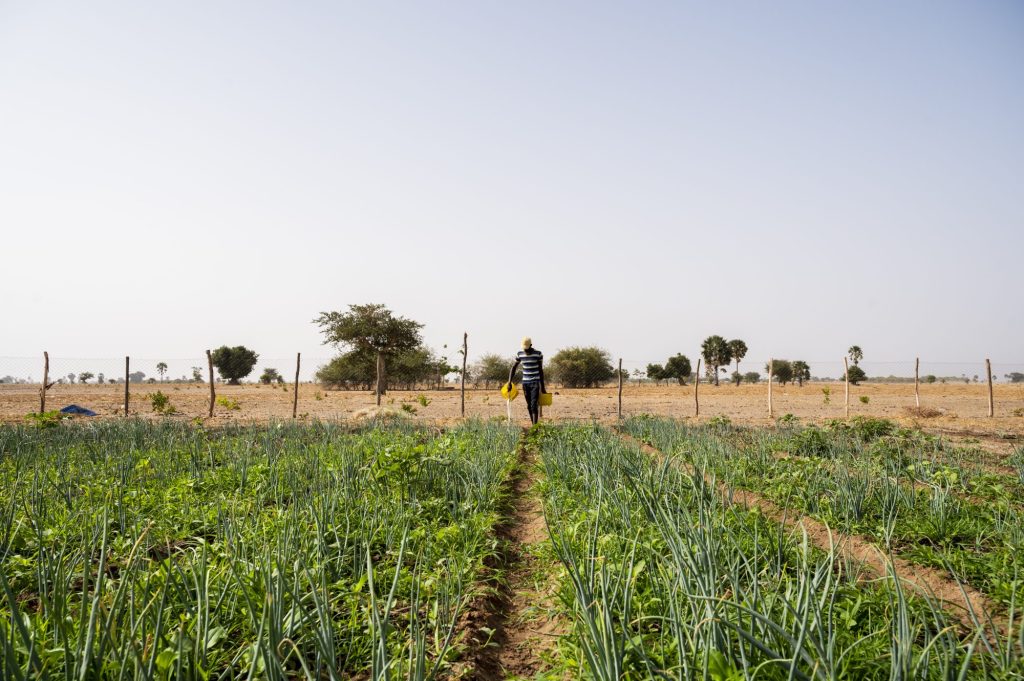
The regions in which the project is being implemented face problems related to water quality—with the phenomenon of groundwater salinization—soil depletion, excessive use of pesticides and chemical fertilizers, the proliferation of diseases and pests, low diversification, and limited access to technologies and factors of production, especially for women and young people.
Financial partners
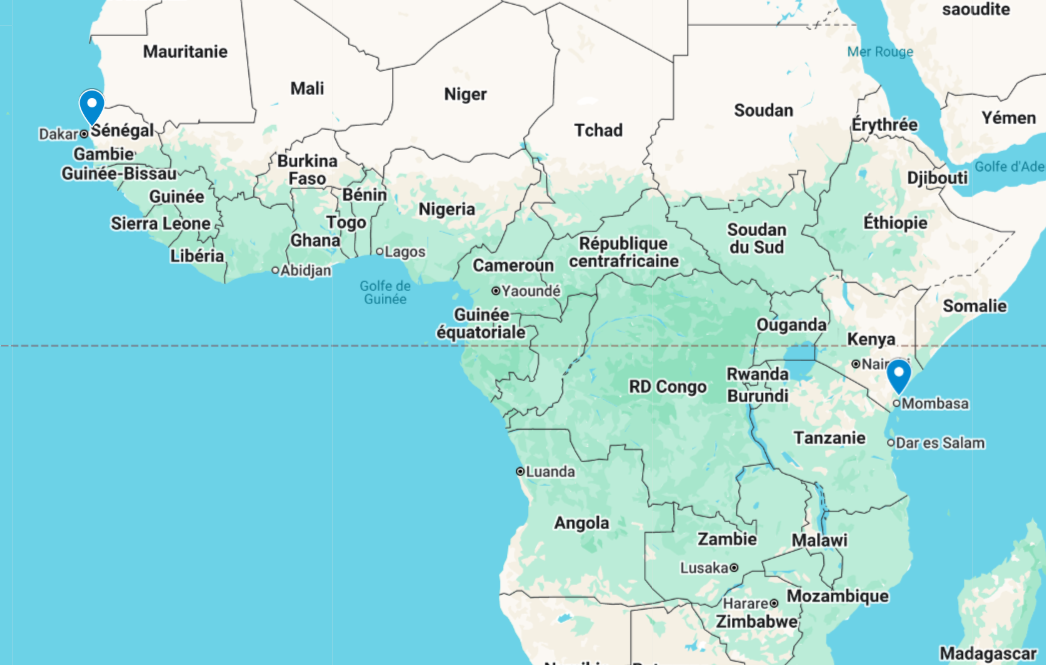
Location
Coastal regions of Senegal (Niayes) and Kenya (Kilifi)
Sustainable Development Goals (SDGs)

Our action
This project aims to develop, test, and promote sustainable and innovative agroforestry horticultural systems—arbo-market gardeners—that produce healthy fruits and vegetables in an agroecological manner for diversified diets, climate-resilient processed food systems, and improved livelihoods.
The project will be implemented in certain coastal regions of Senegal and Kenya that face several challenges in the field of horticulture:
- Problems related to the intensity of manual labor and water scarcity are addressed through technological innovations (i.e., small-scale mechanization and irrigation devices powered by solar energy).
- Social innovations will address knowledge gaps by linking scientific and practical and traditional knowledge systems through digital products and building capacity through intergenerational co-learning and science-practice dialogues.
Ultimately, this project will contribute to improving food and nutritional security, generating income for smallholder farming households, and including young farmers by creating innovative employment opportunities, which the project calls “solarpreneur- and horti-ecopreneurship,” through the adoption of technological and social innovations in arboriculture and market gardening.-African, organizing meetings and training for young researchers, and supporting cooperation between the various actors involved in coastal areas in West Africa (Collectif 5 Deltas, Collectif des Deltas du Golfe du Bénin). These initiatives will thus improve the management of marine protected areas and strengthen the resilience of coastal communities through shared knowledge.
Operational partners
- Consortium of partners in Senegal:
- Kenya:
- Germany
Budget
1.015.108 €
Duration
3 years: April 1, 2024 – March 31, 2027
Related publications
Related news
Aucun article trouvé.