BioMicNet
BioMicNet is a Research and Development Project (RDP) aimed at facilitating the production of a biofertilizer based on mycorrhizal fungi throughout Senegal.
Background
In Senegal’s Peanut Basin, 90% of rural households live below the national poverty line. Farmers in the region often struggle to produce enough to meet their needs and earn a stable income. They face many challenges, including climate change, soil degradation due to agricultural overexploitation, desertification, difficulties in accessing means of production, population growth, and biodiversity loss.
To address these challenges, between 2020 and 2021, Eclosio, the University of Liège (Gembloux Agro-Bio Tech faculty), IRD, Cheikh Anta Diop University, and the Jambaar Association of Ngoye worked together on an action research project aimed at supporting a local biofertilizer industry and assisting with the large-scale transition to decentralized production of mycorrhizal fungi[1] in the Northern Peanut Basin. This agricultural innovation has enabled the region to benefit from a natural, low-cost and environmentally friendly fertilizer.
[1] Mycorrhizal fungi: fungi capable of forming associations with plant roots.
Financial partner
Documentary recounting the action research carried out between 2021 and 2023
Sustainable Development Goals (SDGs)


Our action
The success of this initial project secured funding for a new Research and Development Project (RDP), financed by ARES, to further this research and, ultimately, facilitate the production of this biofertilizer at the national level.
This PRD will include three doctoral theses, carried out by Senegalese students:
- a sociology thesis, aiming to highlight the levers available within the local population.
- a thesis in agronomy, to assess whether other local strains of mycorrhiza, not yet tested, might be better suited to the project, and to measure their yield on different crops and soil types.
- a microbiology thesis exploring soil biodiversity and how the effects of inoculum[1] could be multiplied.
An economic feasibility study of inoculum production units will also be carried out by bachelor’s and master’s students.
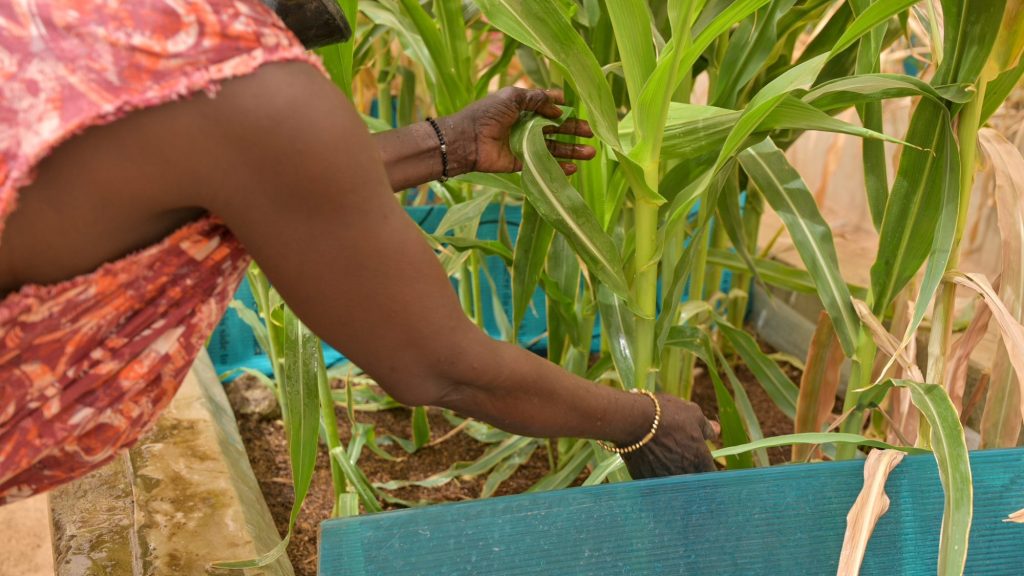
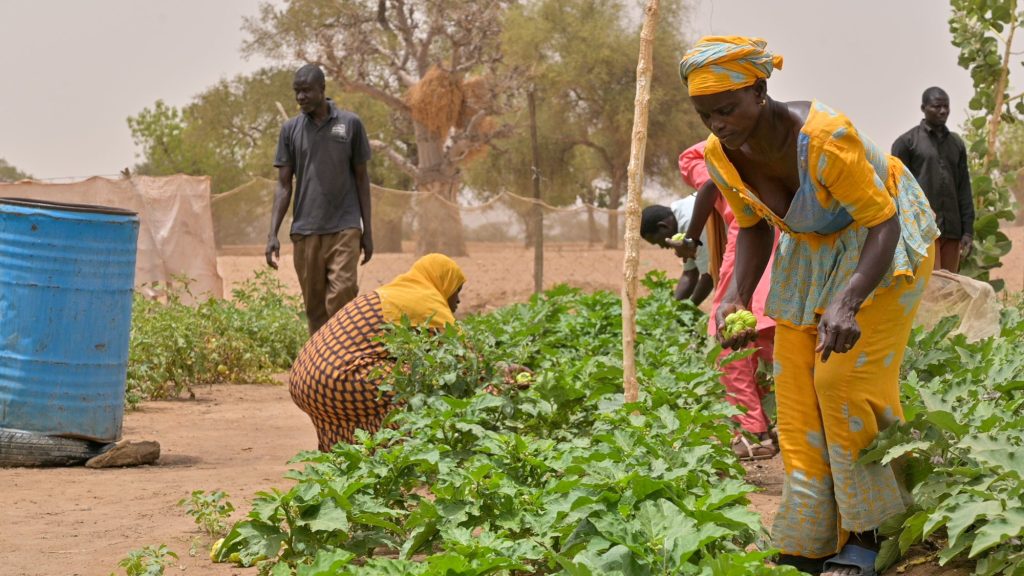
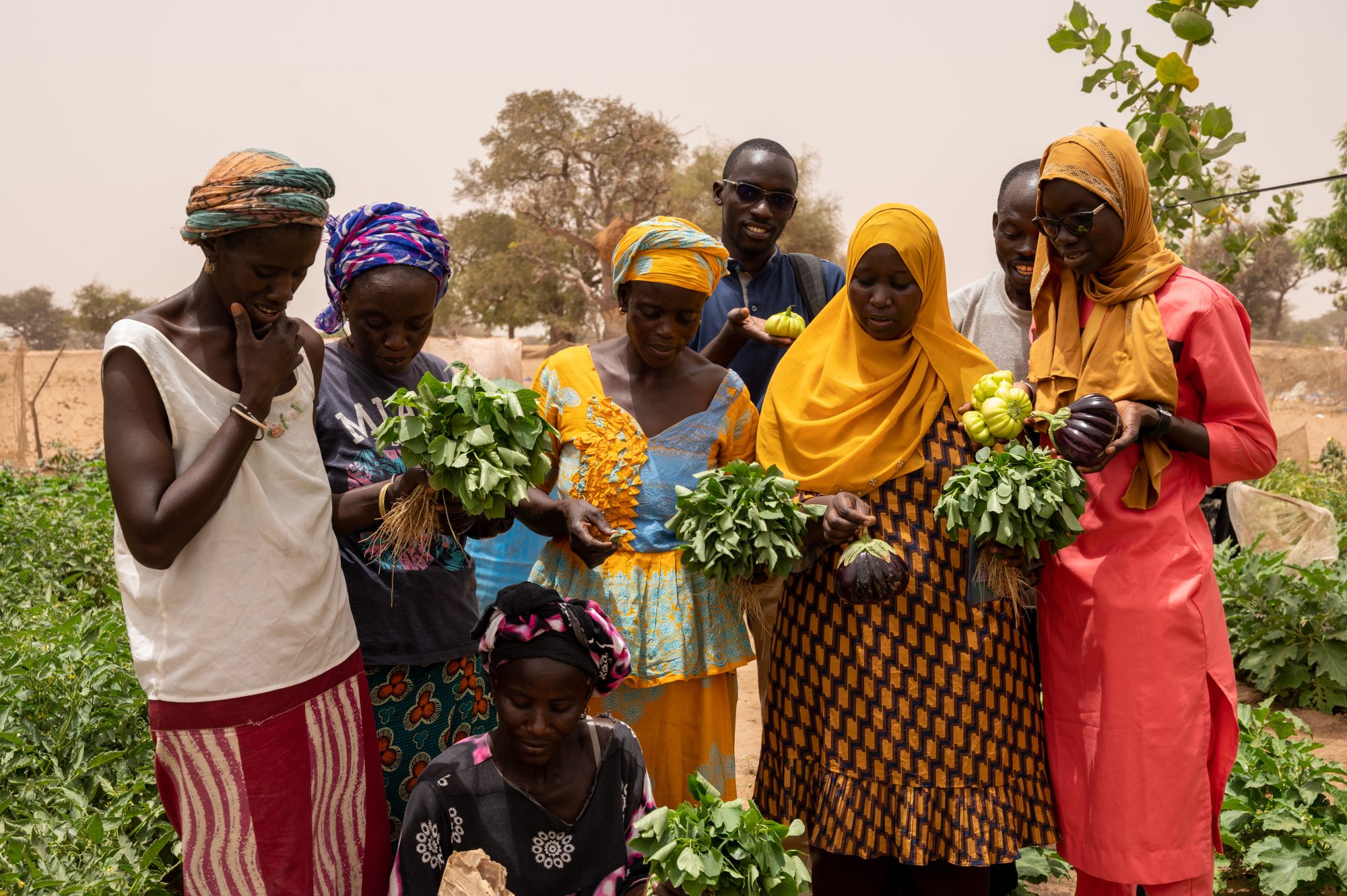
Ucoopia is particularly involved in disseminating and sharing the results of this research. The NGO has set up Champs-Ecole Paysans (CEP) farms, which are training and demonstration sites for inoculants. These are managed by local farmers, who are selected locally and trained and supported by Eclosio throughout the process. Exchange visits and workshops are organized to promote and share experiences gained in the production and use of inoculants.
[1] Inoculum (plural: inocula): microorganisms that, once attached to a substrate, multiply and enrich the substrate, which becomes a fertilizer.
Operational partners
Budget
499.435 €
Duration
2023–2027
More information about the project:
- Article “En pleine terre” (In the open ground) from the periodical “Le Quinzième Jour” published by ULiège
- Documentary “High-quality biofertilizers for fertile soil,” produced by Eclosio, which traces the action research conducted between 2021 and 2023 (duration: 17 min)
- A short video presentation, produced in 2022 (duration: 4 min 30 sec)
- Project sheet for “Synergie inoculum,“ the origin of the BioMichNet project
Related news
Aucun article trouvé.