Sustainable food systems in the Democratic Republic of Congo
Background
In the Democratic Republic of Congo, as in many countries around the world, the relationship between humans and their environment raises many questions. While climate change and energy issues are the focus of attention in Europe, the Congolese population is experiencing other aspects of this issue.
This is true of the essential balance that must be struck between preserving protected areas and meeting the basic needs of the communities that live nearby: how can we ensure the conservation of the biosphere while guaranteeing access to food, wood, and potential sources of income in rural areas where economic opportunities are extremely limited?
To reduce pressure on natural resources while developing viable alternatives with communities, Ucoopia (formerly ULB-Coopération) has implemented a systemic approach to integrated land management with its partners.
Financial partner

Location
In the Democratic Republic of Congo, Ucoopia’s (formerly ULB-Coopération) integrated land management projects are mainly focused on two protected areas (PAs): the Luki Biosphere Reserve (LBR) and the Mangrove Marine Park (MMP).
Support for Virunga National Park (VNP) is also planned, but has not yet been able to begin due to the security situation in North Kivu.
Objectives
Local populations meet their basic socioeconomic needs by developing sustainable economic activities and managing ecosystems and agroecosystems in a sustainable and inclusive manner.
Sustainable Development Goals (SDGs)

Activities
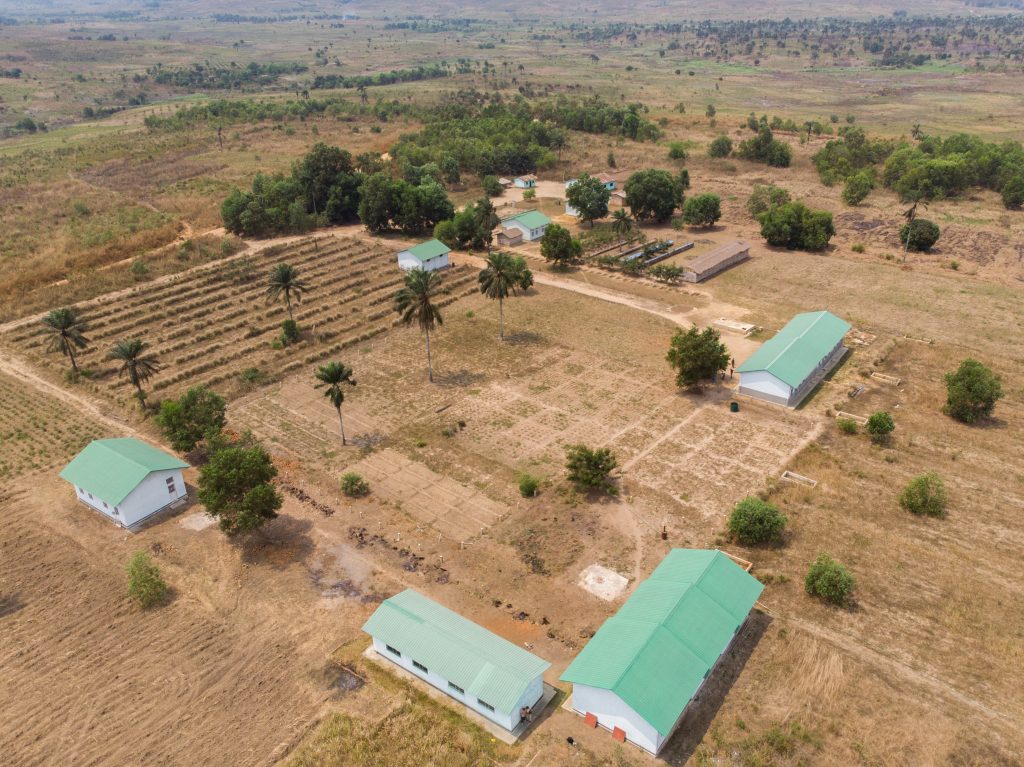
The program focuses on three areas of intervention: the development of agricultural value chains, environmental conservation and restoration, and inclusive knowledge management.
Development of agricultural sectors
To support the creation of income-generating activities, we assist in the development of agricultural sectors:
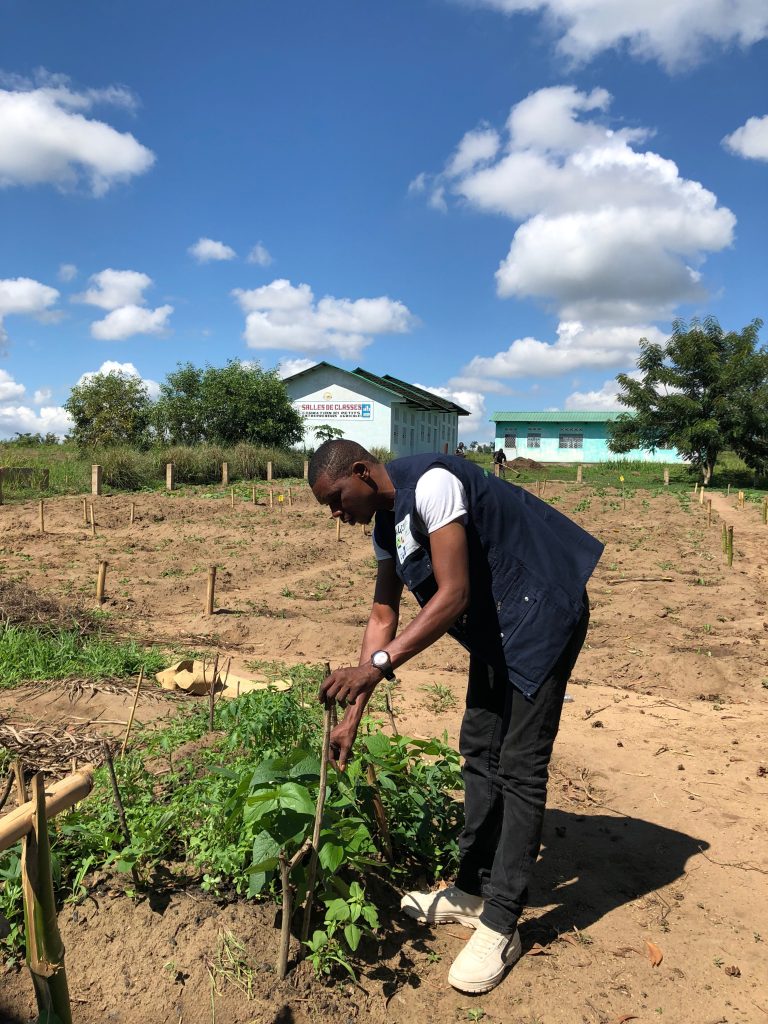
- Support for agroecological production techniques
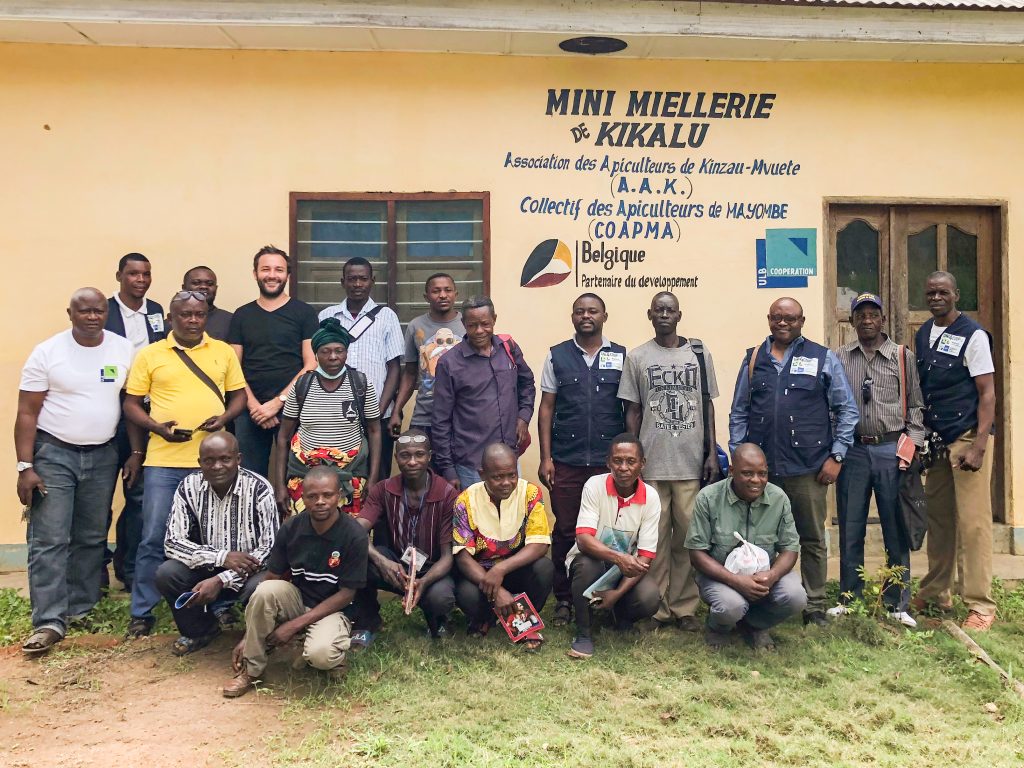
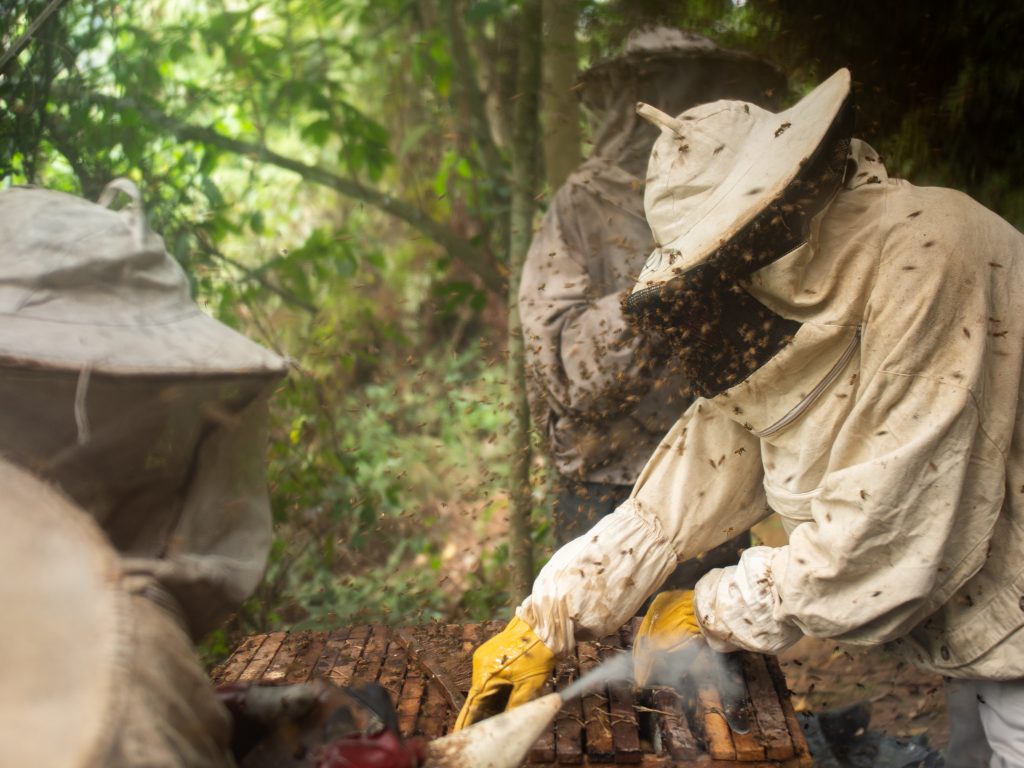
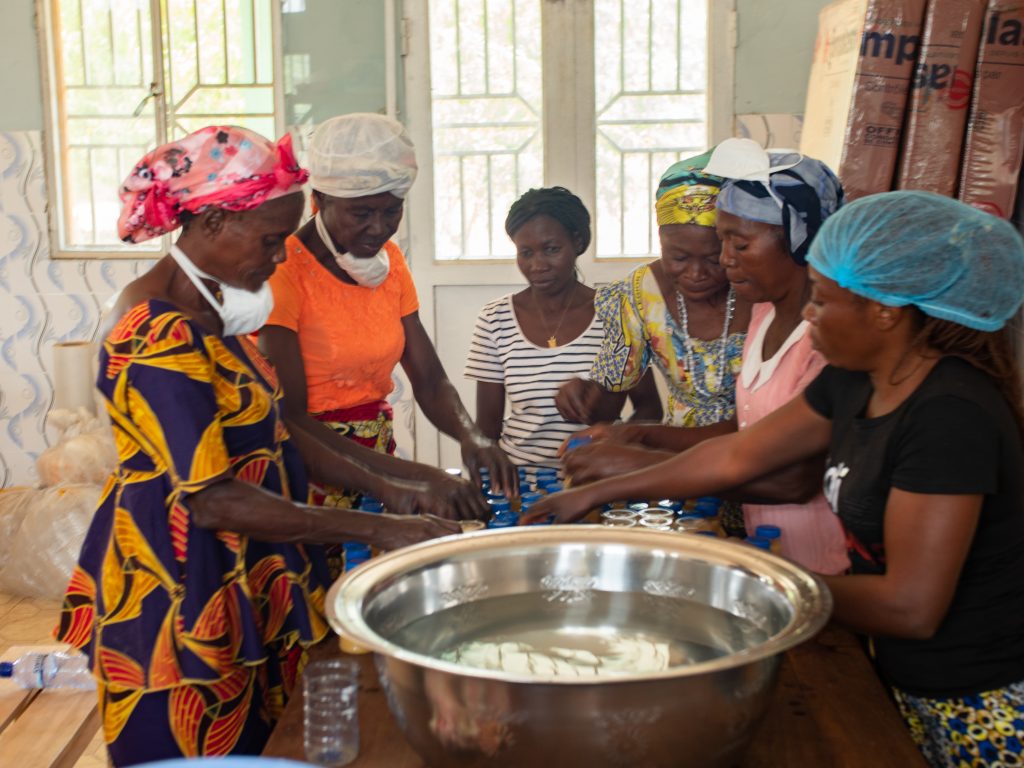
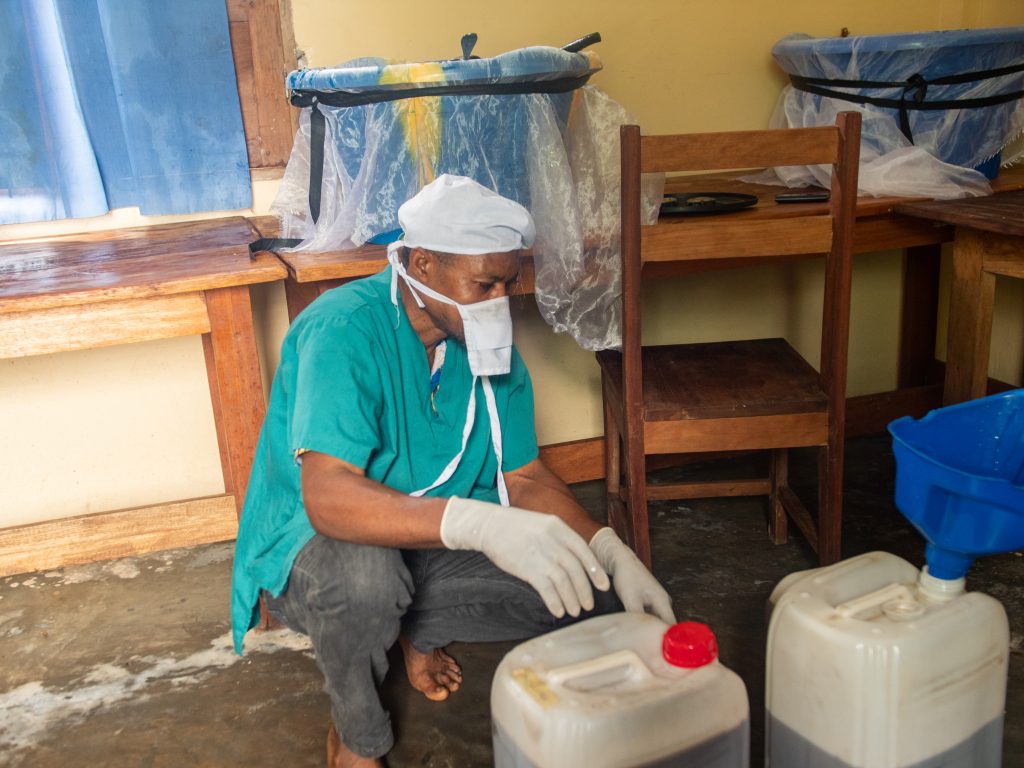
- Support for the extraction and processing of bee and market garden products
- Strengthening associations of beekeepers and producers
- Establishment of fair trade relations and contract farming
- Launch of innovation competitions to support the creation of micro and small businesses among young people and women
Environment
The environmental focus is on conserving and restoring biodiversity and natural resources in PAs and agroecosystems:
- Support for the development of the Luki Honey Plant Garden
- Support for community forestry
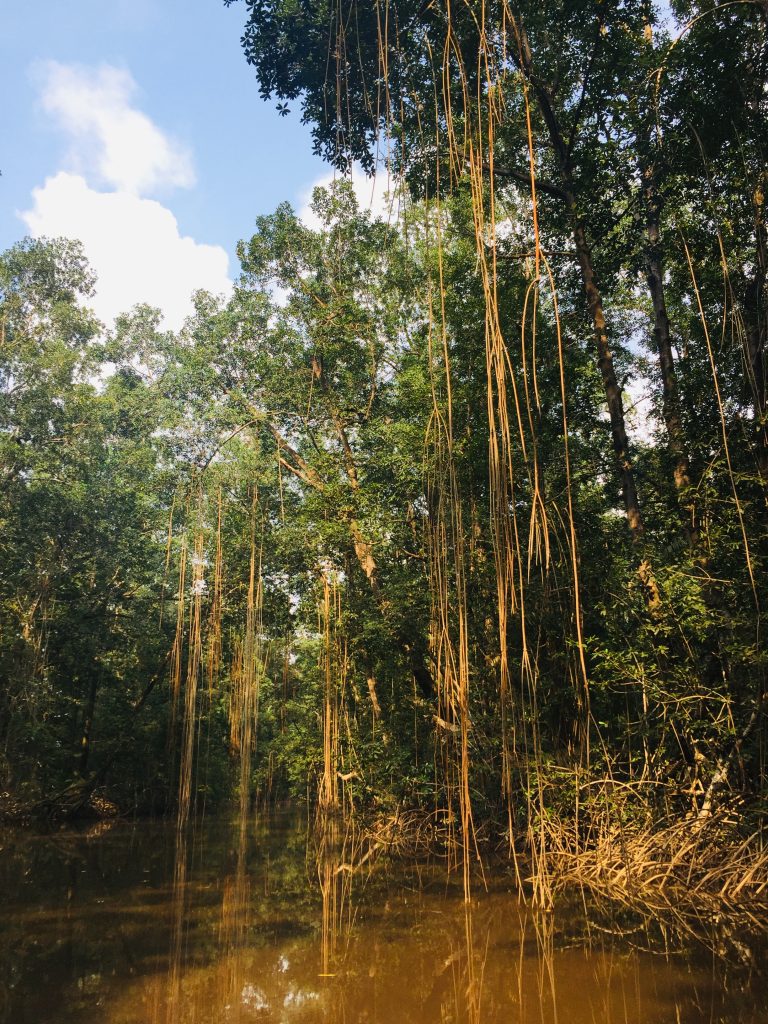
- Reforestation of mangroves in mangrove forests
- Technical support for access to the voluntary carbon offset market
- Technical support for the use of Geographic Information Systems
Inclusive Knowledge Management
Finally, as a university-based NGO, a significant part of our activities concerns the production and management of knowledge:
- Conducting diagnostics, studies, and research through theses, doctoral dissertations, or internal studies
- Establishment of a Scientific Committee involving stakeholders in the field as well as national, regional, and international research institutions to ensure that the proposed research topics are relevant and appropriate to the real needs of local communities and PA managers, and to guarantee that the research contributes to improving the living conditions of local communities.
Operational partners
- AgriCongo Alliance
- Congolese Center for Nature Protection (CCPN)
- Mayombe Beekeepers’ Collective (COAPMA)
- Regional Postgraduate School of Integrated Management and Development of Tropical Forests and Territories (ERAIFT)
- Congolese Institute for Nature Conservation (ICCN)
- Mangrove Marine Park (PMM)
- Virunga National Park (VNP)
- National Institute for Agricultural Research and Studies (INERA)
- Mannalola LLC
Budget
$1,898,961
Duration
January 2022 – December 2026
Contact persons: Ernest MUANDA and Florian DELESPESSE
Publication
Potential for diversification of agricultural activities around the Mangrove Marine Park “Analysis – in-depth assessment of the agricultural system in the Muanda region”
gallery
Make a donation!
Aucun témoignage trouvé.
Related news
Aucun article trouvé.