Sustainable food systems in Burkina Faso
Background
At a time when international negotiations to combat climate change are struggling to reach a conclusion, the consequences of climate change are already being felt widely in Burkina Faso. This landlocked country is subject to recurring episodes of drought, caused mainly by climate change.
This iconic Sahelian country nevertheless has extensive experience in water management and agroecology, as it has had to use its resources sparingly and creatively for many years.
As in our other countries of operation, our actions aim to reconcile nature conservation and natural resource management objectives with those of rural development in the communities concerned. The protection of Protected Areas (PAs) is closely linked to the well-being of the communities living in the surrounding areas, as well as to the development of income-generating activities.
The current climate of insecurity has plunged the country into a serious crisis, the outcome of which remains uncertain, but which only serves to increase the needs of the population, particularly young people and women. The existence of these projects is therefore crucial, and despite the difficult working conditions, our colleagues in the field and our partners are doing everything they can to achieve our objectives.
Financial partners


Location
In Burkina Faso, Ucoopia’s (formerly ULB-Coopération) projects are concentrated around Corridor No. 1 of the Pô-Nazinga-Sissili Protected Areas Complex (CAP/PONASI) located in the Centre-South Region. CAP/PONASI is the second largest continuum of protected nature reserves in Burkina Faso.
Objectives
The populations, particularly young people and women living on the outskirts of Corridor No. 1 of the PONASI protected areas complex, are sustainably improving their incomes from the sustainable exploitation of natural resources and their living conditions, while contributing to the preservation and restoration of their environment.
Sustainable Development Goals (SDGs)

Activities
The program focuses on three areas of intervention: the development of agricultural value chains, environmental conservation and restoration, and inclusive knowledge management.
Development of agricultural sectors
To support the creation of income-generating activities, we assist in the development of agricultural sectors:
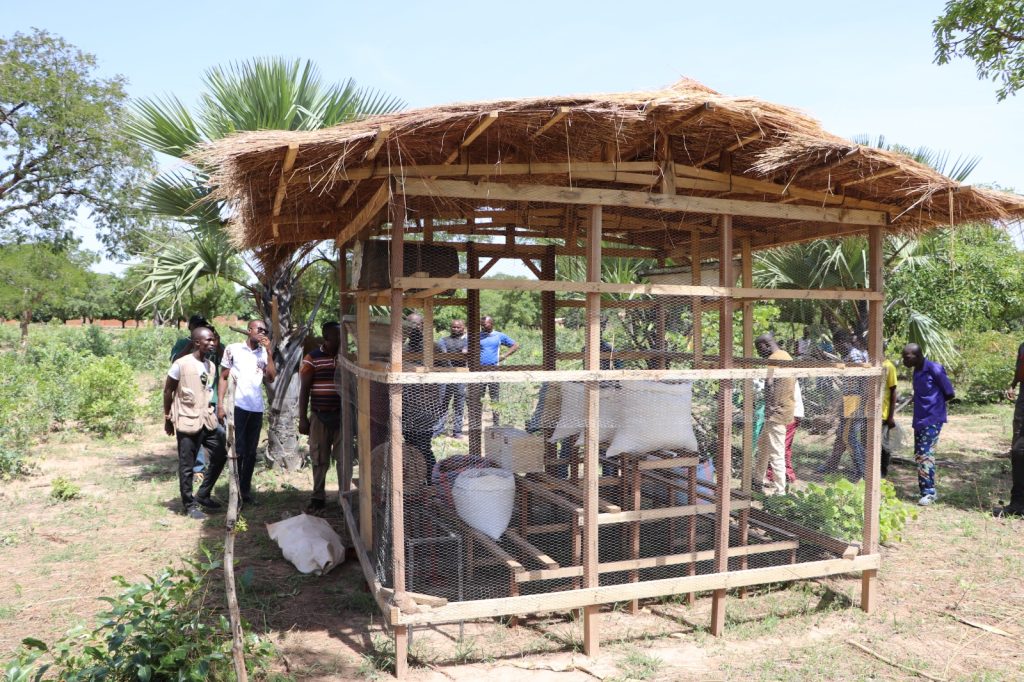
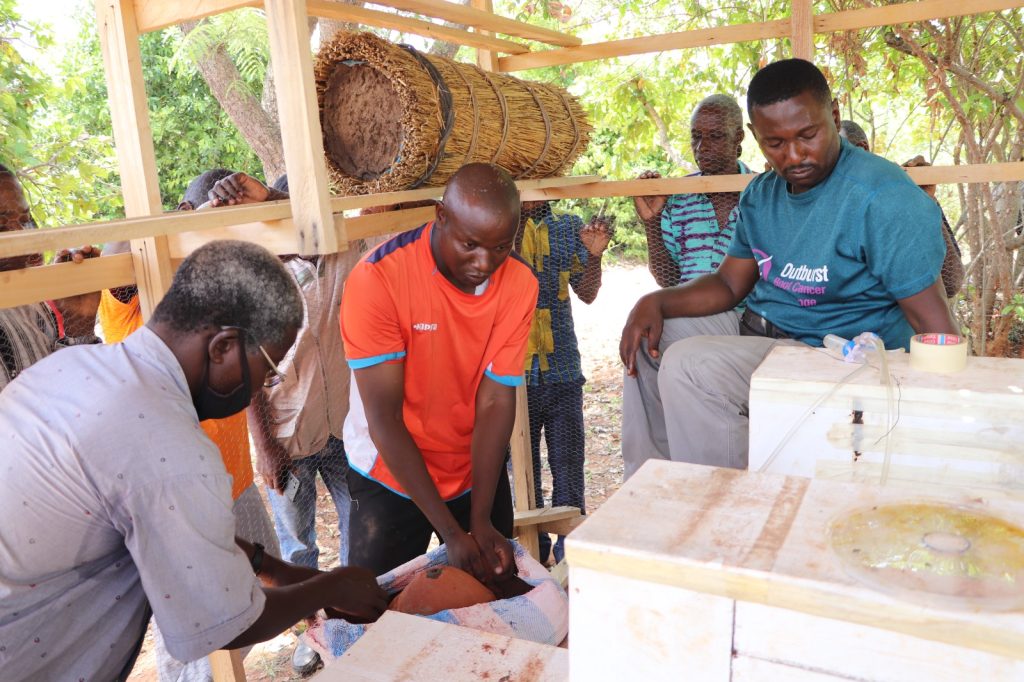
- Support for agroecological, beekeeping, and agroforestry production techniques
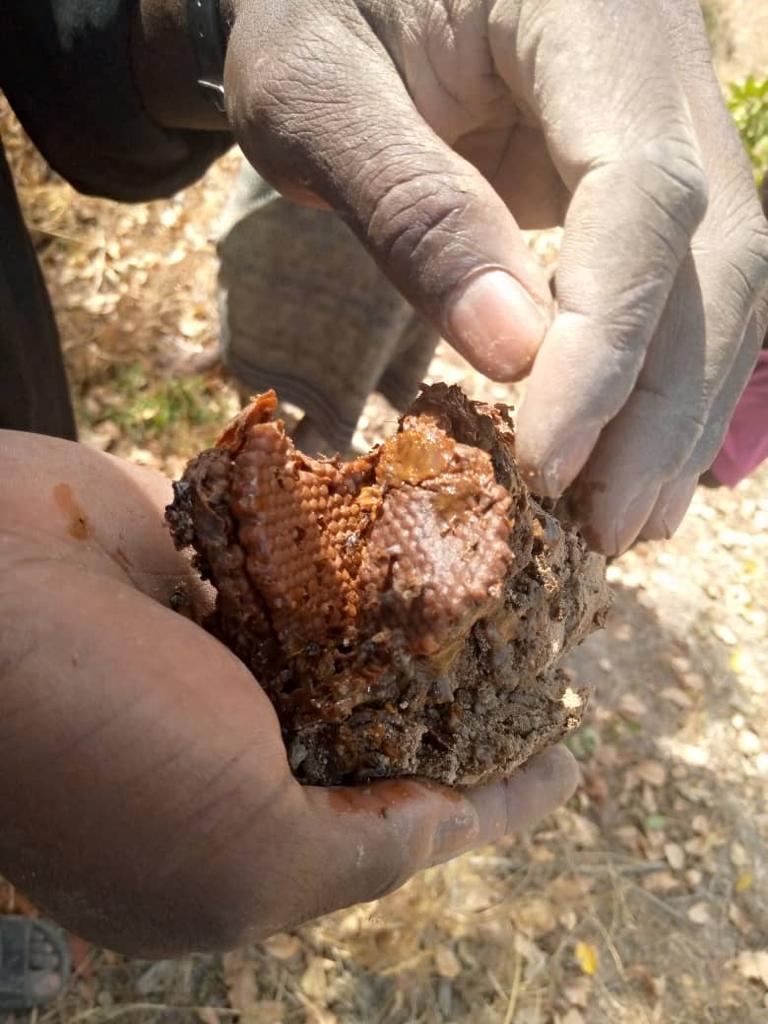
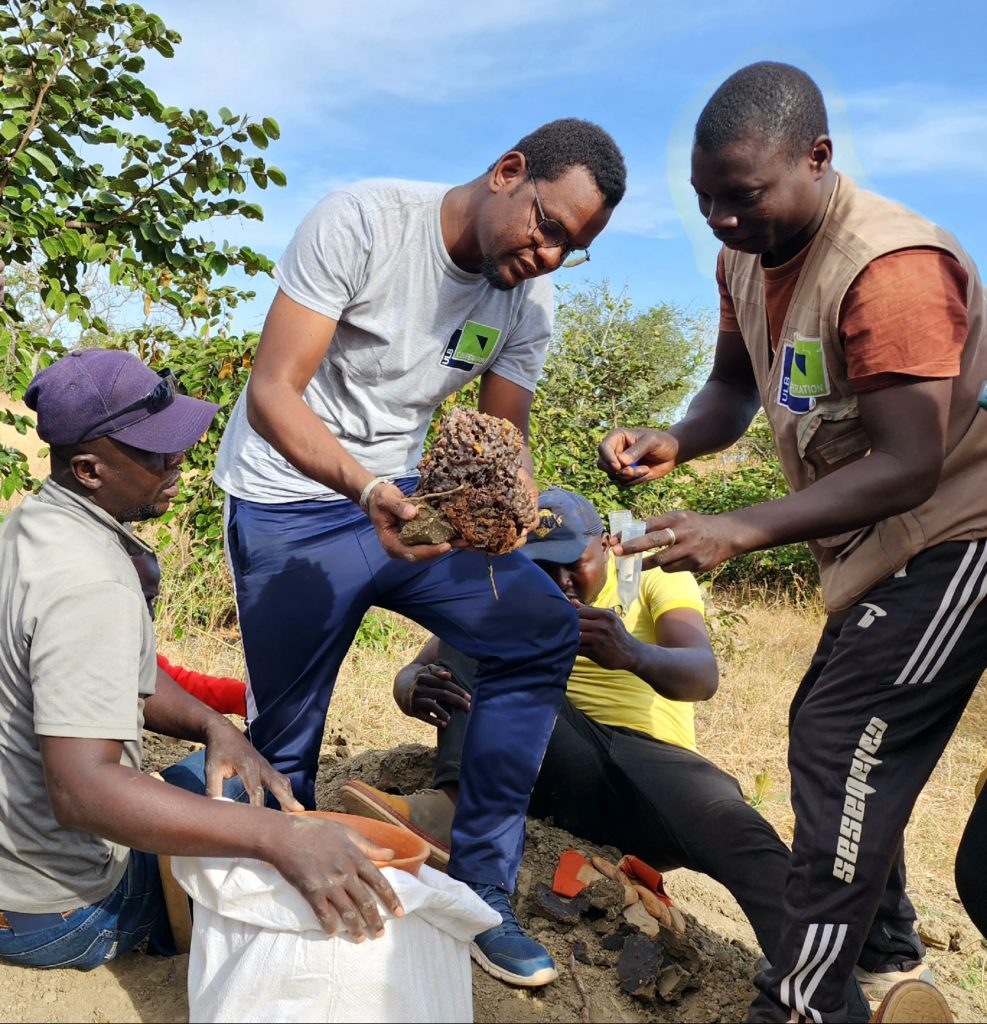
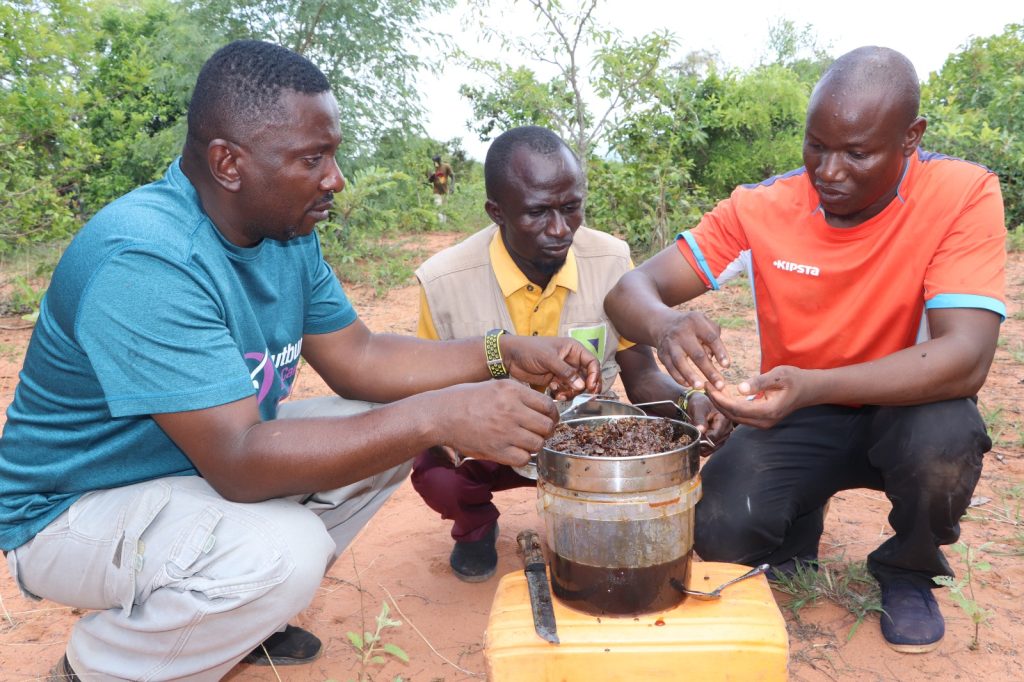
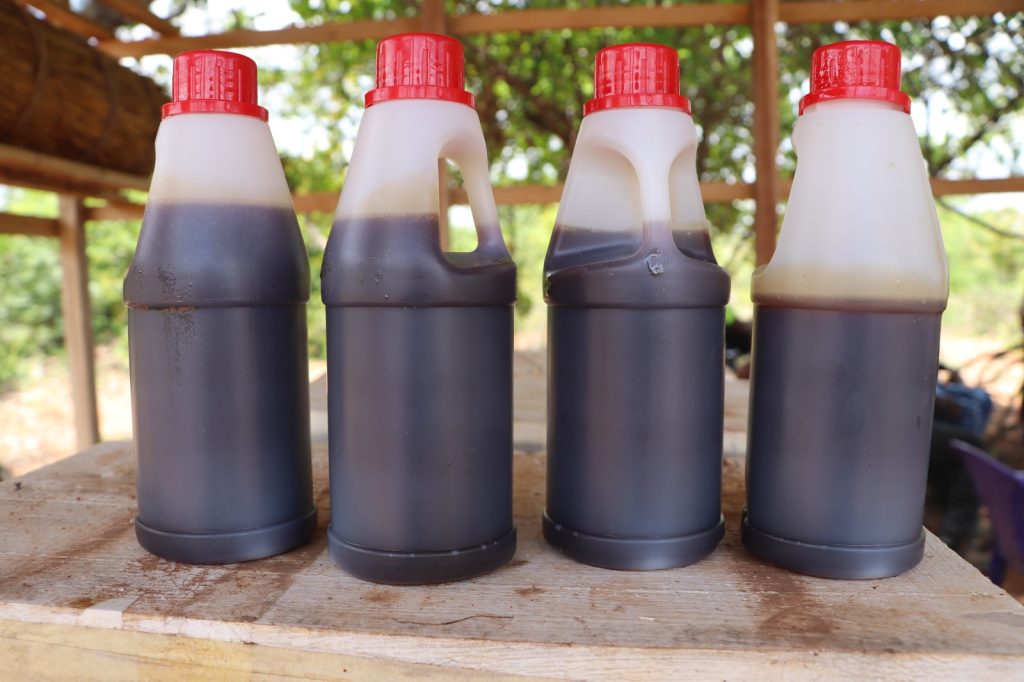
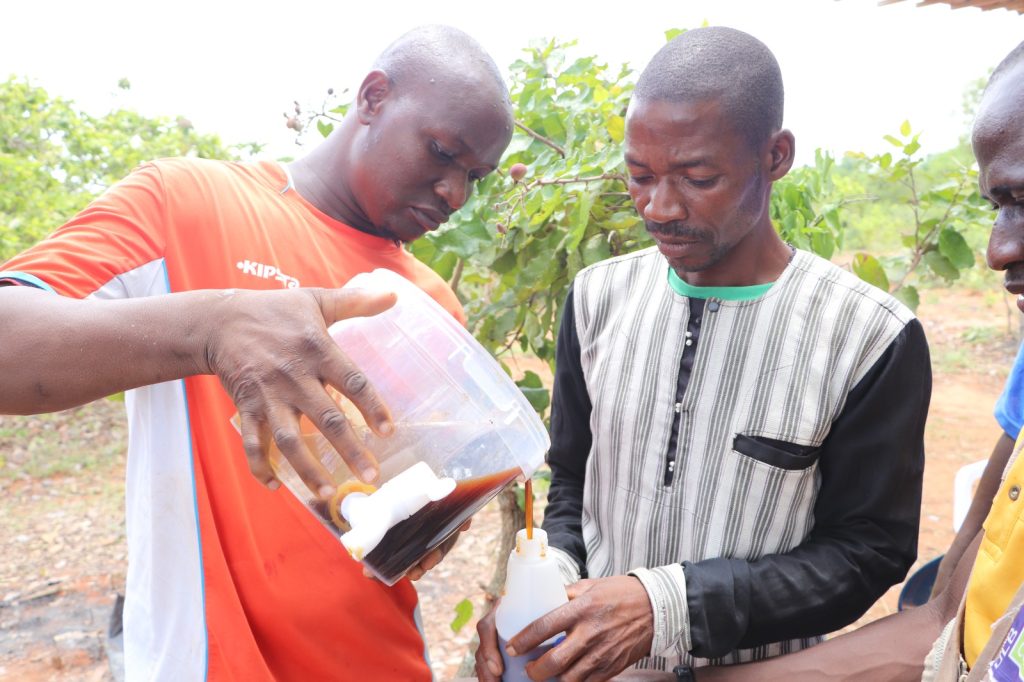
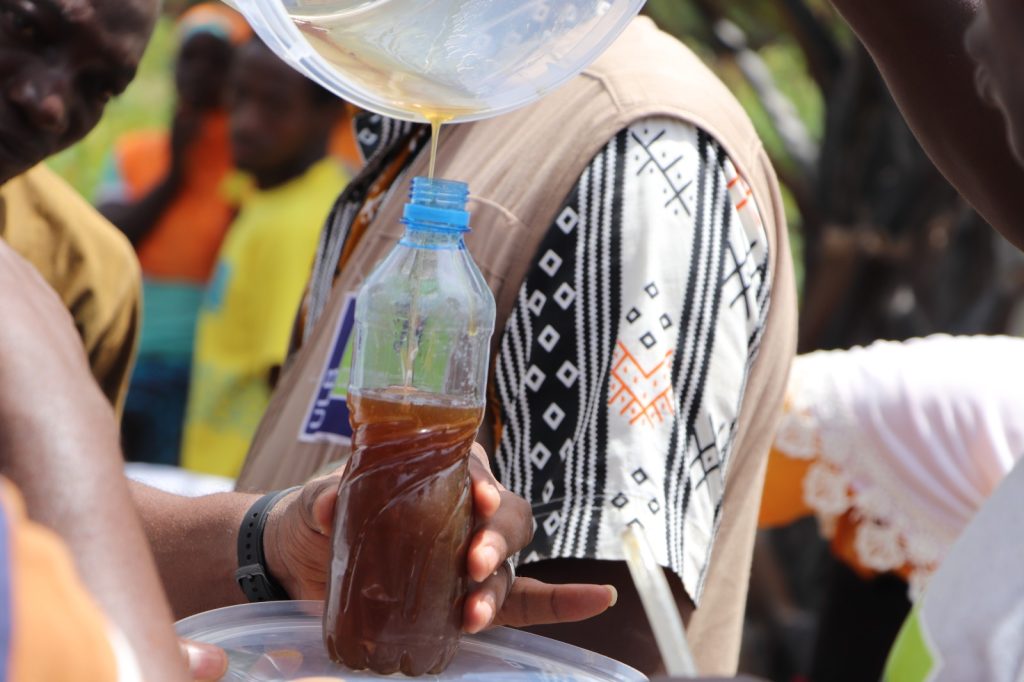
- Support for the extraction and processing of bee and market garden products
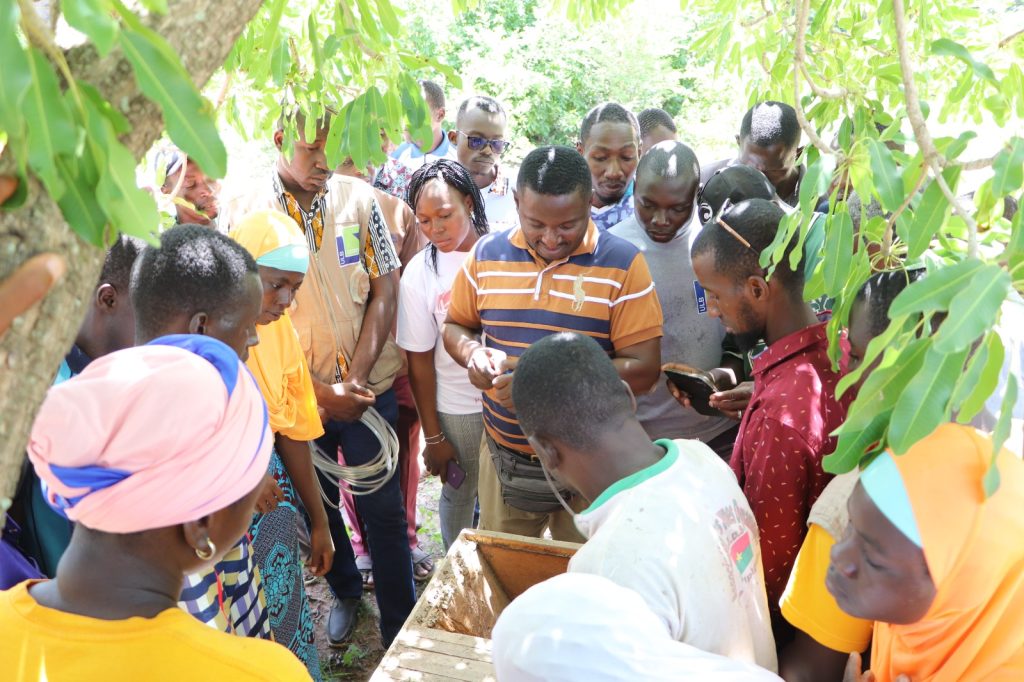
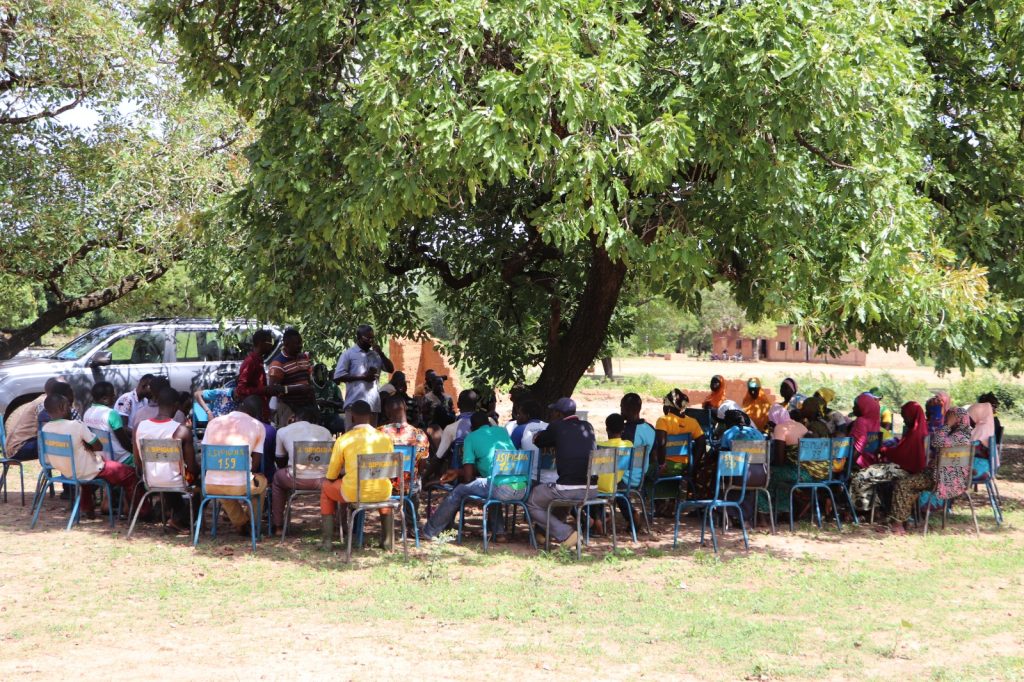
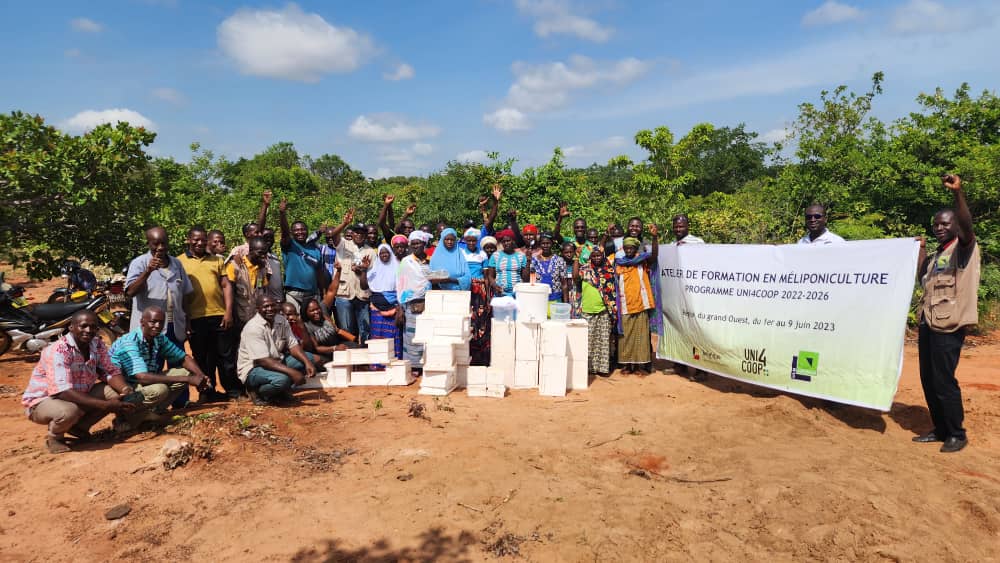
- Strengthening associations of beekeepers and producers
- Establishment of fair trade relations and contract farming, particularly for oilseeds
- Launch of innovation competition to support the creation of micro and small businesses among young people and women
Environment
The environmental focus is on conserving and restoring biodiversity and natural resources in PAs and agroecosystems:
- Support for the classification process for Corridor No. 1 and the implementation of a Participatory Development and Management Plan
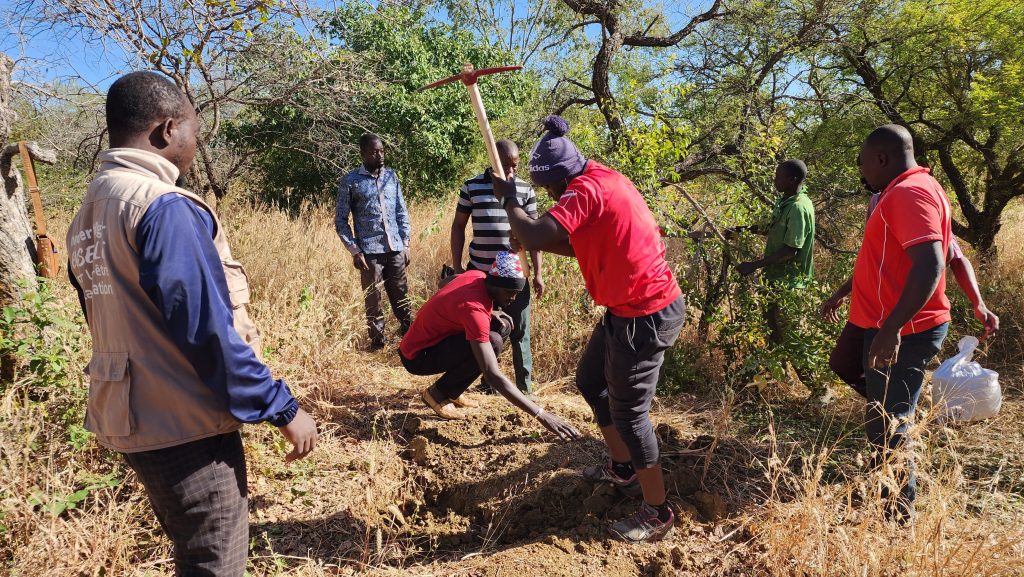
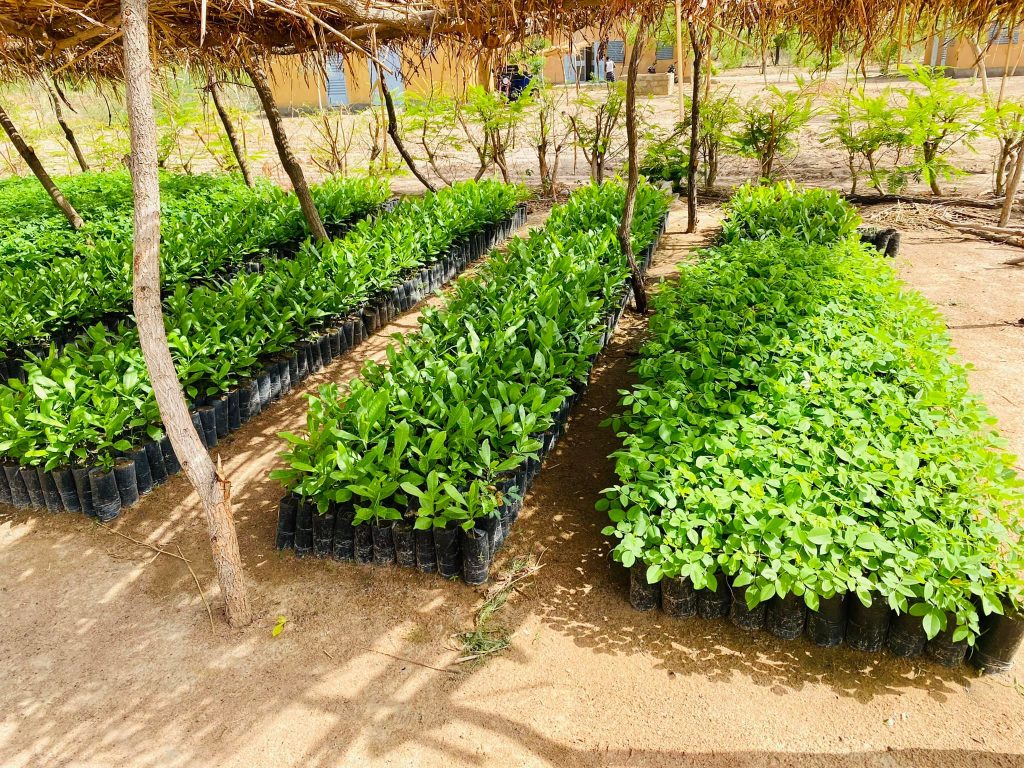
- Support for the integration of agroforestry into agroecosystems
- Technical support on the use of Geographic Information Systems (GIS)
Inclusive knowledge management
As a university-based NGO, a significant part of our activities involves the production and management of knowledge:
- Conducting diagnostics, studies, and research, thanks to theses, doctoral dissertations, and internal studies
- Support for the Research and Development Project (PRD) funded by ARES and coordinated by Prof. de Cannière of the ULB agroecology lab on the following topics:
- A spatiotemporal analysis of the evolution of PONASI landscapes in demographic, socioeconomic, political, and ecological terms, leading to simulations of the future of these landscapes.
- Establishing an agricultural diagnosis of agricultural areas on the outskirts of protected areas, enabling the proposal and testing of agroecological intensification
- The development of agroecological infrastructure and routes favorable to bees in order to ensure the sustainable management of non-timber forest products (NTFPs): honey and shea butter.
The research and development project on video
Operational partners
- Association for the Promotion of Agroforestry and Fertile Trees (APAF)
- Nahouri Provincial Directorate of Environment, Water, and Sanitation
- Department of Environment, Water, and Sanitation
- Goldenrod
- Solvert
- Free University of Brussels (ULB)
- University of Liège, Gembloux Agro-Bio Tech (ULG-Gbx)
- Ouaga 1 University Professor Joseph KI-ZERBO
- Wend-Puiré
Budget
$1,693,221
Duration
January 2022 – December 2026
Contact persons
Gallery



Aucun témoignage trouvé.
Related news
Aucun article trouvé.
Related projects
Aucun projet trouvé.