Sustainable food systems and natural resource management in Senegal
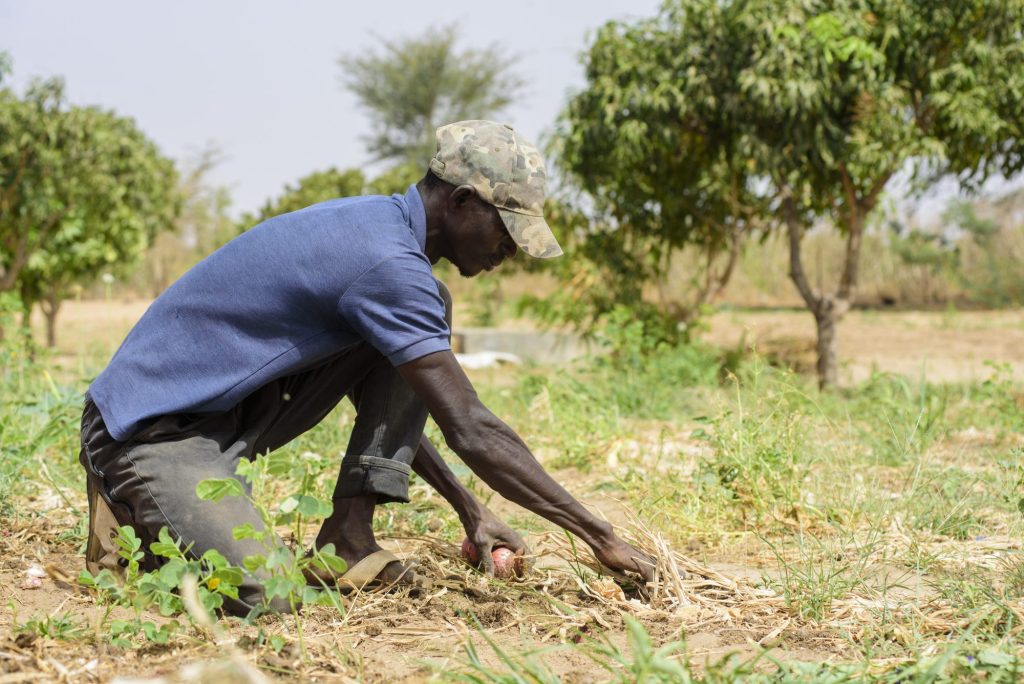
In Senegal, with funding from Belgian cooperation, Ucoopia focuses its efforts on establishing sustainable food systems and managing natural resources. Through agriculture, beekeeping, and fruit and vegetable processing, the aim is to improve incomes, particularly those of women, by promoting and adopting agroecological practices.
Financial partners

Background
In Senegal, despite the importance of the primary sector, its agro-pastoral potential, and the efforts made in recent programs aimed at food self-sufficiency (PRACAS, PNAR, etc.), the population remains heavily dependent on imports. Two factors explain this food dependency: (i) the low price of imported food and (ii) population growth of 2.5% per year combined with an urbanization rate of 3.3% per year, which are driving an increase in demand, particularly in large urban centers.
Furthermore, the attractiveness of rural areas and the agricultural sector remains limited. The constraints on agriculture are significant and the development of value chains can be complicated. The integration of young people in rural areas and their takeover and modernization of family farms is a major challenge for sustainable food systems.
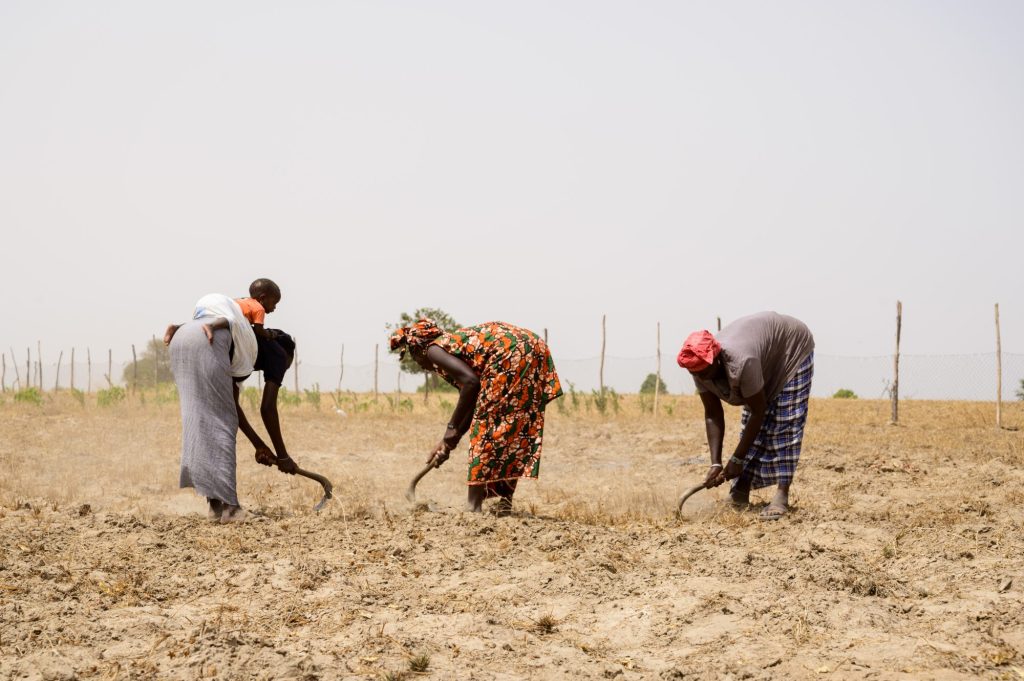
Women play an important role in Senegalese agriculture. Although they do not constitute a homogeneous social group, they share a number of common challenges:
It is generally women who take care of the aftermath of agricultural production. Surpluses are either kept for home consumption or sold (and therefore sometimes processed), contributing in both cases to household consumption.
On the issue of land ownership, both socially and culturally, women are generally disadvantaged compared to men. Despite the law on national property, they do not have equal access to land. In a context marked by privatization, pressure, and land speculation, this inequality tends to increase.
Women’s work is divided between domestic duties and productive activities. Although women are a pillar of the family, their role is often not recognized and does not give them access to decision-making.
Location
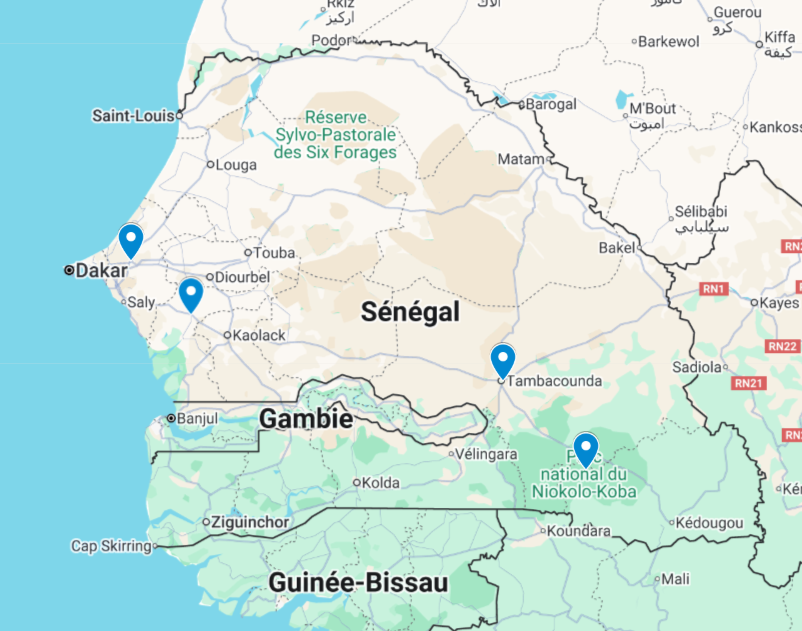
Regions of Thiès, Fatick, Tambacounda, and the outskirts of Niokolo Koba National Park
Objectives
Producers develop sustainable and inclusive food systems, contributing to the protection and restoration of agrosystems and their territory.
SDG

Beneficiaries
- Family farms and economic interest groups: 1,200 people
- Non-timber forest product operators: 50 women and 50 men
- Entrepreneurial initiative leaders: 250 women, 150 young men, and 100 men
- Households and families in the project’s target groups: 65,000 people
- Rural populations living on the outskirts of protected areas: 20,000 local residents
Impact
The program aims to promote a transition to sustainable food systems in which rural populations participate in protecting their ecosystem and are part of a sustainable economic model that takes into account the socio-ecological capacities of the territories. We are strengthening the food, nutritional, economic, and health security of producers and households in the areas where we operate, particularly women and young people. This strengthening contributes to a lasting improvement in the living conditions of these populations, which are still marked by a high prevalence of poverty and poor performance in the agricultural sector.
Activities
· Enable producers to participate in the dissemination of best practices for soil restoration and biodiversity preservation, in collaboration with universities and research centers, etc.
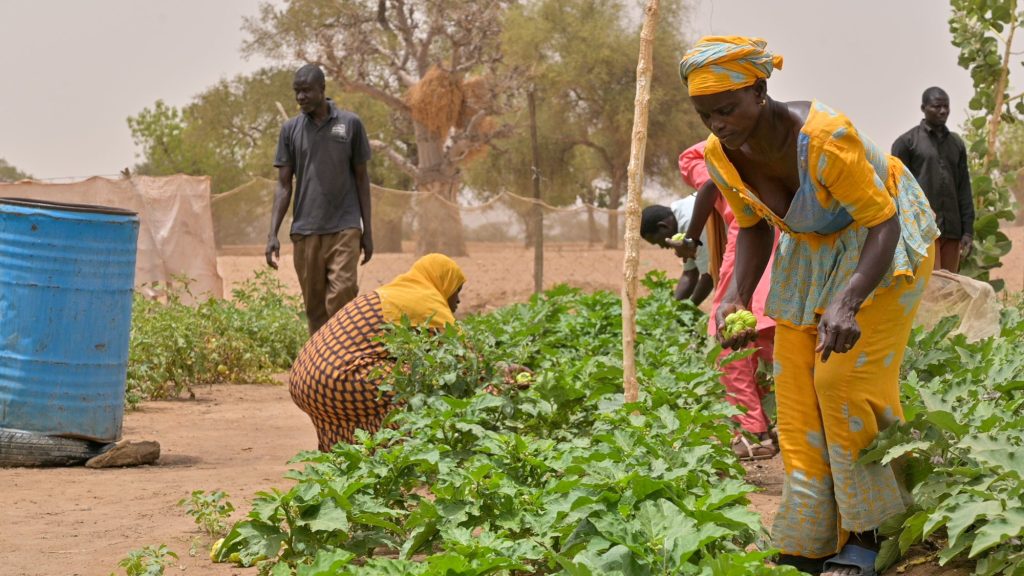
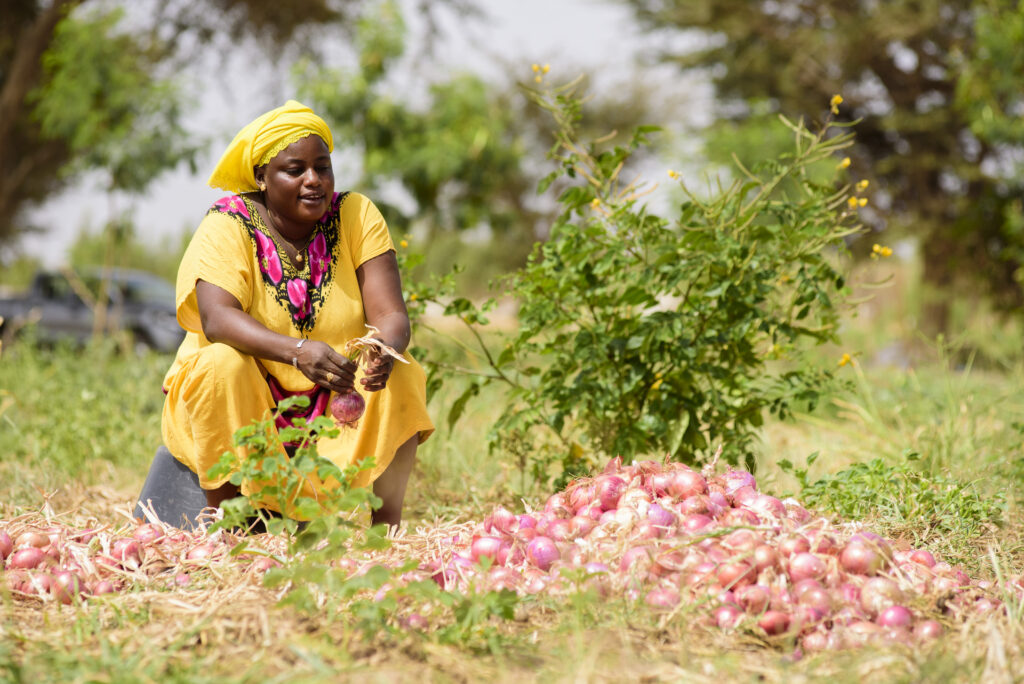
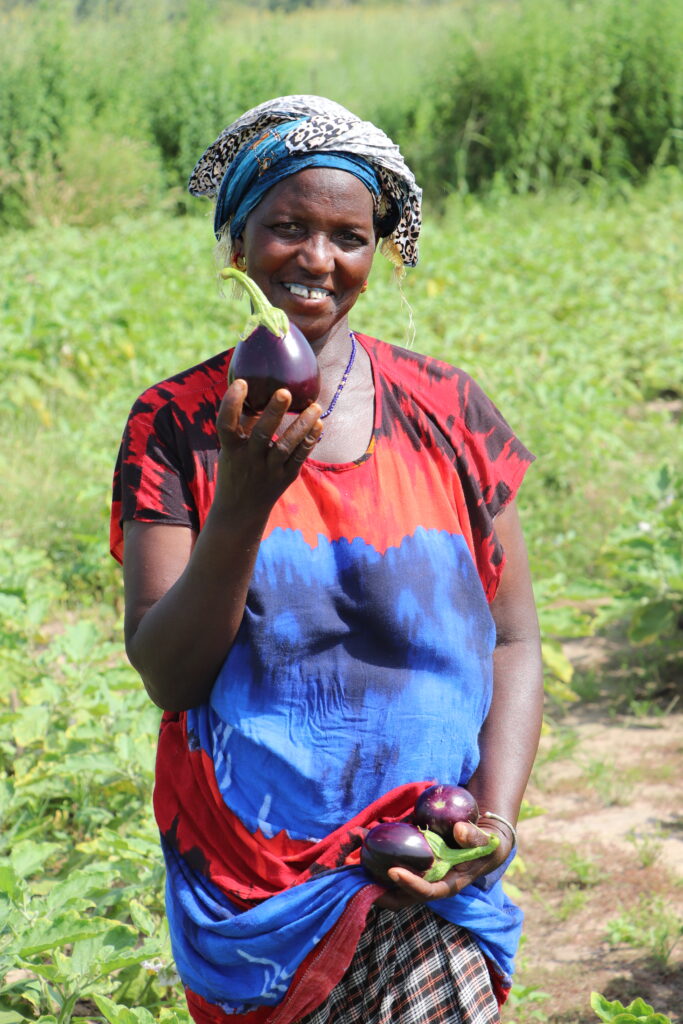
· Supporting economic activities for young people and women in order to diversify sources of income for farming families. In particular, the project supports women’s Economic Interest Groups (EIGs) in market gardening.
· Strengthen partner farmer and civil society organizations, particularly in terms of organization (governance, management, advocacy), themes (agroecology, entrepreneurship, gender), and techniques (beekeeping, impact measurement, etc.).
Territorial and academic approach
Moving towards sustainable food systems requires a holistic understanding of territories. To do this, we use the FAO’s TAPE tool (Tool for Agroecology Performance Evaluation), which allows projects to be adapted according to the level of agroecological transition in a given territory. TheWEAI (Women’s Empowerment in Agriculture Index) tool will complement TAPE to help improve the level of control women have over important aspects of their lives in the household, community, and economy.
As a university NGO, Ucoopia will open up to universities, notably Cheikh Anta Diop University (UCAD), for the co-design of tools and knowledge and/or the updating of ancestral knowledge and know-how for a better agroecological transition in the territories. Internships and master’s theses are offered at UCAD, as well as at the Free University of Brussels and the Faculty of Gembloux Agro-Bio Tech (ULiège) for research contributions to this program.
Operational partners
- Senegalese Association for the Protection of Animals and the Environment (ASPAE)
- Agricultural Cooperative for the Development of Malicounda (COOPAM)
- Rural Cooperative for Inclusive Development in Djilor (COORDID)
- Rural Cooperative for Inclusive Development in the Missirah District (COORDIM)
- Union of Women’s Promotion Groups of Mont Rolland (UGPF-MR)
- APAF
- Am-Bé-Koun Solidarity
Budget
$1,593,761
Duration
January 2022–December 2026
Contact persons
Gallery
The latest news on this project
Aucun article trouvé.