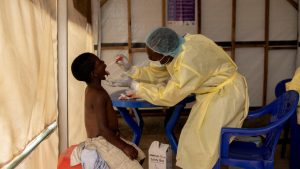
Strengthening the Health System's Response and Resilience to the Mpox Epidemic in the DRC
Democratic Republic of the Congo
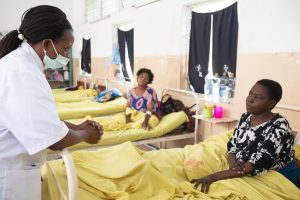
As the healthcare sector is constantly evolving, staying up to date with methods, processes, medications, and equipment is crucial to ensuring quality care. The SIMFOR project aims to develop the knowledge and skills of medical staff through the simulation of real-life cases drawn from the learners’ experience.

While the COVID-19 pandemic did not cause the Congolese hospital system to collapse, it did highlight the extreme fragmentation of the hospital sector in Kinshasa and the need for hospital staff to adapt quickly to exceptional situations, modify procedures, and share best practices between providers and between hospitals in order to strengthen the resilience of the hospital system as a whole.
The pandemic has also highlighted the fragility of the bonds of trust between healthcare users and medical staff. This trust is based in particular on users’ perception of the procedures put in place by providers, which are either highly standardized or, conversely, tailored to the specific needs of each patient. The responsiveness and adaptability of medical procedures are precisely the two elements targeted by the project to strengthen the resilience of hospital training and the patient-centered approach. Currently, basic health training and continuing education in the DRC follow an approach similar to that in Belgium: theoretical and practical training “in the field.” With SIMFOR, practice will also take place in a safe environment where doctors and nurses can relive difficult care situations and identify the necessary adjustments.
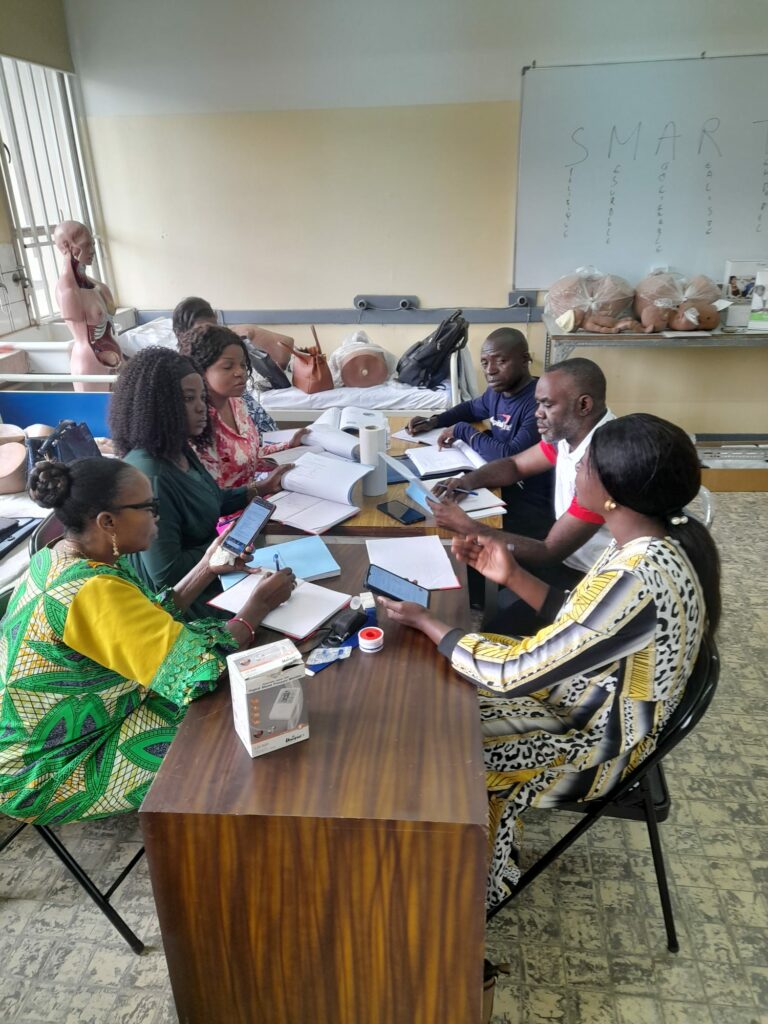
The continuing education process, through simulation, must contribute to the quality of care. It focuses on two themes:


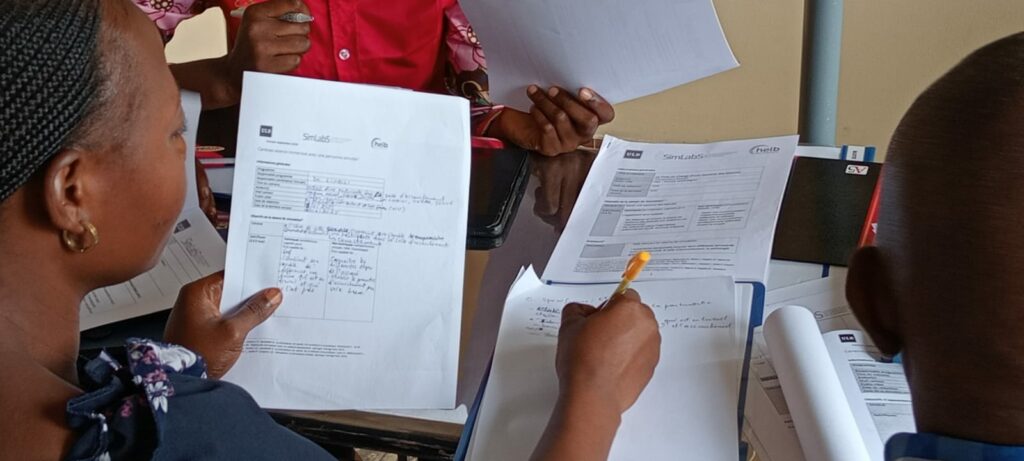
Based on adverse events actually experienced by one or more learners, the SimLabS team will propose the development of learning scenarios that will draw on the professional practices of each participant, as well as methodologies for analysis and self-reflection on the steps, actions, information transfers, or decisions that led to the adverse event.
€76,025
36 months
Contact persons: Serge NGAIMA and Felix VANDERSTRICHT
Aucun article trouvé.
Democratic Republic of the Congo
Belgium | Democratic Republic of the Congo
Democratic Republic of the Congo
Democratic Republic of the Congo
Democratic Republic of the Congo
Democratic Republic of the Congo
Democratic Republic of the Congo
Democratic Republic of the Congo

Benin | Democratic Republic of the Congo | Guinea | Senegal
Democratic Republic of the Congo