AGRI-VERT
Guinea
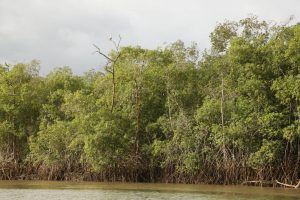
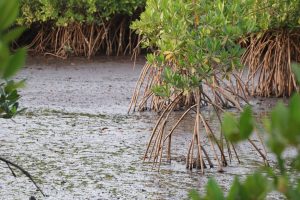
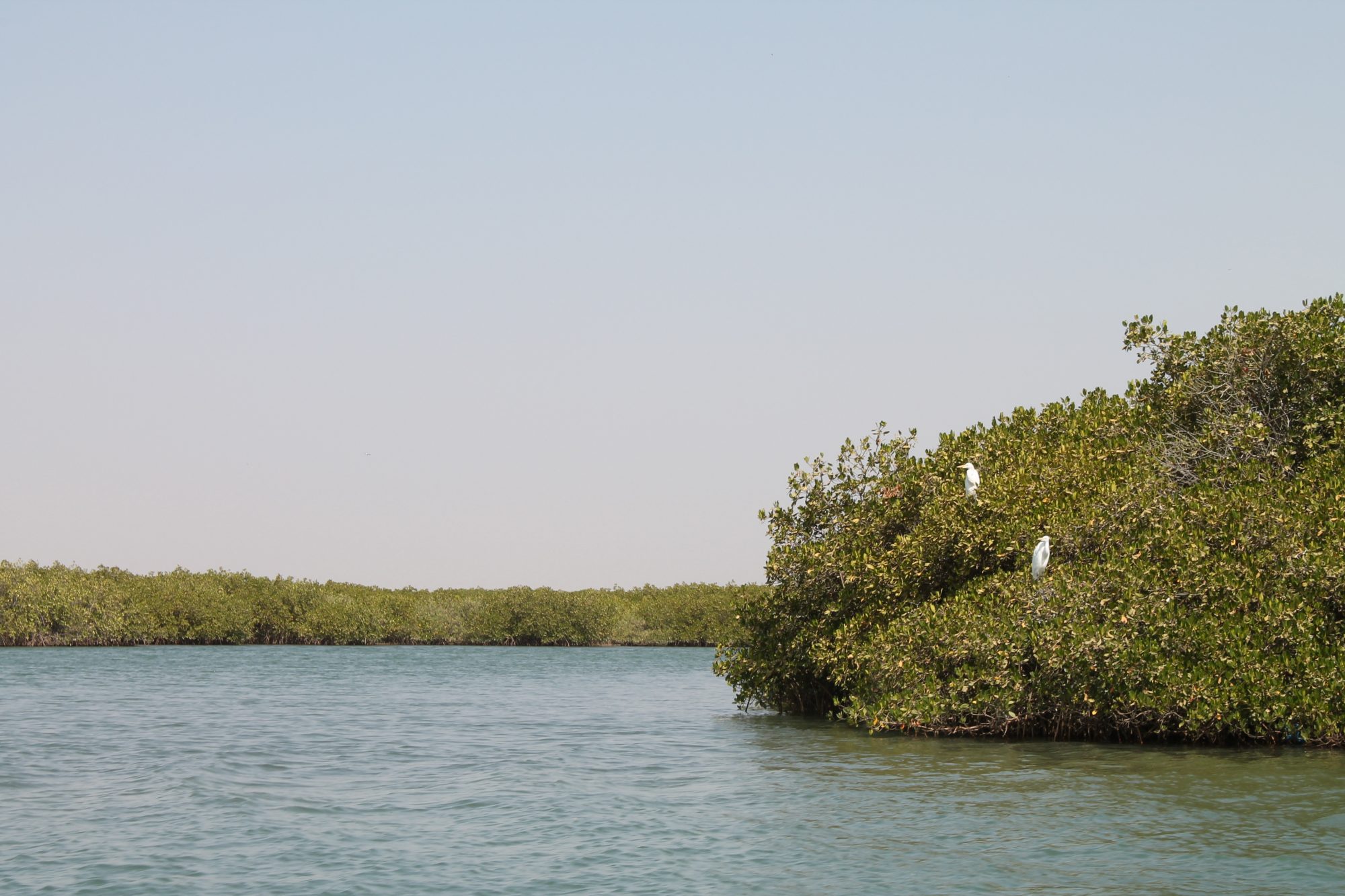
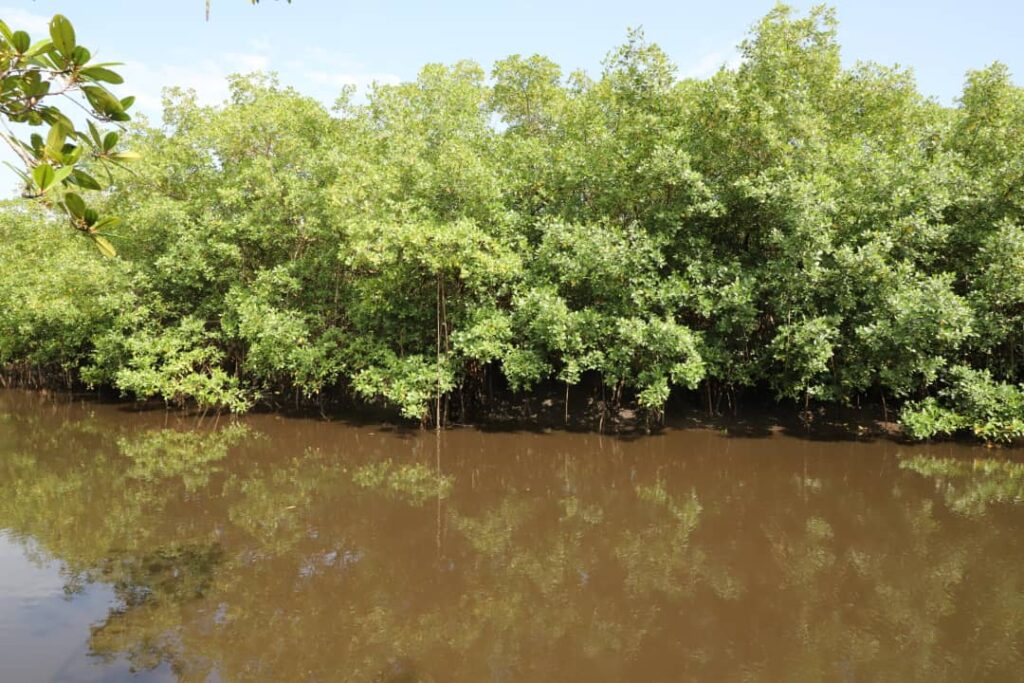
The mangrove areas of Lower Guinea are inherently threatened by the effects of climate change and biodiversity loss. In addition, the population there is largely dependent on sectors that are most vulnerable to climate change, such as rice farming and fishing, and overexploits forest resources for firewood and cooking fuel.
To reverse this trend, this project aims to inform and raise awareness among young people about environmental challenges. They will then act as a lever to raise awareness among adults, who are more resistant to behavioral change. The project will also help to restore the wisdom of elders and stabilize youth in a restored environment, thereby combating rural exodus.
This intervention will be based on the results of the educational program initiated as part of the ongoing project “Management of mangrove forests from Senegal to Benin,” funded by the European Union’s PAPBIO program.
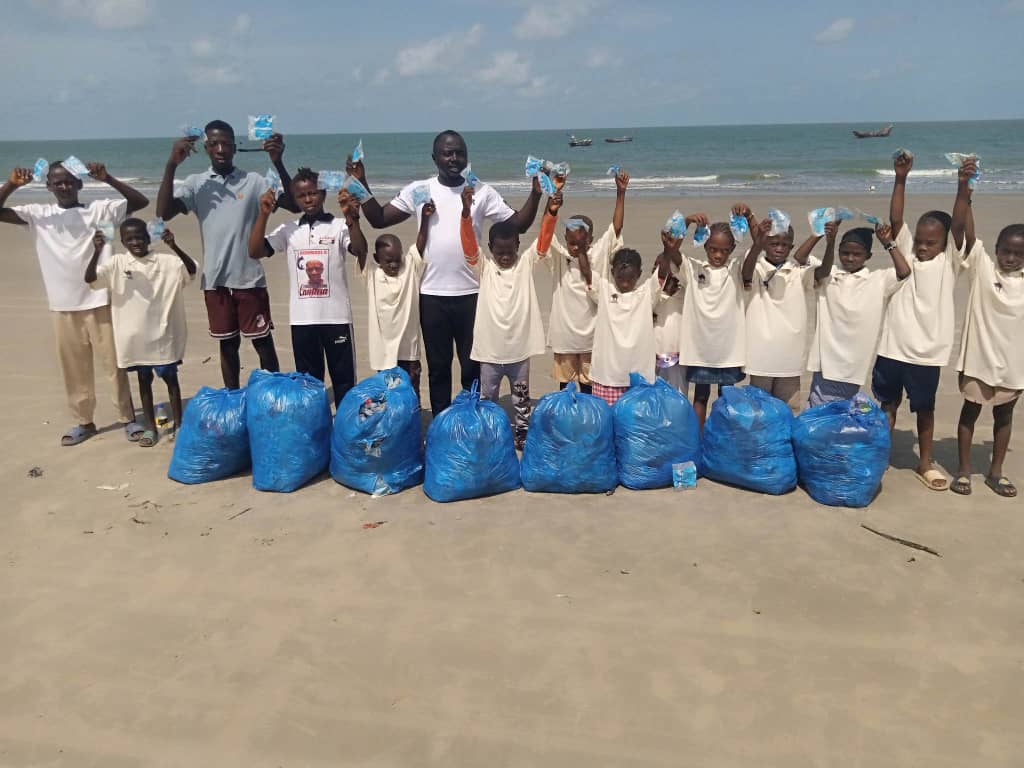
Photo on the right: Commemoration of International Mangrove Day with schoolchildren from the Tristao Islands Marine Protected Area (Photo copyright: Carbone Guinea)
2. Institutions shall incorporate knowledge related to the natural and cultural heritage of coastal areas and the issue of sustainable ecosystem management into public education policies.
They are responsible for integrating environmental and development education into school curricula. This will be achieved mainly through networking, consultation, and support for educational institutions.
The RACINE project will integrate environmental and development education into the curricula of 20 pilot schools located in the prefectures of Boffa, Dubréka, and Boké. The project has three main objectives:
1. Teachers’ and students’ knowledge of the environment and sustainable development is improved, and the school becomes a lever for environmental protection and sustainable development.
This result will be achieved by:
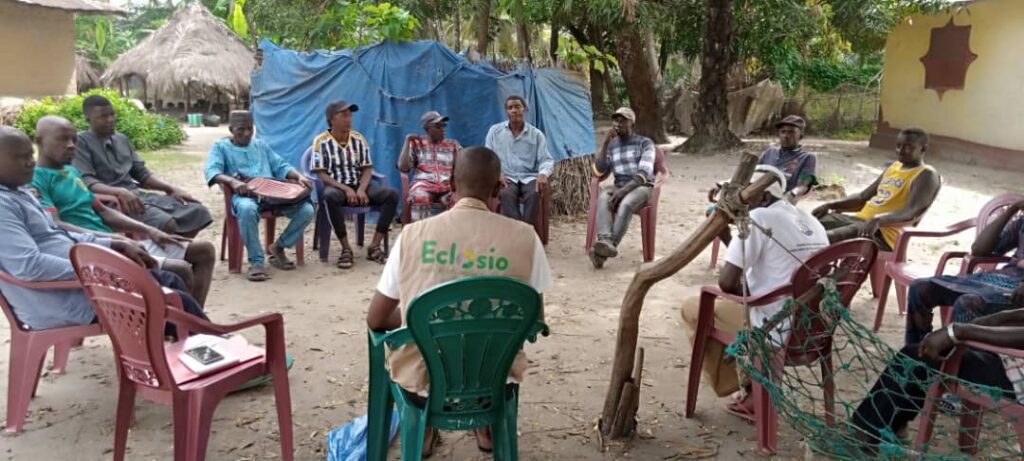
3. Environmental education stakeholders participate in discussions on integrating issues related to coastal and marine ecosystems into their sustainable development education strategies and are part of a network for exchanging and sharing knowledge.
This result will be achieved through the establishment of a Learning and Practice Community (LPC), which will enable the sharing of successful experiences and the implementation of advocacy actions to influence development policies. Actions to capitalize on and disseminate experiences will conclude the project and ensure its sustainability and deployment on a larger scale.
The direct target audience of the RACINE project is:
The indirect target audience is: