
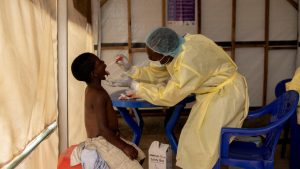
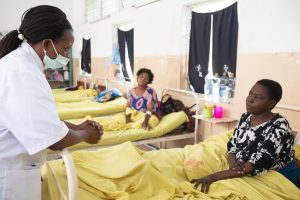
Strengthening the Health System's Response and Resilience to the Mpox Epidemic in the DRC
Democratic Republic of the Congo
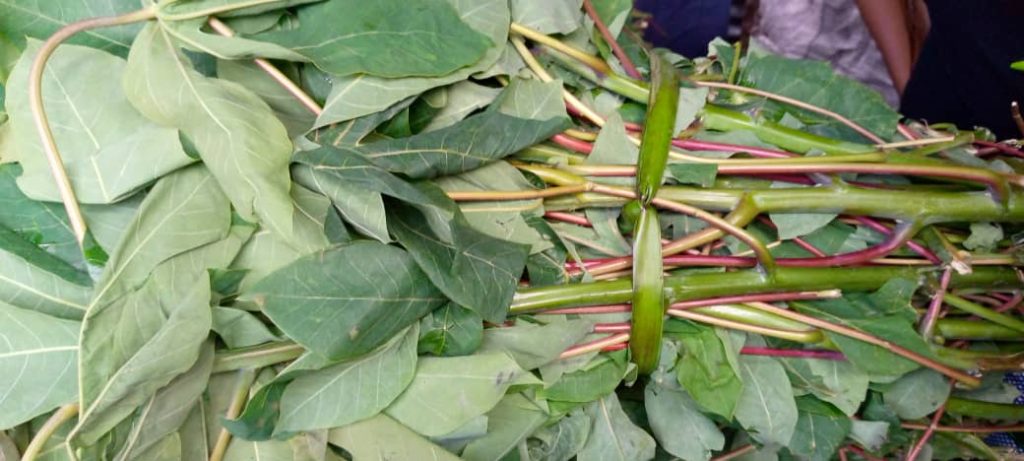
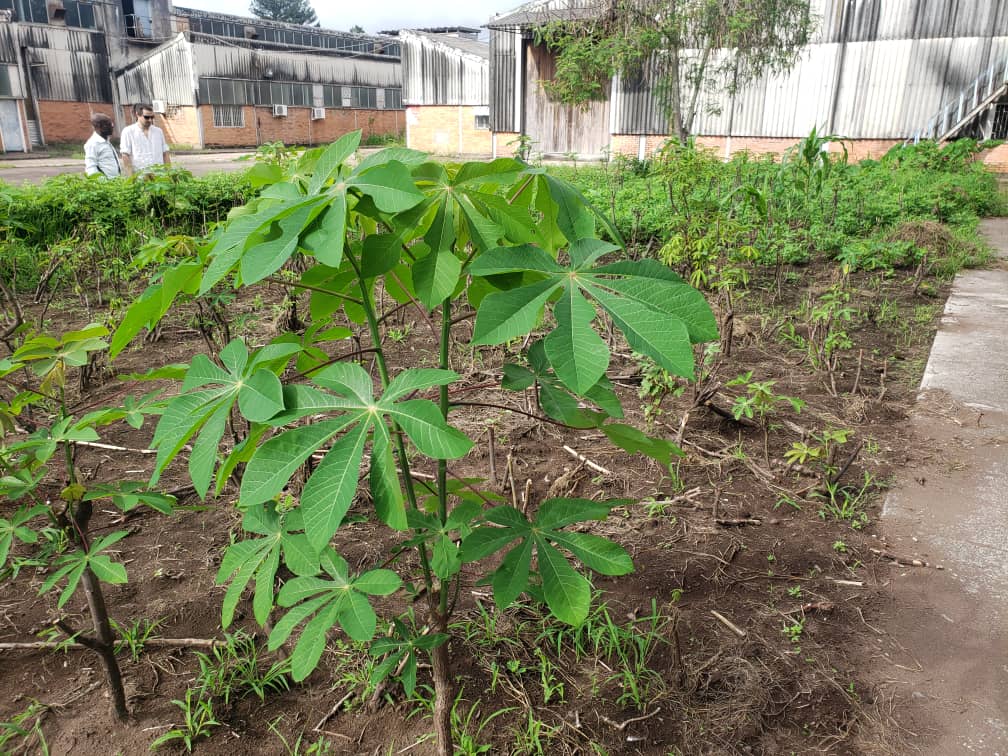
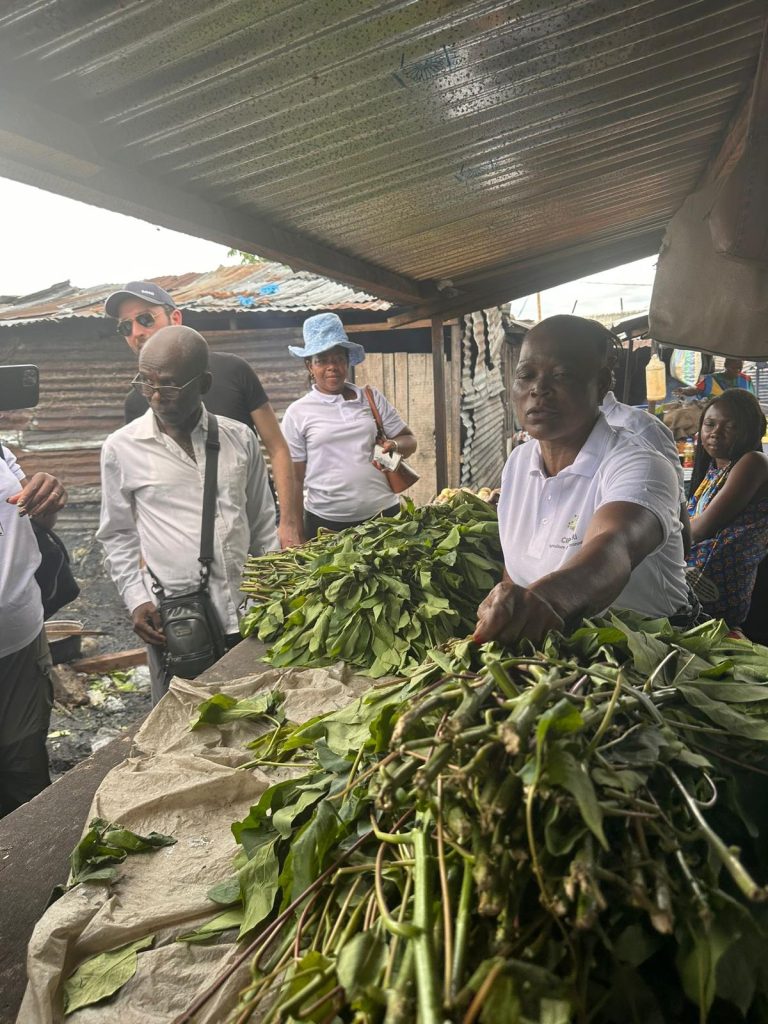
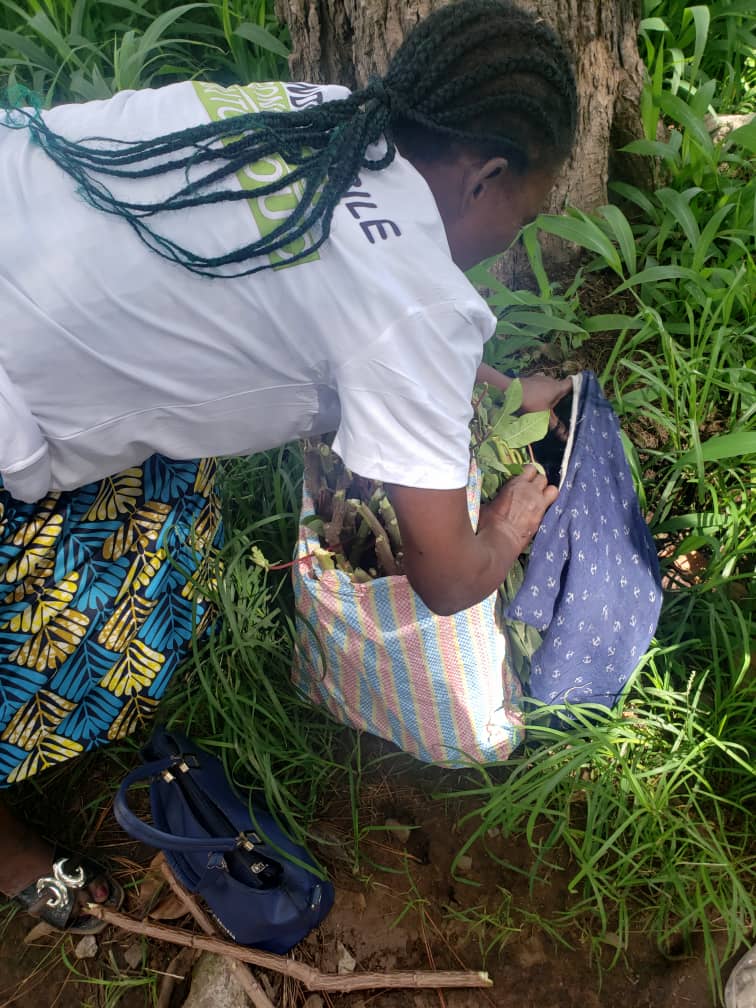
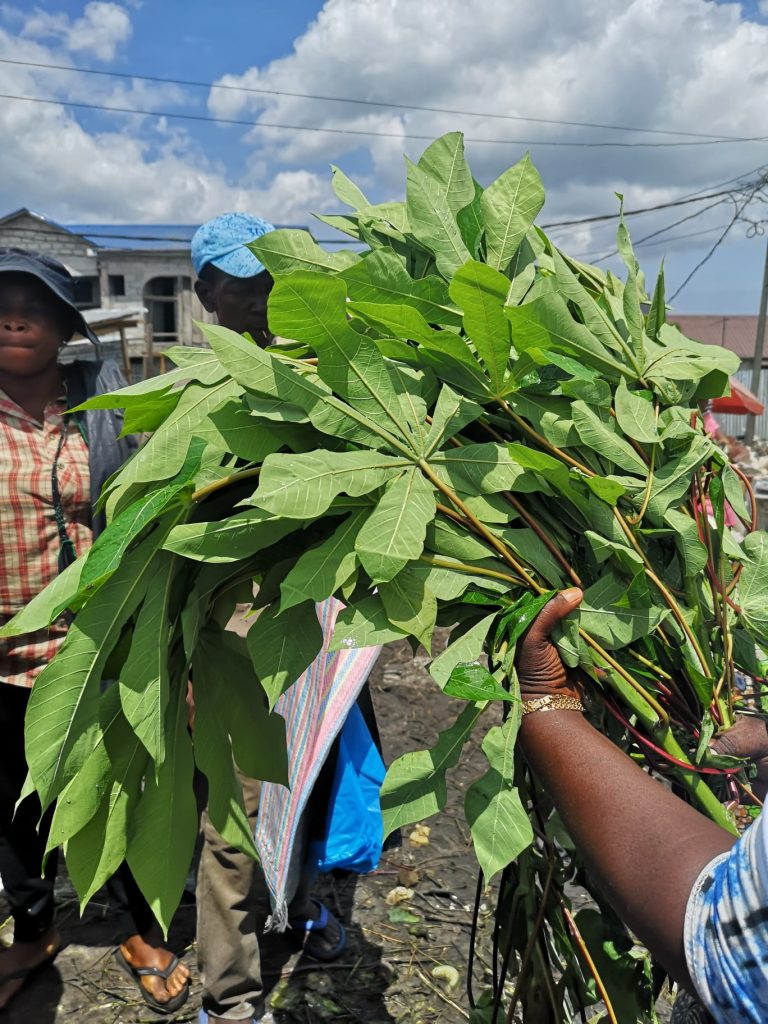
Manihot glaziovii cassava offers numerous benefits for food security and economic health in the Democratic Republic of Congo. The project aims to shine a spotlight on this little-known but promising variety through an ambitious research and development program coordinated by Prof. Bruno van Pottelsberghe of ULB – Solvay Brussels School of Economics & Management.


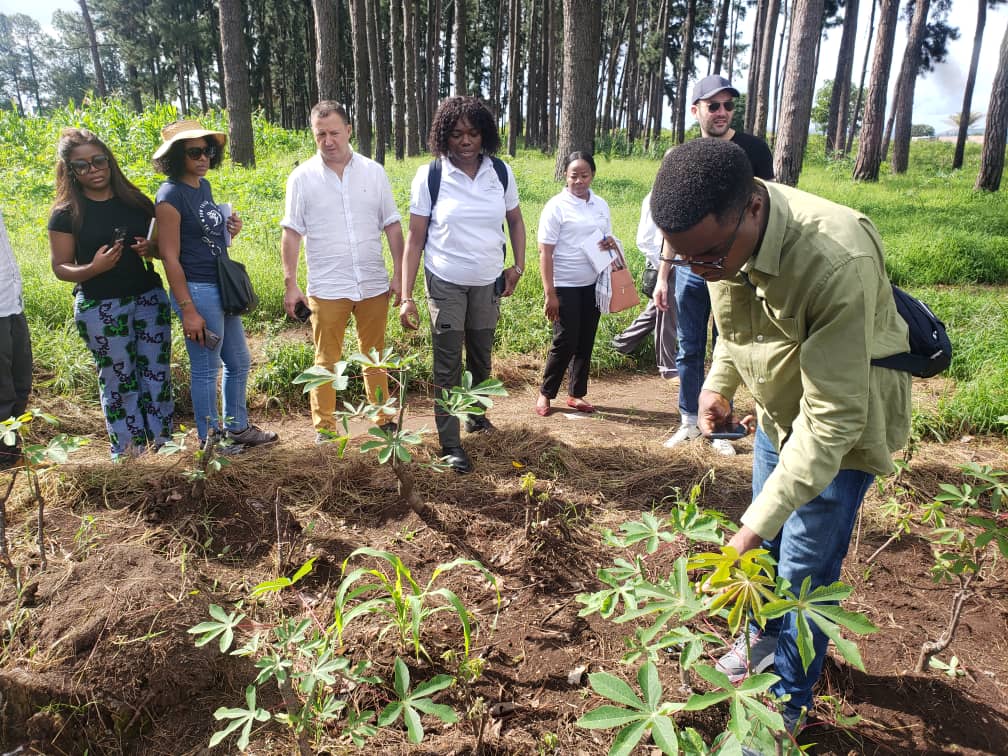
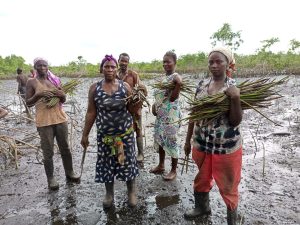
In the DRC, smallholder farming employs 70% of the working population and this sector accounts for 19% of GDP in 2021. The main crop is cassava, which generates up to 86% of agricultural household income. Cassava is also the staple food for more than 90% of Congolese people, and the DRC is the world’s leading consumer of cassava leaves. The country is also a producer, with nearly 46 million tons of roots harvested in 2021. Cassava cultivation is therefore essential for food security and economic health in the DRC.
Two types of cassava are consumed in the DRC: Manihot esculenta and Manihot glaziovii. The former dominates the market, as both its leaves and tubers are edible. As for the second, only its leaves are edible. These are in high demand and can be produced and consumed all year round, making them an important staple during periods when M. esculenta is no longer available on the market.
Promote, structure, and strengthen the value chains of Manihot glaziovii leaves, a little-cultivated but highly nutritious cassava variety that is in high demand among consumers in the DRC, thanks to the research of three doctoral students.


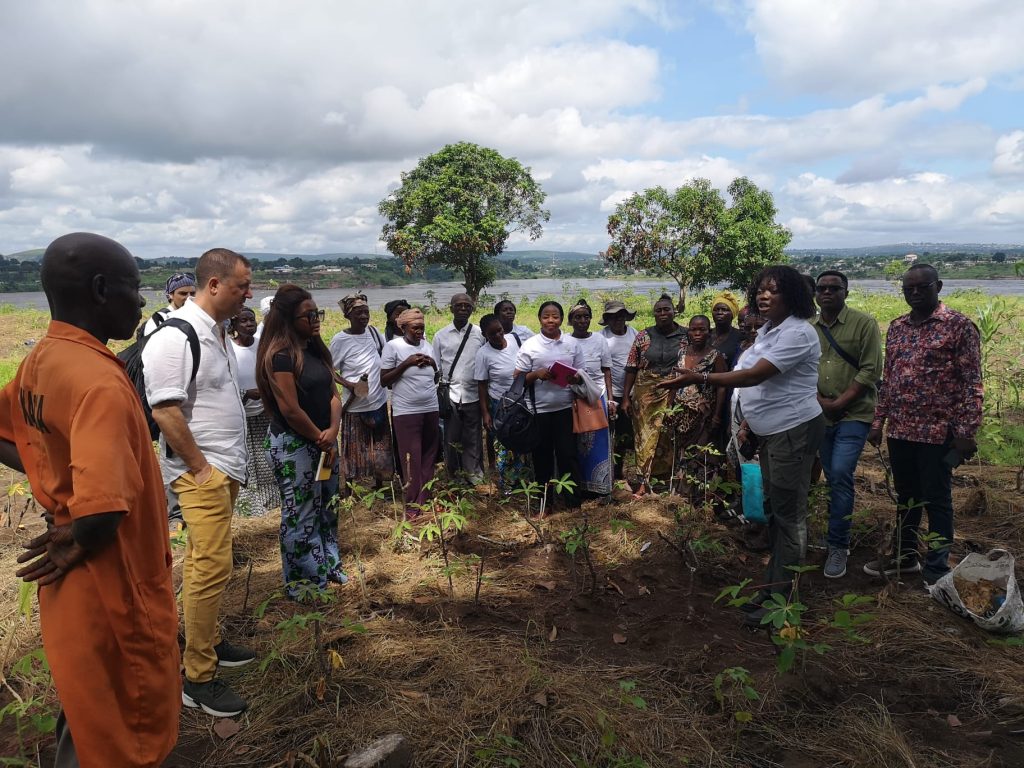
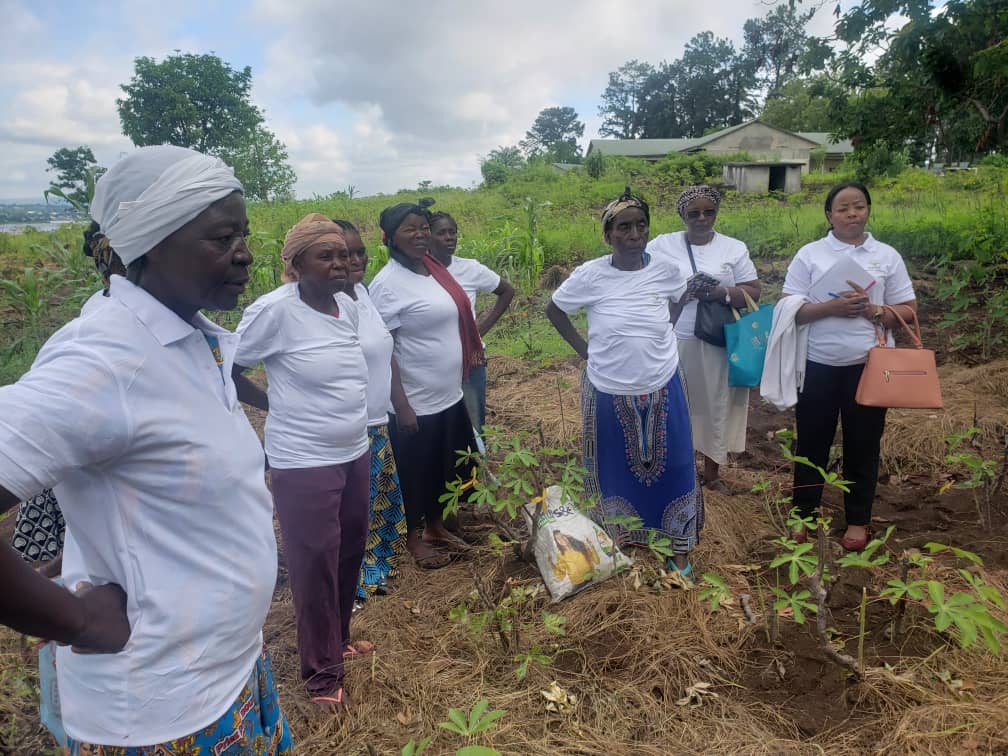
Ucoopia (formerly ULB-Coopération) will tailor its research to the needs and realities of family farms in the DRC. While certain techniques or technical approaches may be correct or relevant from a scientific point of view, they do not always meet local constraints.
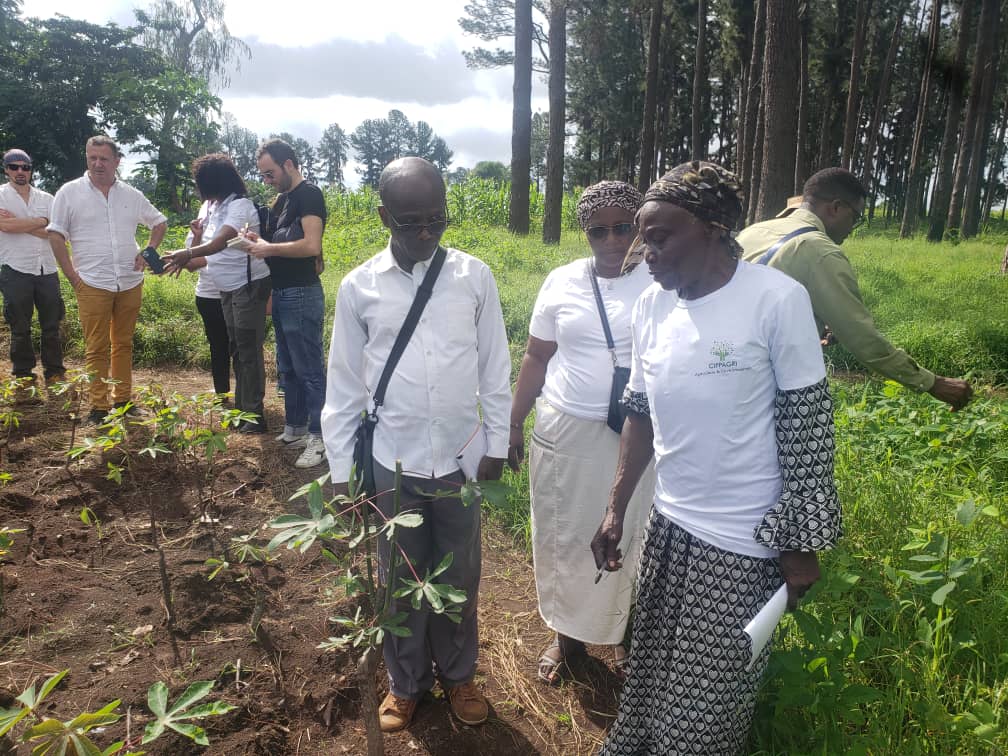
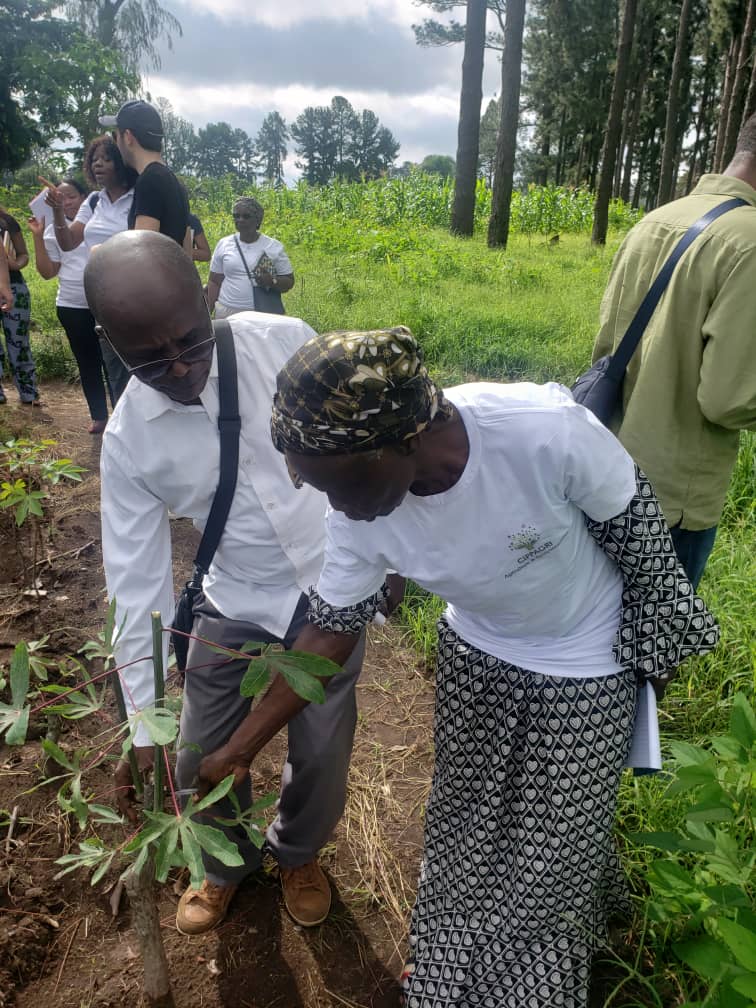
The varieties identified by agronomists will therefore be tested in the Champs Ecole Paysans (CEP) in Kongo-Central, combining different agroecological technical approaches. Farmers will also be involved in defining the criteria for evaluating the varieties.
The processing and preservation processes will also be tested under real-world conditions with the same members of these CEPs. The samples will be sent to laboratories and compared with samples obtained under controlled conditions.
€498,315.40
September 2025 – September 2030
Aucun article trouvé.
Democratic Republic of the Congo
Belgium | Democratic Republic of the Congo
Democratic Republic of the Congo
Democratic Republic of the Congo
Democratic Republic of the Congo
Democratic Republic of the Congo
Democratic Republic of the Congo
Democratic Republic of the Congo
Benin | Democratic Republic of the Congo | Guinea | Senegal
Democratic Republic of the Congo