
PARSAD
Agroecological Transition in the Cashew Nut Sector and Promotion of AVEC (PARSAD)
The Atacora region of Benin is characterized by very difficult agro-climatic conditions (poor soil fertility, uncertain and unpredictable rainfall). The main economic activity in the region is agriculture, practiced by more than 90% of households. However, poor agricultural results in certain sectors, due to crops that are poorly suited to the land and soil depletion, are exacerbating financial and food insecurity. This leads to lower yields, preventing producers from feeding themselves adequately and forcing them to migrate to the center of the country in search of fertile land.
Le Houet is part of Burkina Faso’s cotton-growing region. It is also a grain-producing area and a major producer of market garden produce. Soil degradation is severe and rainfall variable. This has led to stagnant or even declining agricultural yields, exacerbated by high volatility in grain prices. There is therefore a risk of socio-economic conditions deteriorating, with 34.4% of the regional population living below the poverty line.
In order to address various environmental challenges and meet the needs of populations, it is imperative to develop agricultural techniques that are better suited to local contexts, sustainable, resilient to climate change, and socially viable.
Agroecology is one such alternative agricultural technique, based on relevant endogenous knowledge: historical traditions, local knowledge, experimentation, and knowledge applied by farmers in their localities to manage and improve their crops and withstand climatic hazards in a sustainable manner.
Our action
Based on current knowledge of agroecology, the project aims to identify, analyze, and test the factors involved in the transition from rural family farming to agroecological practices at the regional level, to disseminate the most appropriate practices through development actors, and to propose a tool for measuring the agroecological shift in these regions.
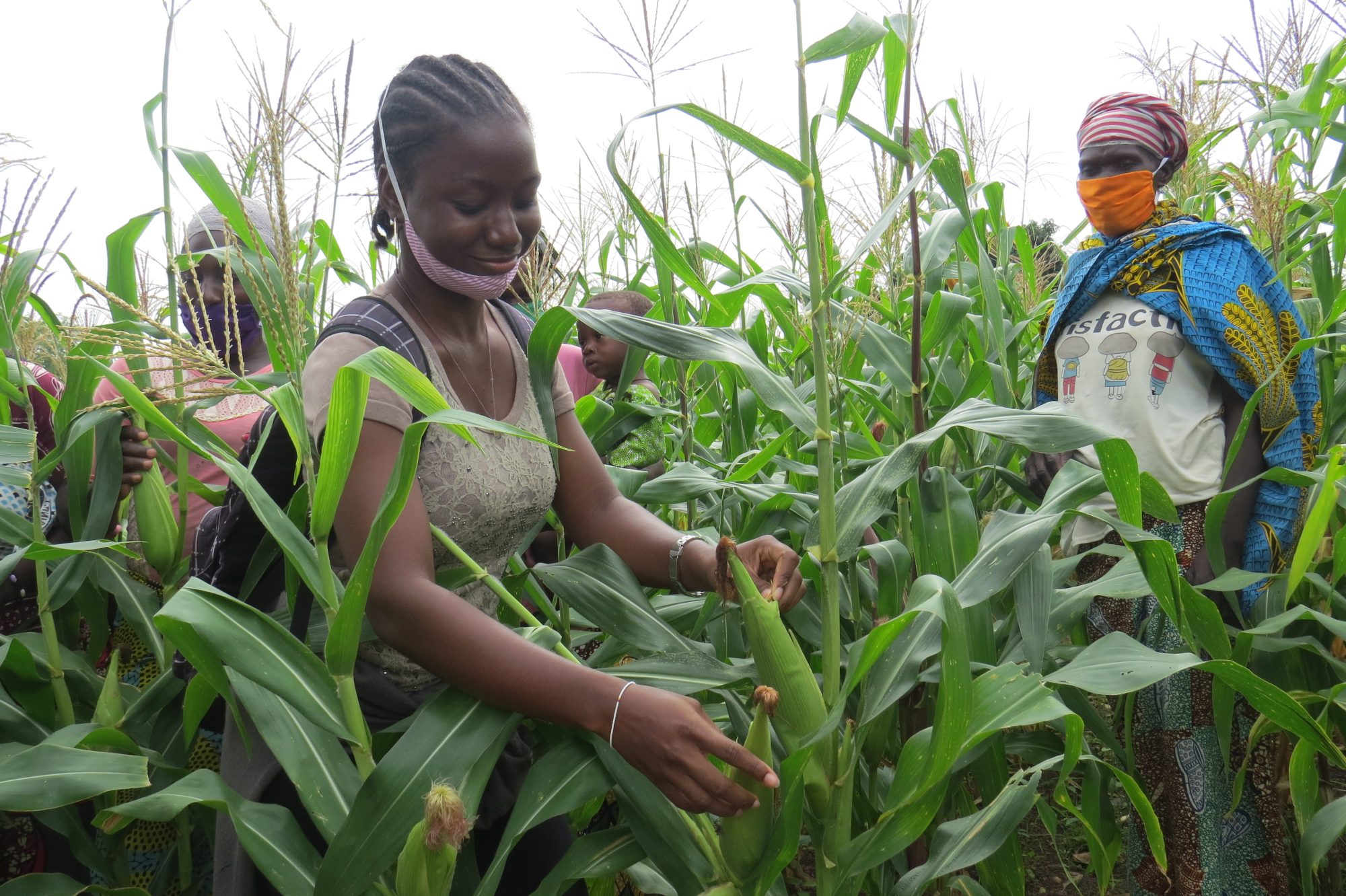
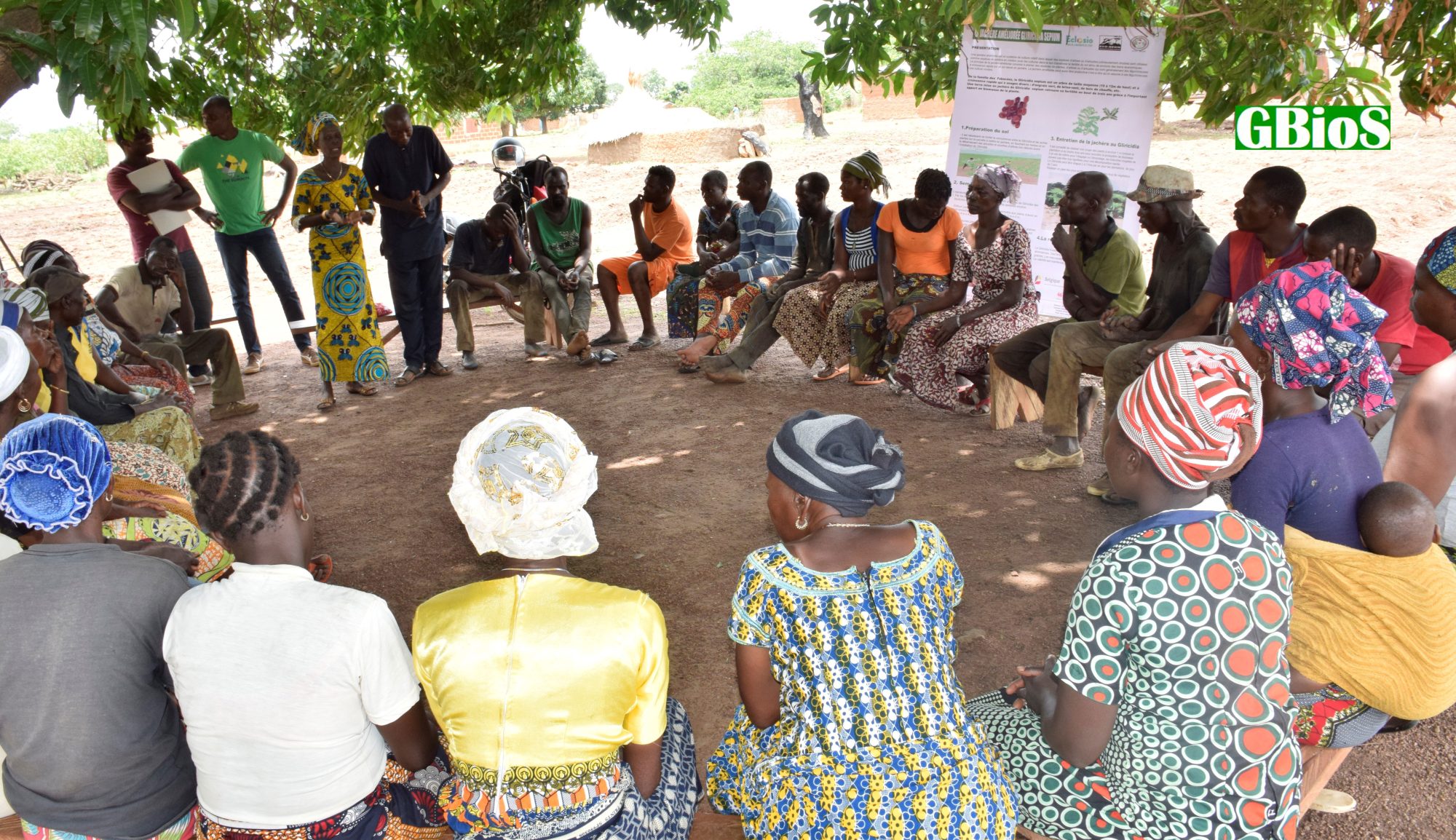
The project will use an actionresearch approach involving farmers practicing crop diversification and rotation (corn and market gardening) in Atacora (Benin) and Houet (Burkina Faso), academics, NGOs, and farmers’ organizations.
Together, they will examine the following issues at the local level:
- The performance of agroecological practices, their effectiveness in the context of climate change, their resilience to demographic pressure, and their contribution to combating soil degradation;
- The obstacles and drivers of change for an agroecological transition and its amplification at the regional level, ensuring the triple objectives of productivity, sustainability/resilience of agrosystems, and social inclusion.
- The development of a tool for monitoring and evaluating transitions to agroecological production at the regional level.
Summary
Duration: 60 months (April 2019–April 2024)
Location: Atacora Department, in northwestern Benin, and Houet Province, in western Burkina Faso
Budget: €499,968.57
Operational partners: Louvain Coopération, ULiège, UCLouvain, University of Abomey-Calavi (Benin), National Association of Women Farmers of Benin, National Center for Scientific and Technological Research (Burkina Faso), Nazi Boni University (Burkina Faso), Autre Terre (Burkina Faso), Confédération Paysanne du Faso (Burkina Faso)
Financial partner: ARES – Academy of Research and Higher Education
Beneficiaries: Active producers in the corn and market gardening sectors; operational partners; local trainers and agricultural entrepreneurs; doctoral and master’s students; consumers of agroecological products.