Modern Beekeeping Methods in Linkering and Sustainable Practices Project (MéLiPra)

As part of the Sustainable Food Systems and Natural Resource Management (SAD-GRN) program in Senegal, Ucoopia (formerly ULB-Coopération) is supporting the Maloré Economic Interest Group (EIG) in its transition to modern beekeeping, through training and equipment for apiaries and honey production.


Financial partners

Background

The Niokolo-Koba National Park (PNNK), surrounded by the regions of Tambacounda, Kolda, and Kédougou, is both a biodiversity reserve and an area under pressure. Since its classification as a protected area, the park has adopted strict regulations to limit the activities that can be carried out there, which has led to conflicts between conservation objectives and the needs of local populations. Out of necessity, local communities engage in illegal economic activities, at the expense of the park’s conservation objectives.

In response to these challenges, the MéLiPra project is developing the beekeeping sector and complements the actions of the five-year program run by Ucoopia (formerly ULB-Coopération) in Senegal. It reinforces the support work and focuses on honey production and processing operations.

Location

The project is located in the municipality of Linkering, which has a population of 20,513 (ANSD[1] 2013). Located in the department of Vélingara, in the Kolda region, the municipality is bordered to the east by Niokolo Koba National Park.

[1] Senegalese National Agency for Statistics and Demographics

Objectives

The MéLiPra project aims to increase household incomes while ensuring the preservation of natural resources and the use of agroecological practices.
Sustainable Development Goals (SDGs)

Beneficiaries

Direct: 41 honey producers (3 women and 38 men) from the Balal Saré economic interest group (EIG) (now called Maloré) in Linkering

Indirect: 400 people

Impact

  • The 41 producers are trained and adopt modern and sustainable beekeeping techniques.
  • The economic interest group is equipped and markets its products to new markets.
  • 2,500 trees, including 500 honey trees, have been planted.
  • Households in the surrounding area benefit from these actions.

Actions

Actions carried out during the first half of the year

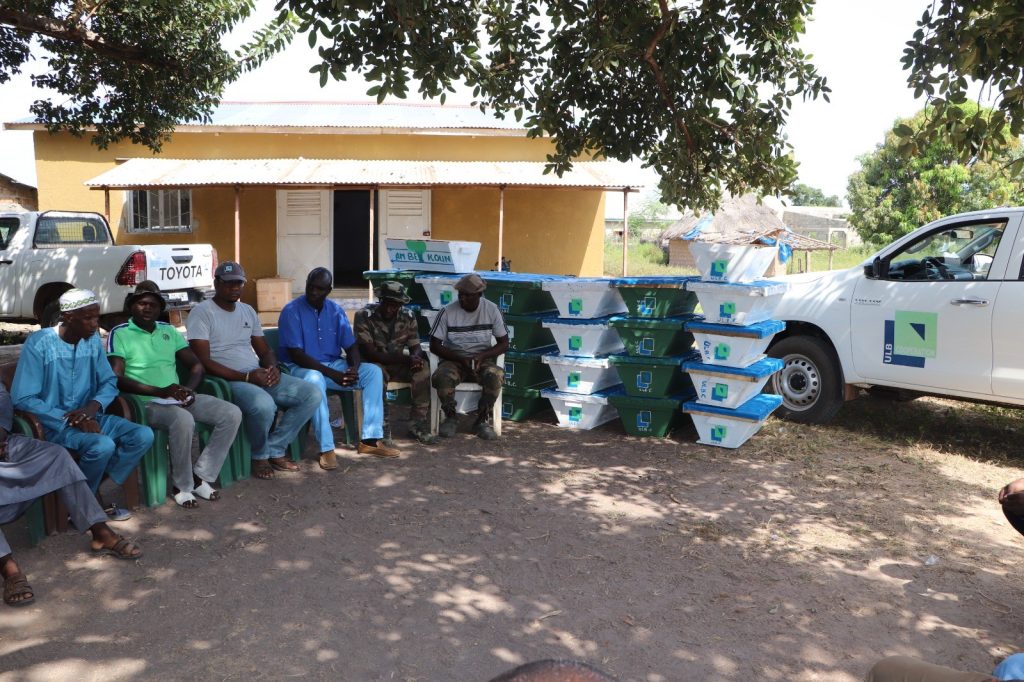
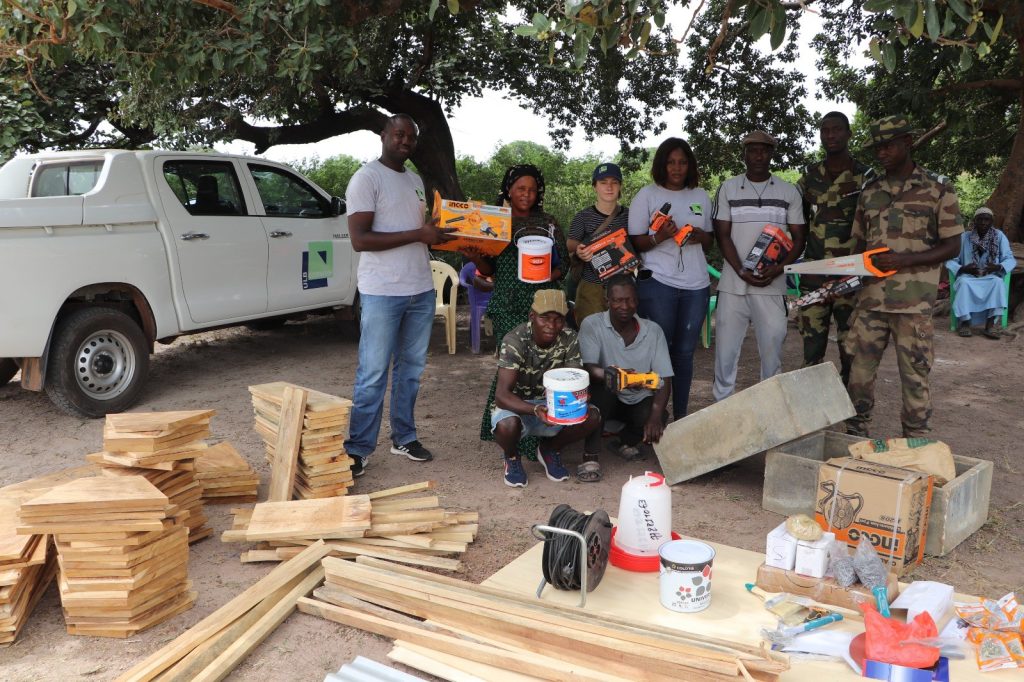
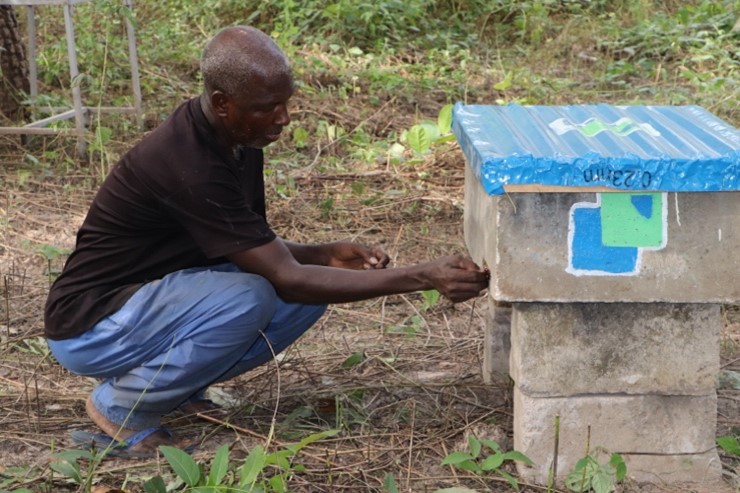
  • Purchase of beekeeping equipment (beehives and beekeeping kits were delivered and received by members of the economic interest group)
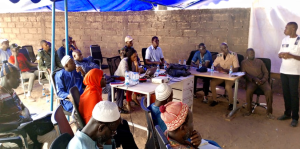
  • Training in modern beekeeping and good beekeeping practices (a five-day training course was organized to build the capacity of beekeepers)
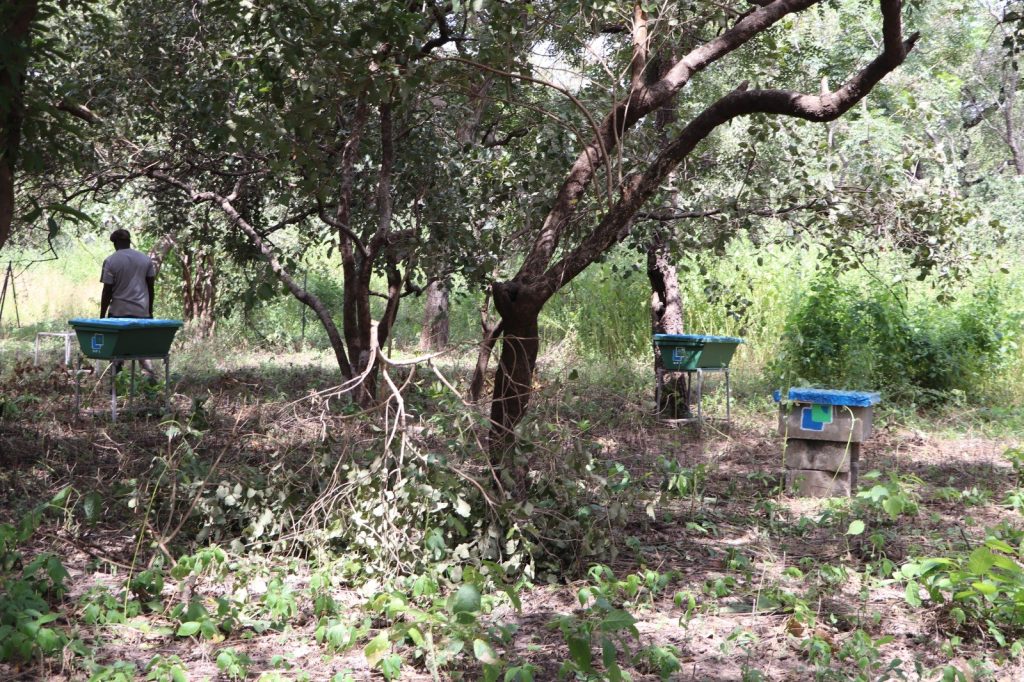
  • Installation of apiaries (including the largest apiary in the village of Kalifourou. Covering an area of 2,500m², with 25 Kenyan hives and a dozen traditional hives installed, it will serve as a training apiary for the region).
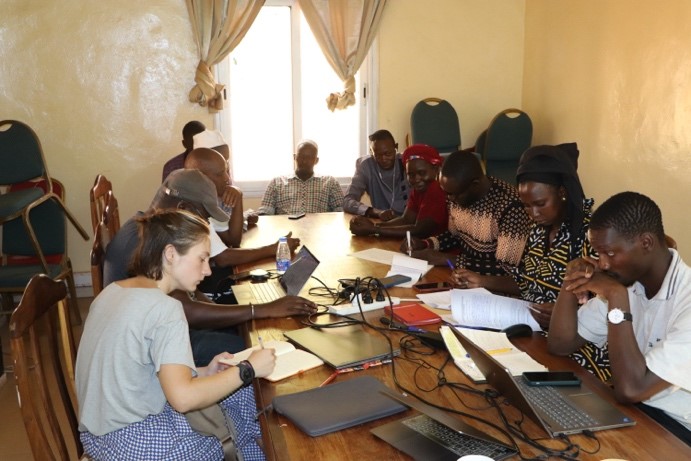
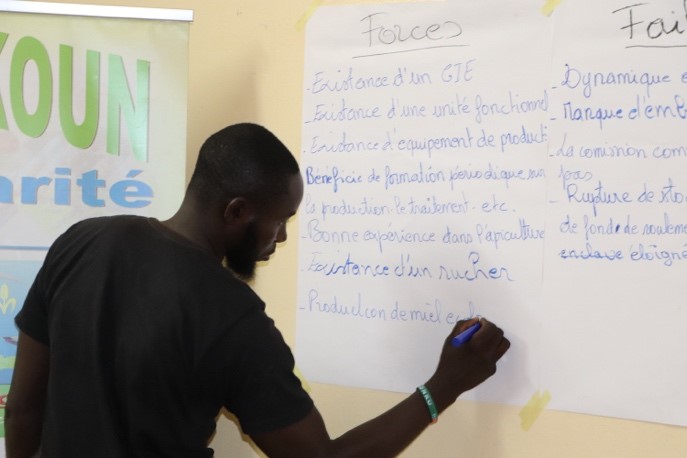
  • Organizational dynamics and monitoring of apiaries (our partner ABK-S’s team is working on developing management and operational tools that will be tailored to the honey farm and the group’s activities)
  • Purchase of equipment for the honey house (a honey press to separate the honey from the wax and ripeners to ensure the honey matures).

Actions carried out during the second half of the year

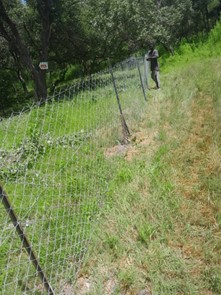
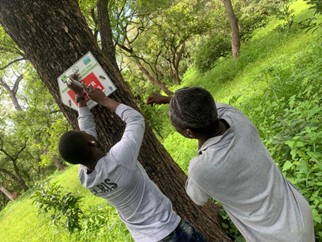
  • 200 m fence and security measures for the educational apiary (using wire mesh, a metal gate, and “Beware of bees!” signs to protect the apiary from livestock and raise public awareness of the danger)
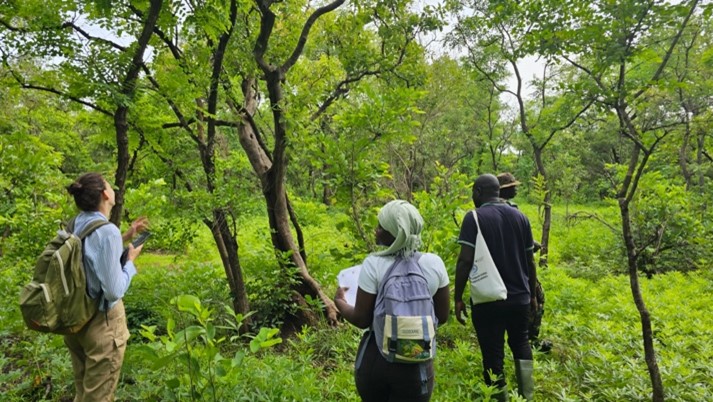
  • Study on honey plants (thanks to collaboration with the Laboratory of Botany and Biodiversity (LBB) at the University of Dakar (UCAD), a study on the recognition of honey plant species in the municipality of Linkering was carried out).
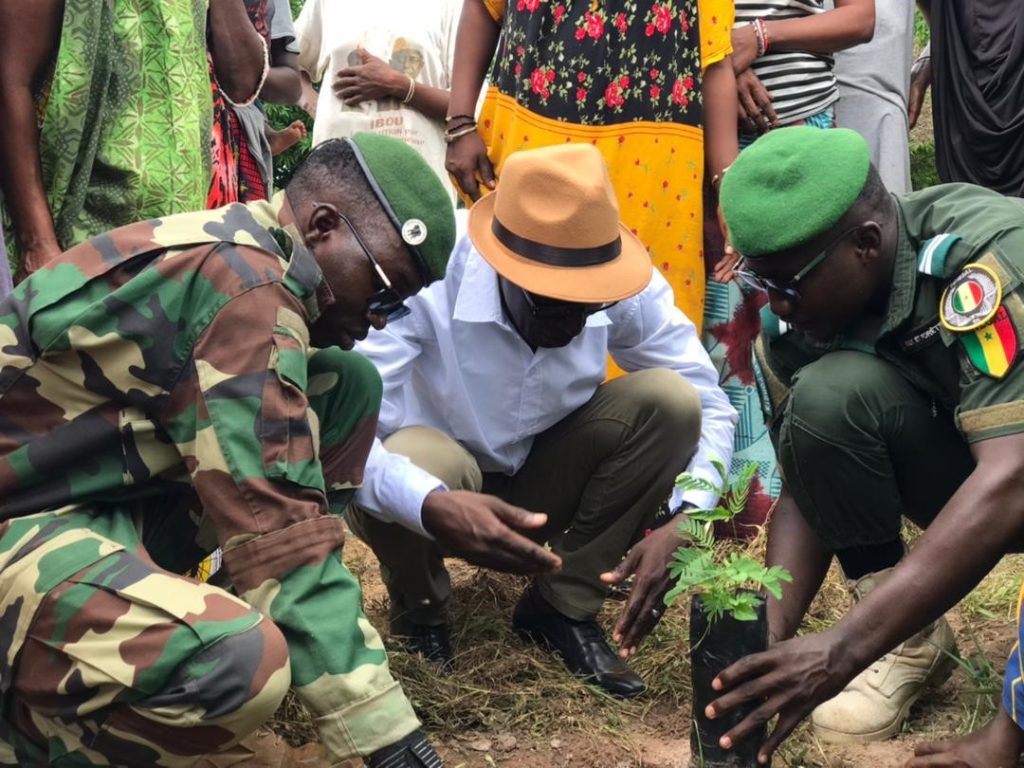
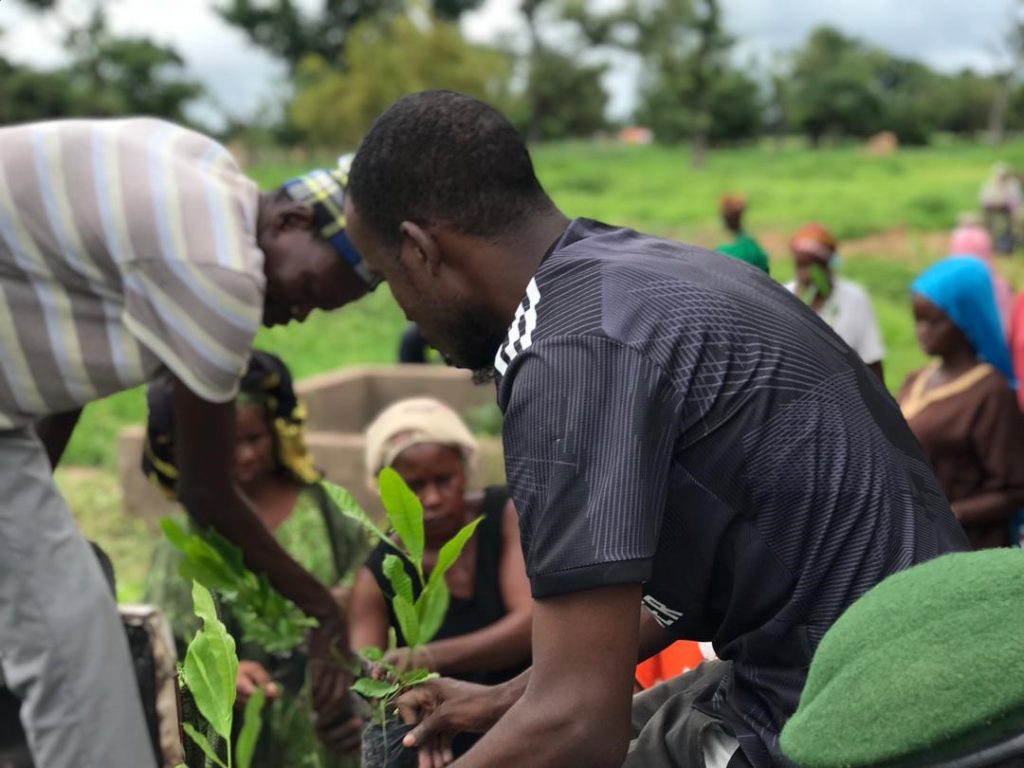
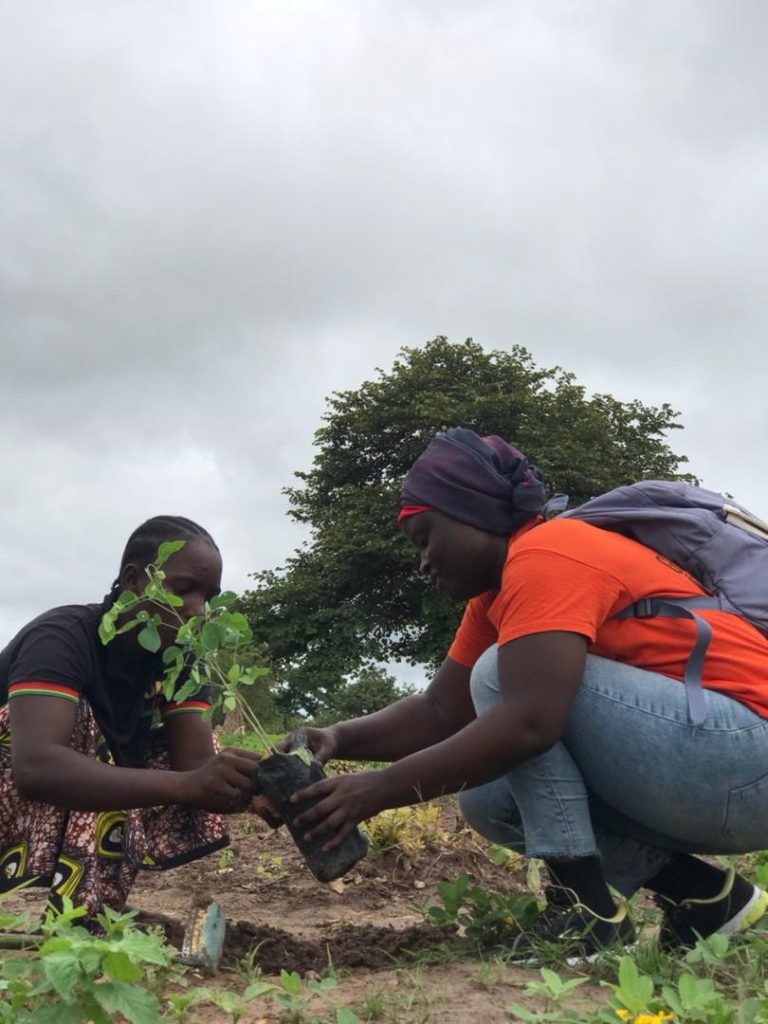
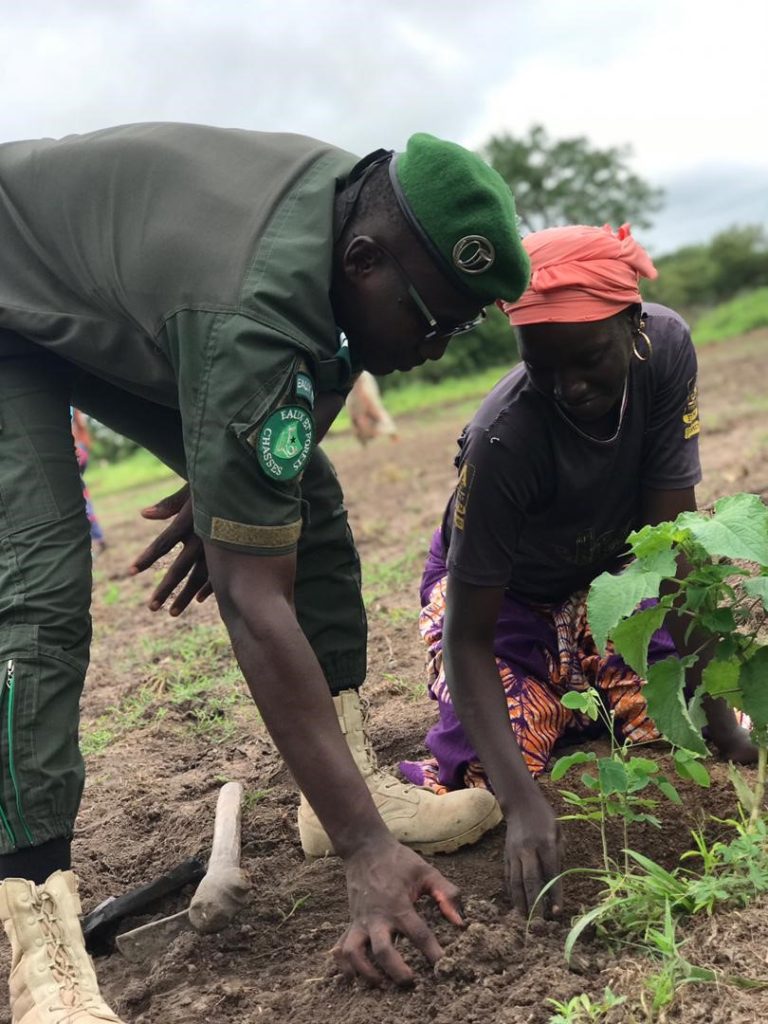
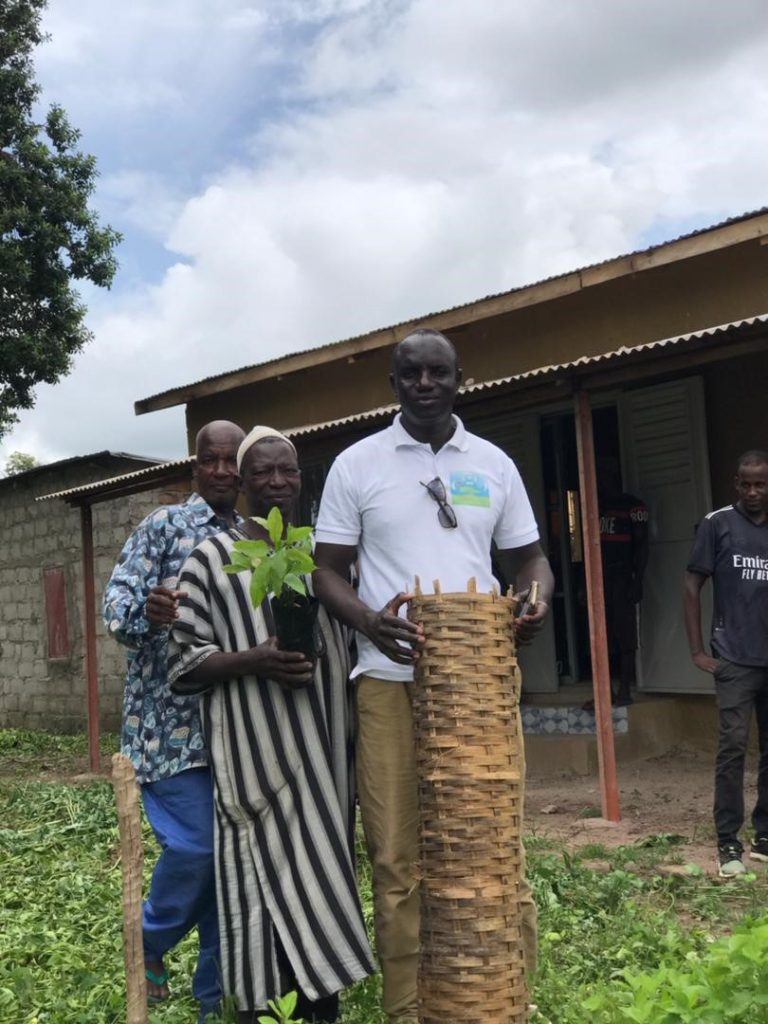
  • Reforestation of honey plants and other tree species (reforestation activities were organized in agroforestry areas and villages in the Linkering and Dialacoto regions)
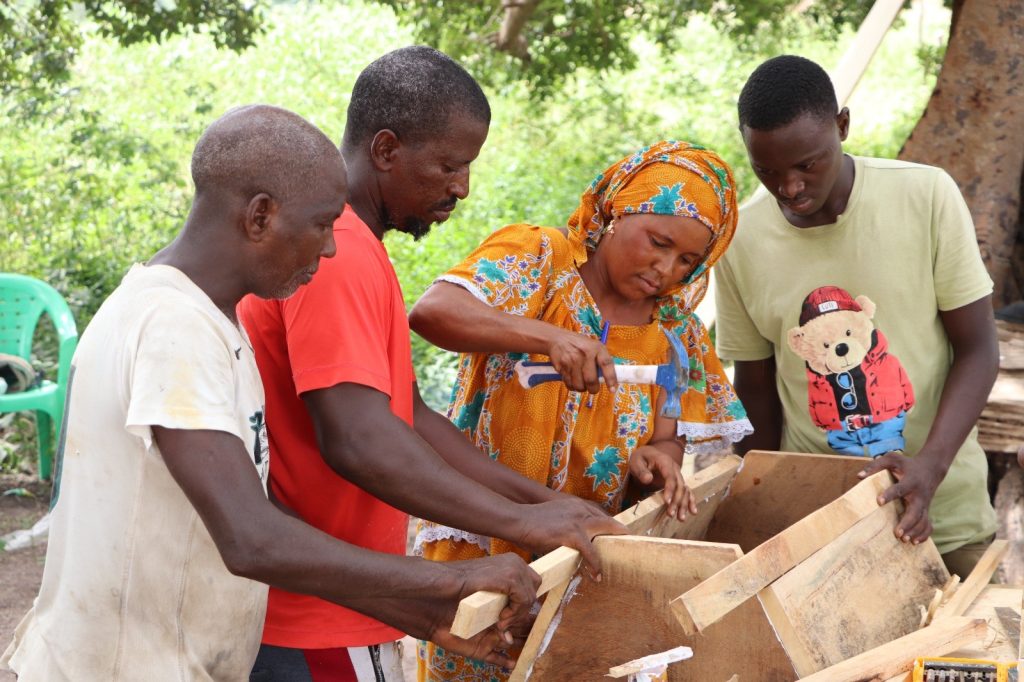
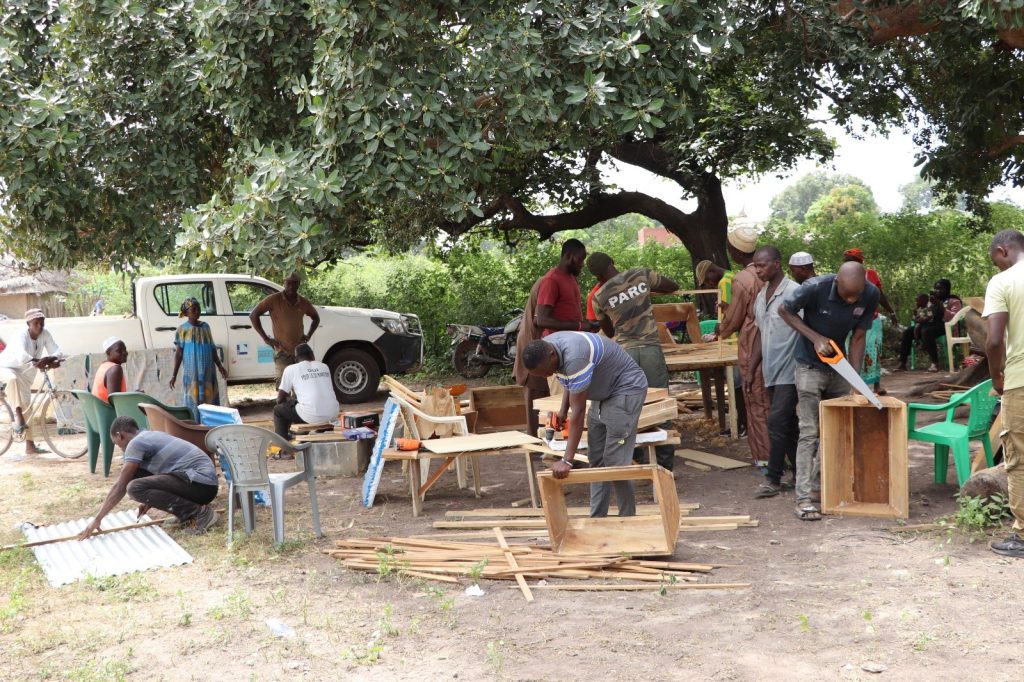
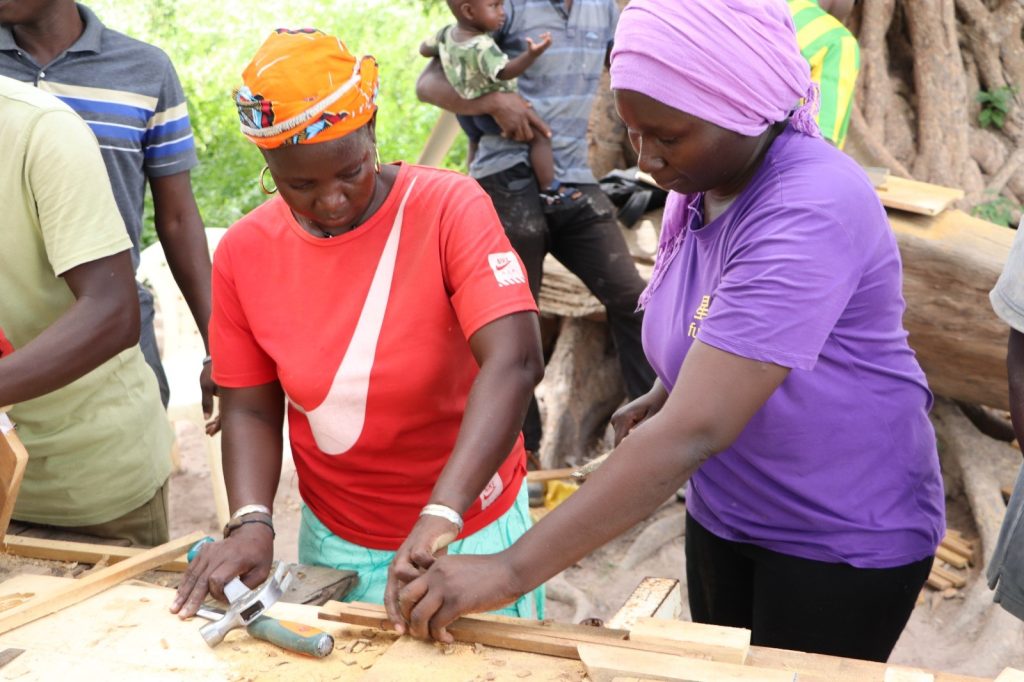
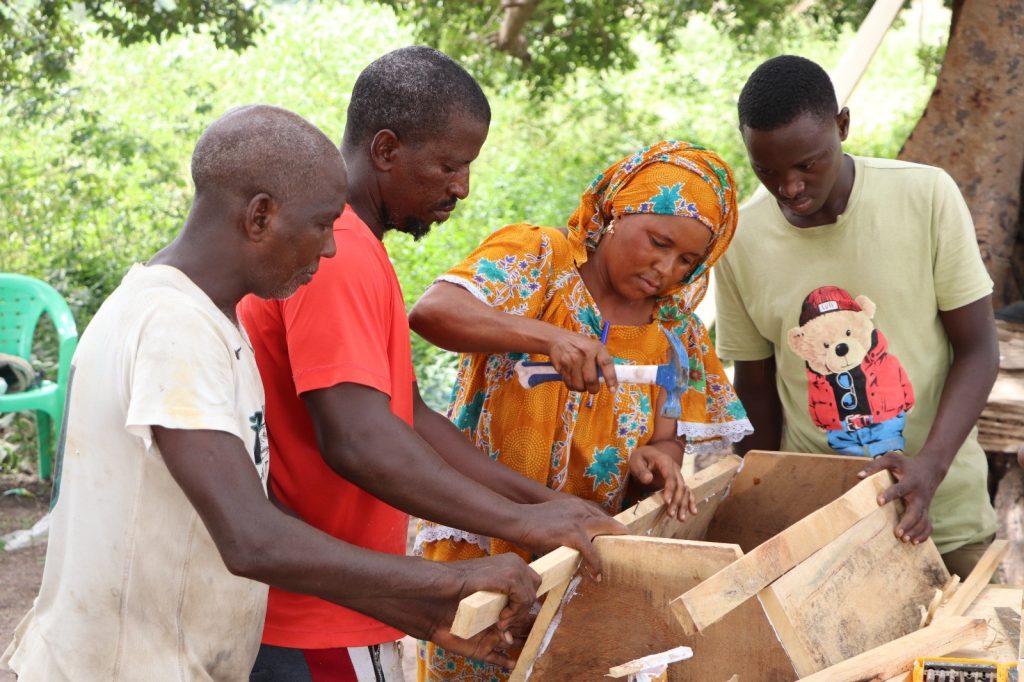
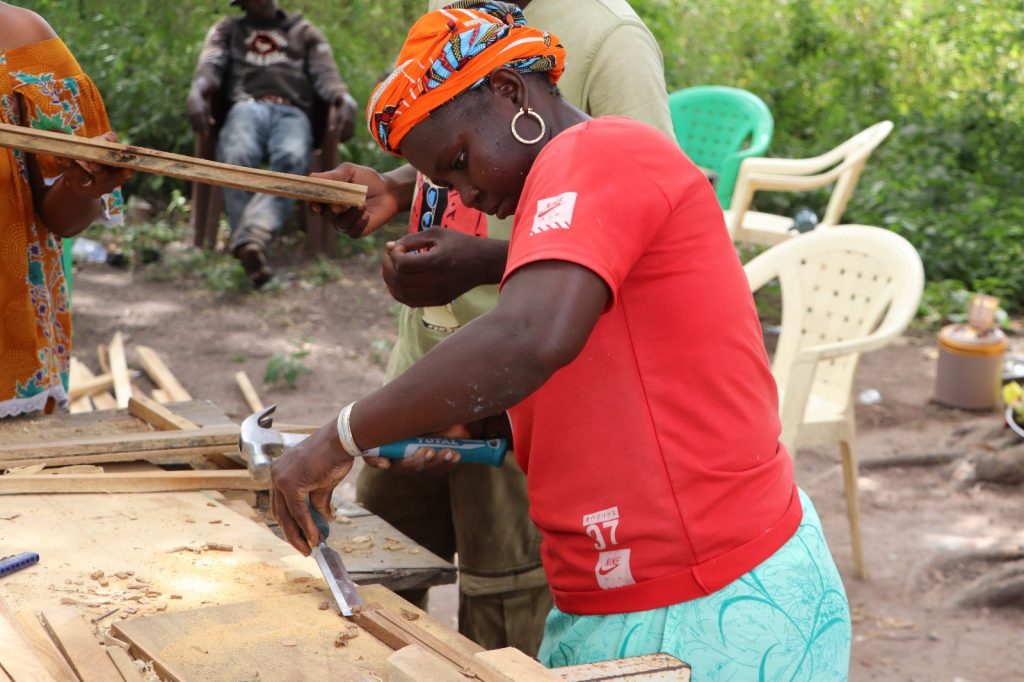
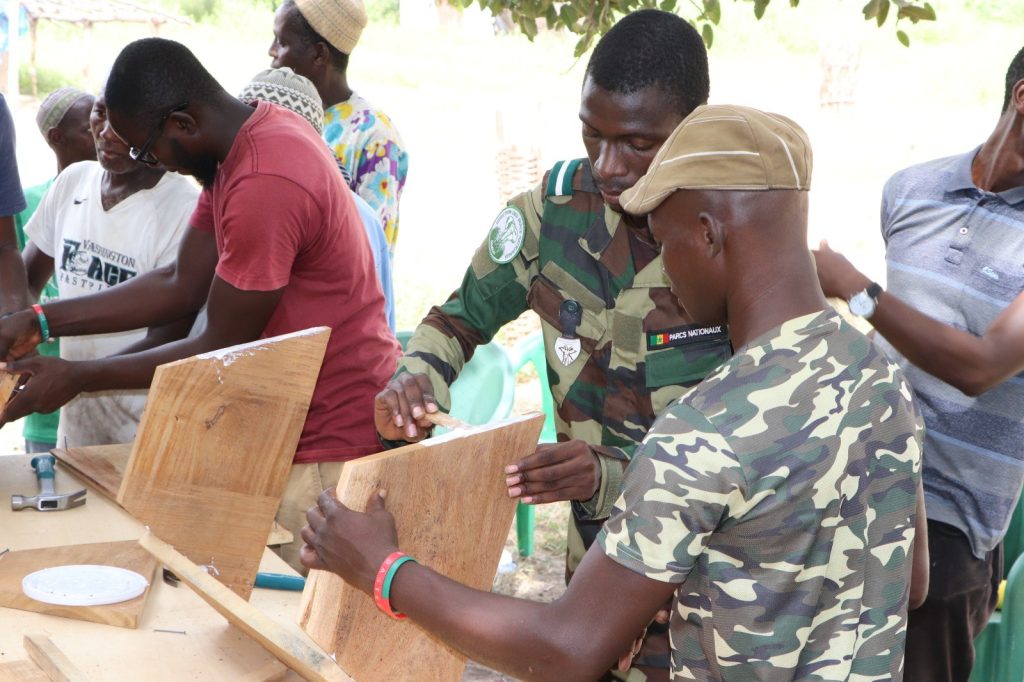
  • Training on the manufacture and repair of Kenyan beehives (with a view to empowering the sector)
  • Training in marketing, development of a marketing action plan, creation of a logo (which will add value to the products of the members of the beekeepers’ economic interest group and facilitate their sales).

Operational partner

Am Bé Koun-Solidarity (ABK-S)

Budget

€20,000

Duration

12 months

Contact persons

Ousmane NIANG and Thierry DE COSTER

In a few pictures

Testimonial from Nadeige VandewalleIntern at Ucoopia (formerly ULB-Coopération) Senegal

Related news

Aucun article trouvé.

Related projects