Mangal Festival
Since 2023, the Mangal Festival—a contraction of mangrove and festival—has positioned itself as a pioneering project at the crossroads of art, science, territory, and environmental commitment. The goal? To create a platform for exchange and collective creation dedicated to the preservation and enhancement of mangrove ecosystems. In West Africa, mangroves play an essential role in biodiversity, food security, and the livelihoods of coastal communities. However, these ecosystems are currently under severe pressure from overexploitation of resources, pollution, urban development of coastlines, and the effects of climate change. These issues transcend national borders and call for collective responses rooted in local communities.
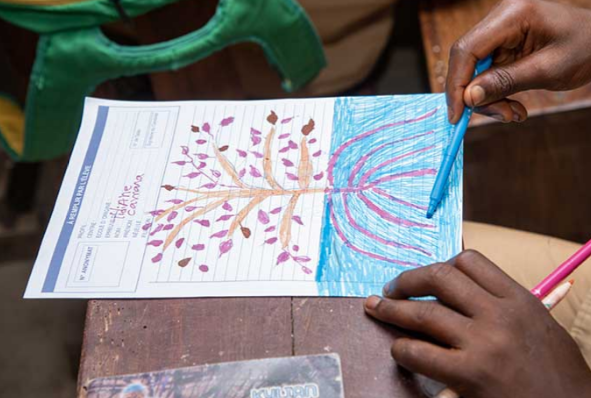
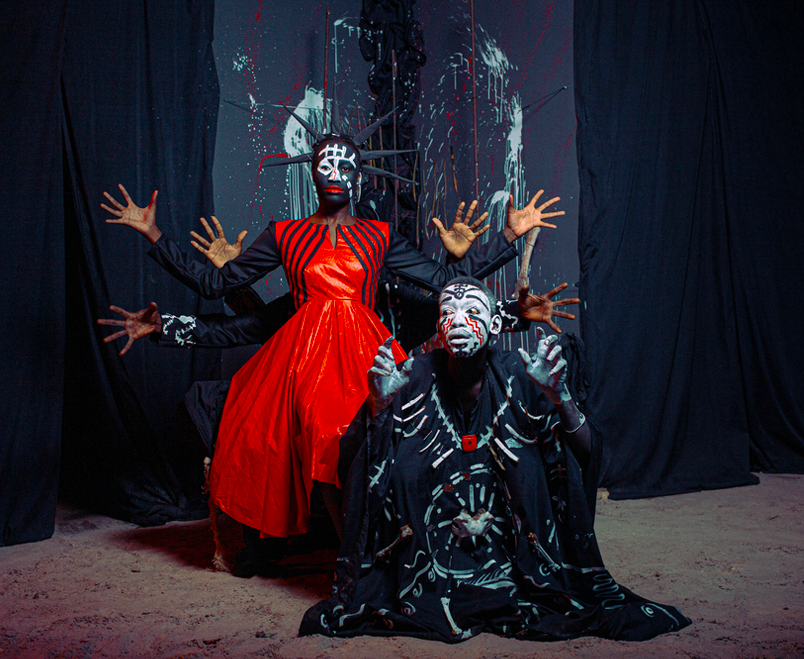
After a first edition in Senegal, organized by the Collectif 5 Deltas (C5D) as part of the “Mangrove Forest Management” project funded by PapBio, the Mangal Festival continues in Benin for a second edition. This second edition, led bythe Collectif des Deltas du Golfe du Bénin, an initiative similar to C5D but bringing together stakeholders from Togo, Benin, Ghana, Côte d’Ivoire, and Nigeria, will focus on agroecology and ecotourism in the Mono Delta Transboundary Biosphere Reserve (RBDM). The RBDM is a protected area shared by Togo and Benin, with rich biodiversity and recognized by UNESCO, but now weakened by strong pressures on its natural resources. The festival brings together scientists, artists, community and economic actors around a dynamic of cross-border cooperation in order to strengthen existing local initiatives, stimulate synergies between different sectors, and raise awareness about the preservation and enhancement of the reserve.
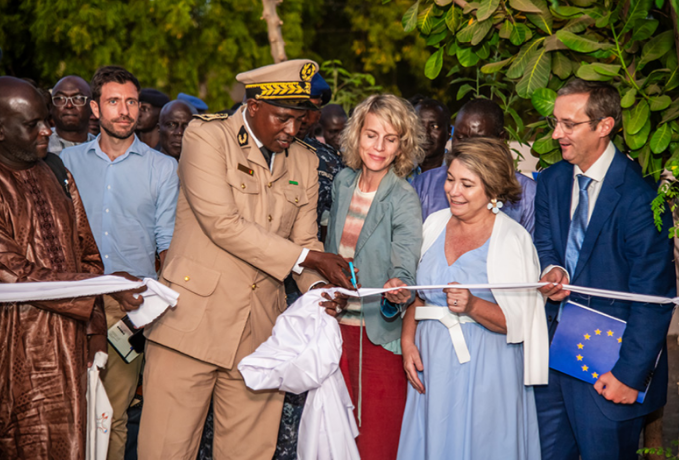
The Festival is part of a series of initiatives already underway in the reserve, including the AGEREB and Delta Mono projects, funded by the European Union, and the ECODELTA project, funded by LuxDev. Together, these projects work to conserve ecosystems, promote agroecology and sustainable food systems, and support the socio-professional integration of young people and women in the RBDM.
Target audience
The target groups of the project are:
- Communities living in the RBDM
- Students and teachers from schools in the RBDM
- Protected area managers and local authorities
- Artists, researchers, and scientists mobilized
- Economic actors
- The general public in Benin and internationally
Summary
- Duration: September 2025 – September 2026
- Location: Mono Delta and Grand Popo Transboundary Biosphere Reserve
- Administrative and financial partners:
- European Union
- LuxDev
- Helvetas
- Operational partners:
- The Gulf of Benin Deltas Collective
- Partner projects:
- AGEREB
- Delta Mono
- EcoDelta