Kabongoye Campus
Senegal
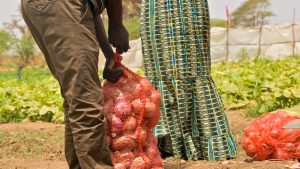
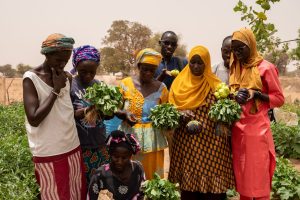
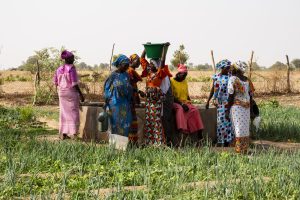
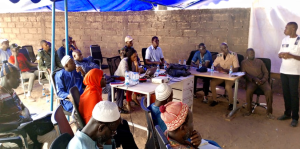
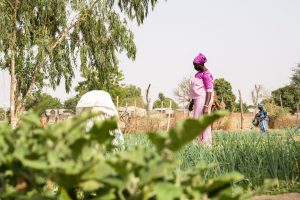
In Senegal, in the Saloum Delta Biosphere Reserve (RBDS), the cultural, economic, and ecosystem damage caused by climate change is mounting. The project, supported by AWAC and carried out with APEFE and Nebeday, aims to compensate for the losses and damage suffered by local populations.
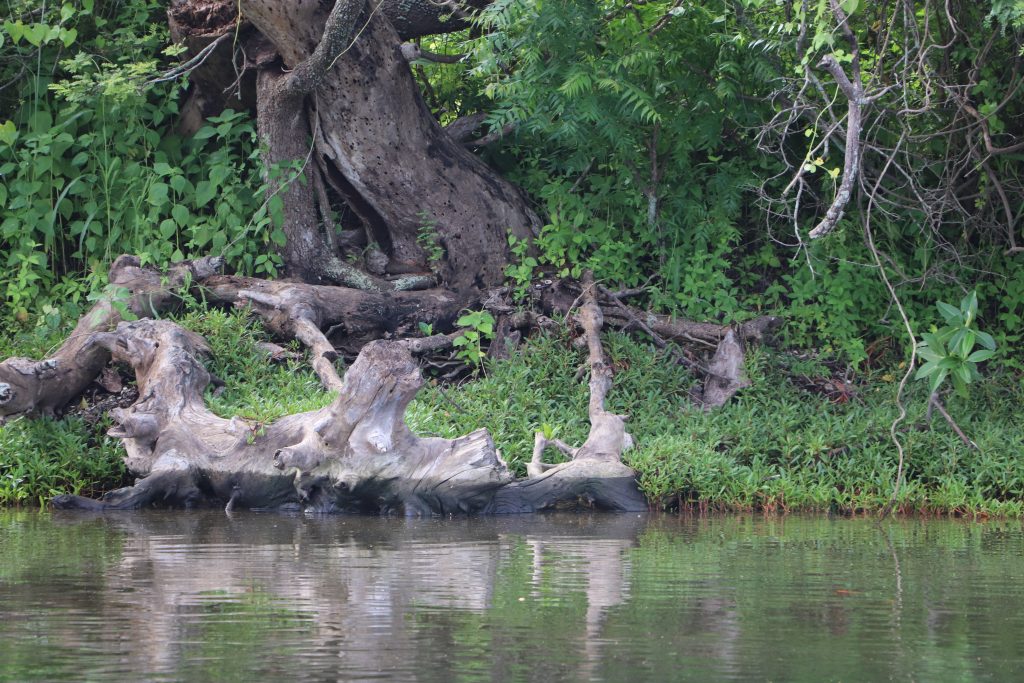
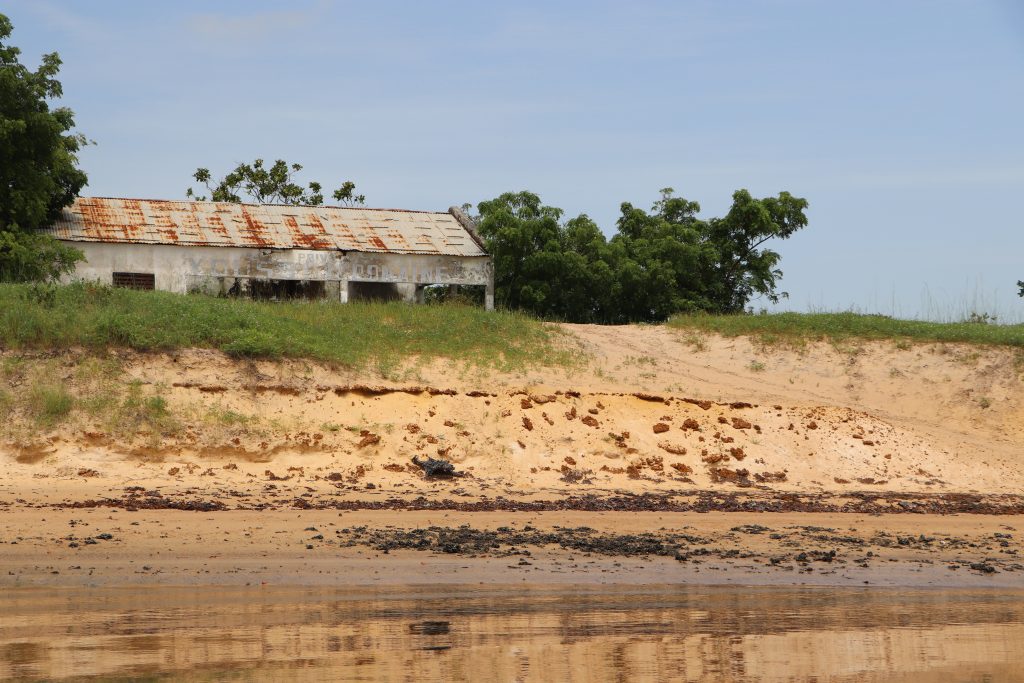
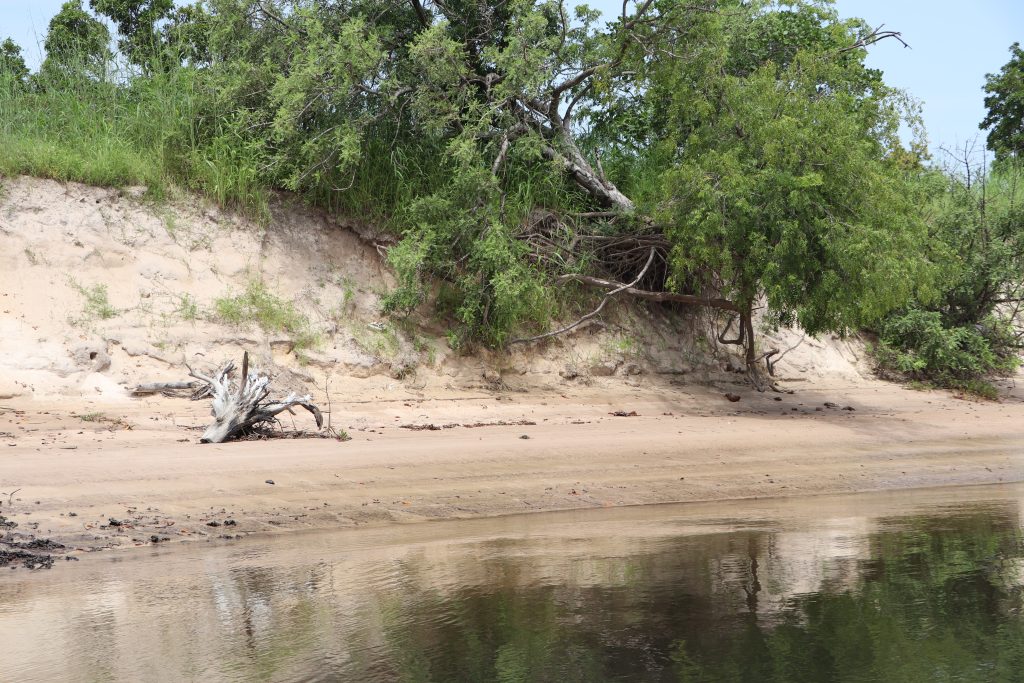
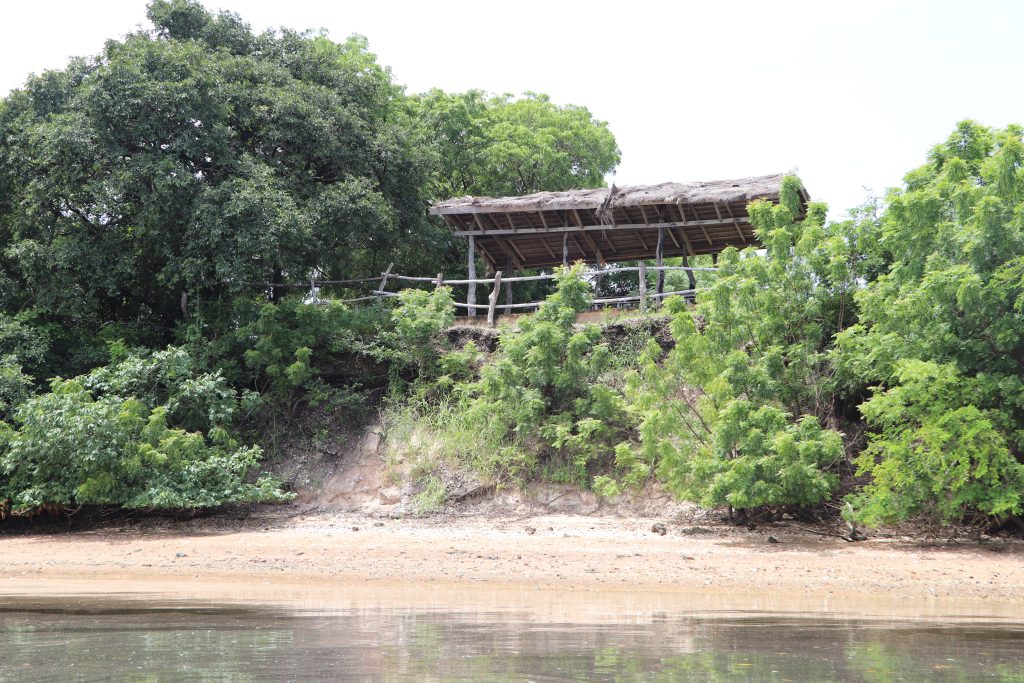
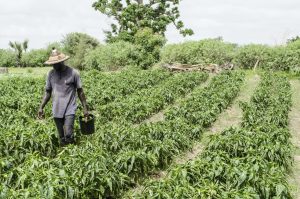
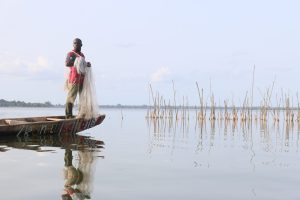
The Saloum Delta Biosphere Reserve (RBDS) covers an area of 334,000 hectares and contains a wealth of resources that are of vital economic and subsistence importance to local communities. This region, classified as a Ramsar Site and listed as a cultural landscape on UNESCO’s World Heritage List, is facing drought, soil salinization, coastal erosion, forest degradation, declining agricultural production (particularly rice farming), and the decline or even disappearance of certain marine, plant, and animal species. These factors have a direct impact on the economic development of the delta and on the living conditions of the population, particularly low-income households, which make up the majority in this area.
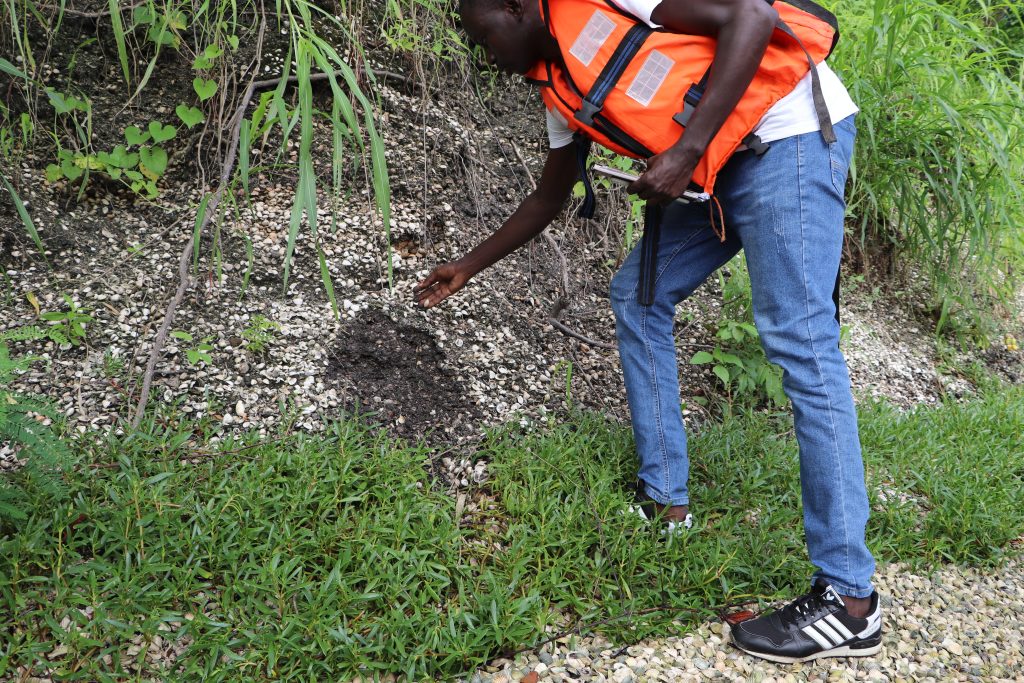
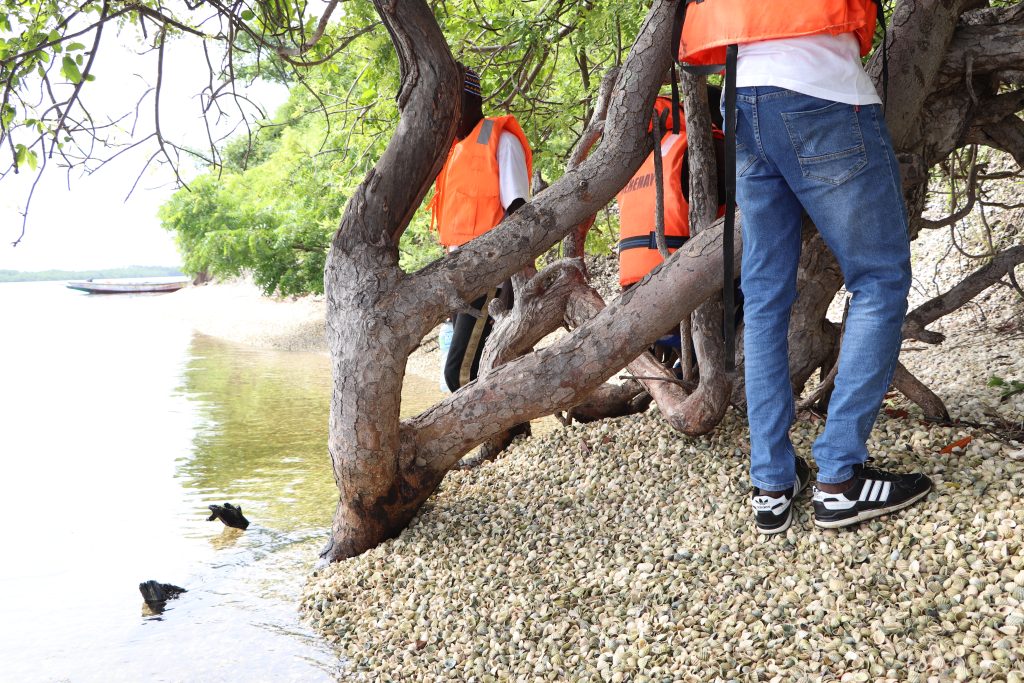
Today, sea levels are rising by an average of 1.4 mm per year, while the coastline is receding by between 1.3 and 1.5 m per year in the Saloum Delta. This rise in water levels threatens shell mounds, whose structure contains necropolises and/or cultural remains that are invaluable for understanding the Delta’s thousands of years of history. There are 28 such sites in the RBDS, including Diorom Boumak, a UNESCO World Heritage Site.


Aucun article trouvé.
Senegal
Senegal
Benin | Democratic Republic of the Congo | Guinea | Senegal
Senegal
Senegal
Senegal
Senegal
Senegal
Senegal
Senegal
Senegal
Senegal
Senegal
Benin | Burkina Faso | Guinea | Senegal