Food Systems, Market, and Water (SAMA)
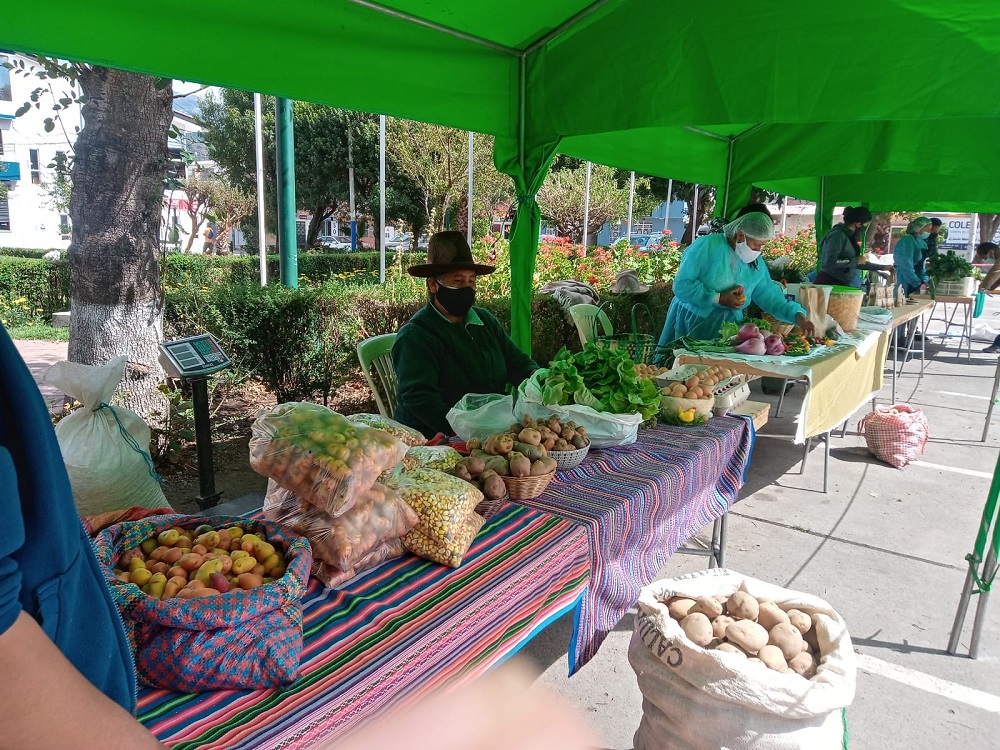
The participatory action research project SAMA (Food Systems, Market, and Water) aims to deepen understanding of local food systems and promote Andean family farming, particularly agroecology, based on the communities and territories of the high Andes of the Cordillera Negra de Aija (Ancash, Peru).
Context
In the territories of Ancash, located between 3,200 and 4,000 meters above sea level, family farming predominates, geared toward the local market and self-consumption. The organic products obtained are not sufficiently valued. The region has high rates of poverty and child malnutrition, as well as high emigration. In addition, in this semi-arid area, water resources are becoming increasingly scarce due to climate change. To respond to these challenges, there are experiences of community land management and agroecological transition efforts, but they are heterogeneous or partial. There is a significant body of literature on the results of agroecology around the world, but more research and analysis is needed in the context of Andean family farming.
Financial partner
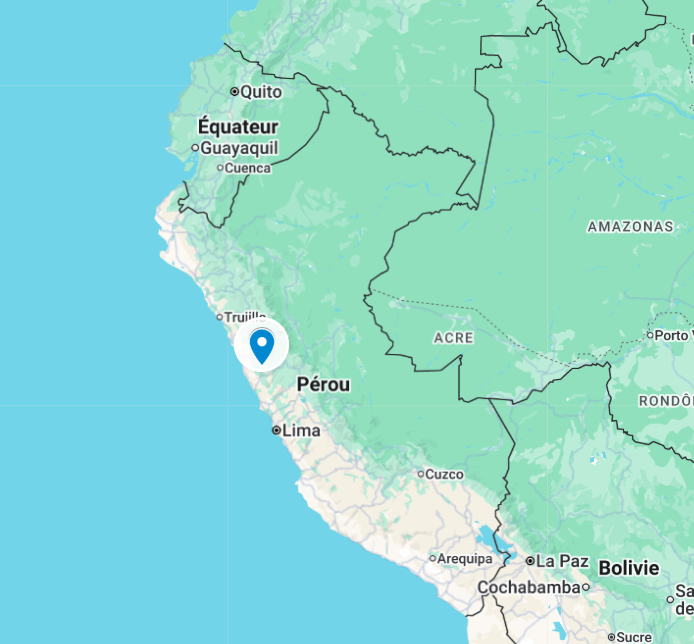
Location
Cordillera Negra de Aija, Ancash, Peru
Our action
To answer these questions, Ucoopia (formerly Eclosio), Diaconia, and Slow Food, in collaboration with the McKnight Foundation, are carrying out the participatory action research project SAMA: Food Systems, Market, and Water. The aim is to deepen understanding of local food systems and promote Andean family farming, particularly agroecology, based on the communities and territories of the high Andes of the Cordillera Negra de Aija (Ancash, Peru). It allows for further research and advocacy on issues related to access to water and markets, involving peasant families, policy makers, and Peruvian academics more closely in agroecology and sustainable food systems, thus contributing to improving farmers’ livelihoods.
This project seeks to answer two main questions:
- In the face of climate change, how can we develop more sustainable water management for family farming, in and by communities?
- How can we improve access to markets for agroecological products?
Taking into account socio-territorial dynamics (in particular, the high mobility of rural youth) and promoting the co-construction of knowledge between rural communities and the academic world, this project aims to formulate recommendations for strategies that are useful both at the local level and for reflection at the national and global levels. These recommendations will subsequently enable the development of pilot actions on the themes of water and markets, which will be carried out with some 200 families in Aija. Awareness-raising and policy advocacy actions are also planned to bring about behavioral change and greater commitment from citizens and policymakers to water management, family farming, and local products.
The project will work with 200 smallholder families from 11 villages located in the Pescado and Llactún river micro-basins in the province of Aija, with varying levels of transition to agroecology.
Operating partners
Duration
3 years: July 2021 to June 2024
Contact persons: Eric Capoen
Related news
Aucun article trouvé.