Bilateral Rural Solar
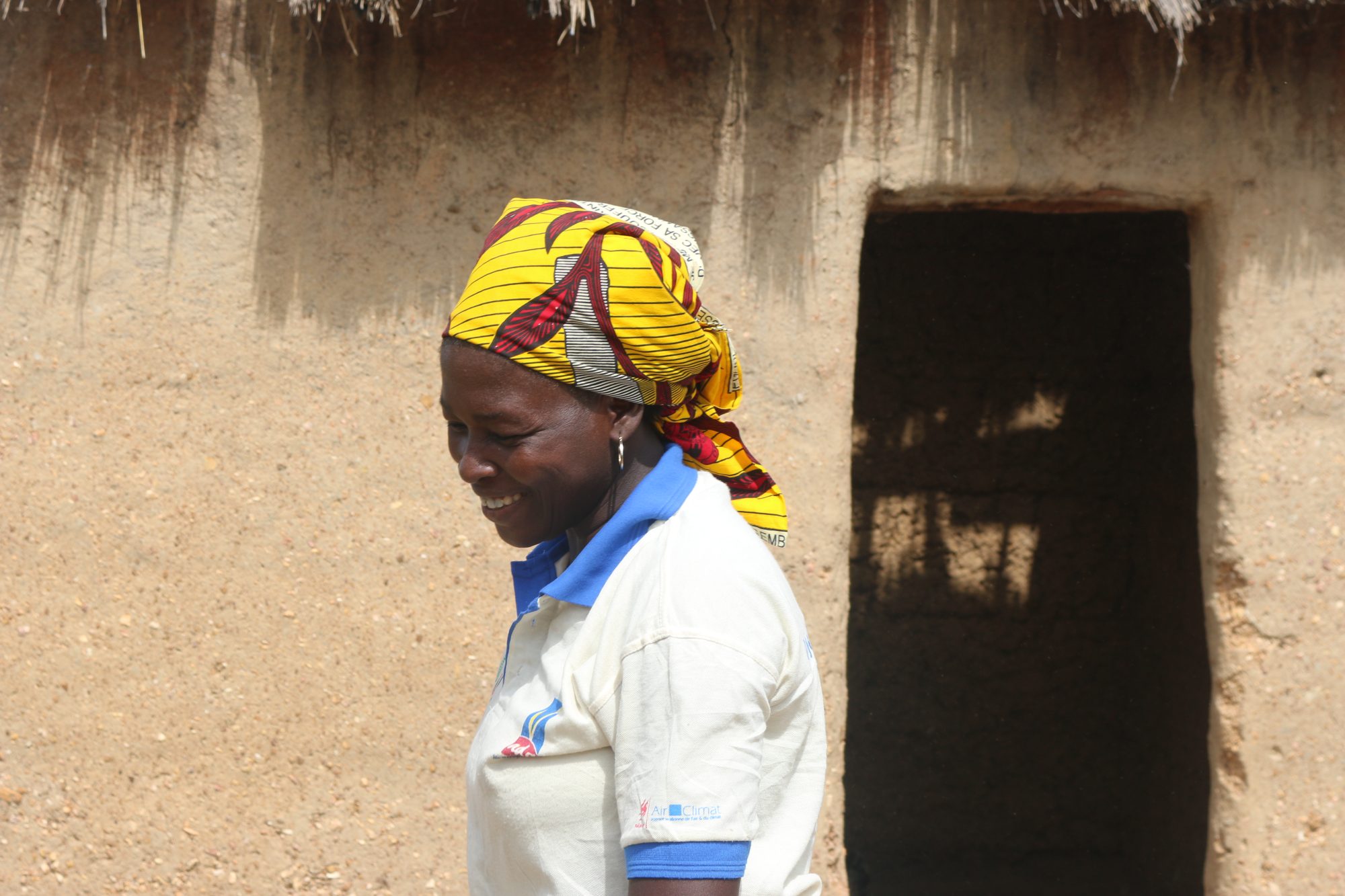
In Benin, access to electricity is a major challenge. Currently, only 32% of the population has access to the electricity grid. In areas without connection, energy often comes from diesel generators—a costly, polluting, unsustainable solution that increases the country’s energy dependence on its neighbors. At the same time, rural areas are full of potential economic players, but they find it very difficult to develop due to the lack of electricity and the lack of training and support. The energy deficit therefore severely hampers the development of local economic activities, particularly affecting women and young people, who already face significant social inequalities.
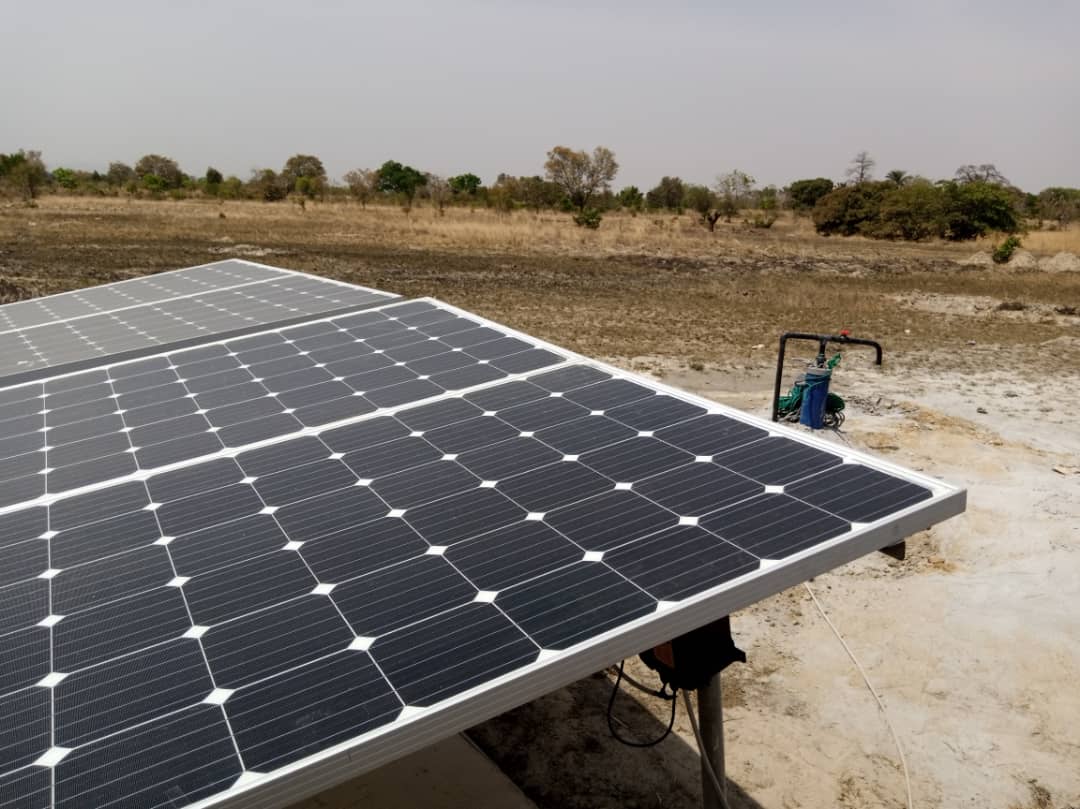
The Bilateral Rural Solar Project addresses this dual challenge. On the one hand, it aims to guarantee access to clean electricity through solar power plants. On the other, it seeks to stimulate local economic activity by supporting and equipping local SMEs, particularly those run by women.
Our action
The Bilateral Rural Solar Project is based on an integrated strategy in which access to electricity and local economic development reinforce each other. Economic activities powered by electricity improve the profitability of solar power plants, which helps reduce the cost of energy for rural populations. In turn, reliable and sustainable electricity creates a favorable environment for the development of economic activities.
The project is structured around various interventions:
- Measuring and anticipating electricity demand using surveys and monitoring tools in villages
- Sizing, installing, and monitoring solar powerplants (panels and batteries) in targeted areas
- Strengthen entrepreneurial capacities, particularly through training, on-the-ground support, and the installation of appropriate productive equipment (such as mills, pumps, or refrigerators).
- Capitalize on and disseminate lessons learned nationally and internationally in order to replicate the model in other villages.
Target audience
- Rural areas
- 73 villages currently without access to electricity, representing 200,000 villagers, including 105,000 women
- Initially, the project will focus on ten of these villages, before rolling out the methods to the other villages.
- Associations and cooperatives
- Small rural businesses and micro-entrepreneurs
- Public structures
Summary
- Duration: July 2024 – December 2028
- Financial partner: Wallonia-Brussels International (WBI)
- Operational partner:
- Abomey Calavi Polytechnic School (EPAC)
- National Association of Women Farmers of Benin (ANaF-BENIN)
- Ucoopia (formerly Eclosio)
- OnePower
- Inclusive (INC)
- Navitas