Baby boom: reforestation of the Mangrove Marine Park forests
In order to combat climate change, the Baby Boom project, funded by the City of Brussels, aims to plant at least six mature trees for every birth registered with the municipality. With around 2,300 births per year, this means that more than 40,000 trees will be planted by the end of the project.
Financial partner


Background
In the Democratic Republic of Congo, as in many countries around the world, the relationship between humans and their environment is complex. While climate change and energy issues are the focus of attention in Europe, other aspects of this theme are experienced by the Congolese population, particularly those living near mangroves, which are both carbon sinks for humanity and a source of many goods and services.
In order to reduce pressure on natural resources (wood, arable land, fish, etc.) while developing viable alternatives with communities, Ucoopia (formerly ULB-Coopération) is participating in the Baby Boom project, funded by the City of Brussels.
Location
Objectives
- Sustainably reforest continental forests and mangroves
- Reduce anthropogenic pressure on timber resources by supporting communities in and around the Mangrove Marine Park (PMM) in developing alternative economic activities.
- Strengthen technical and institutional capacity in the field of the environment
- Produce and disseminate knowledge on the above-mentioned topics.
Sustainable Development Goals (SDGs)

Activities
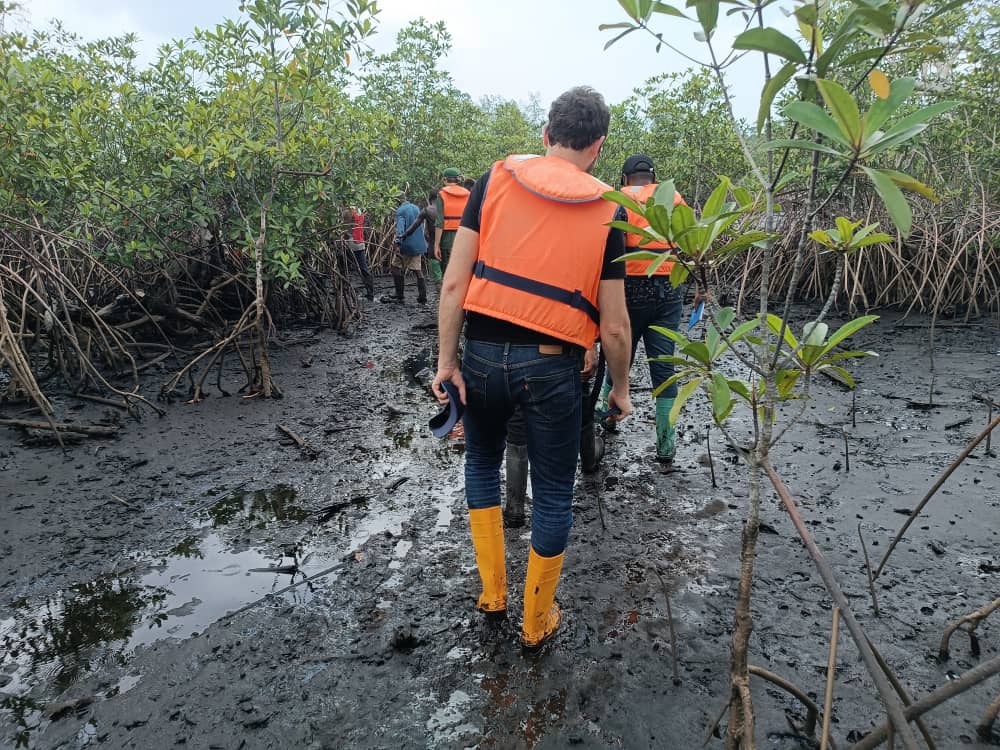
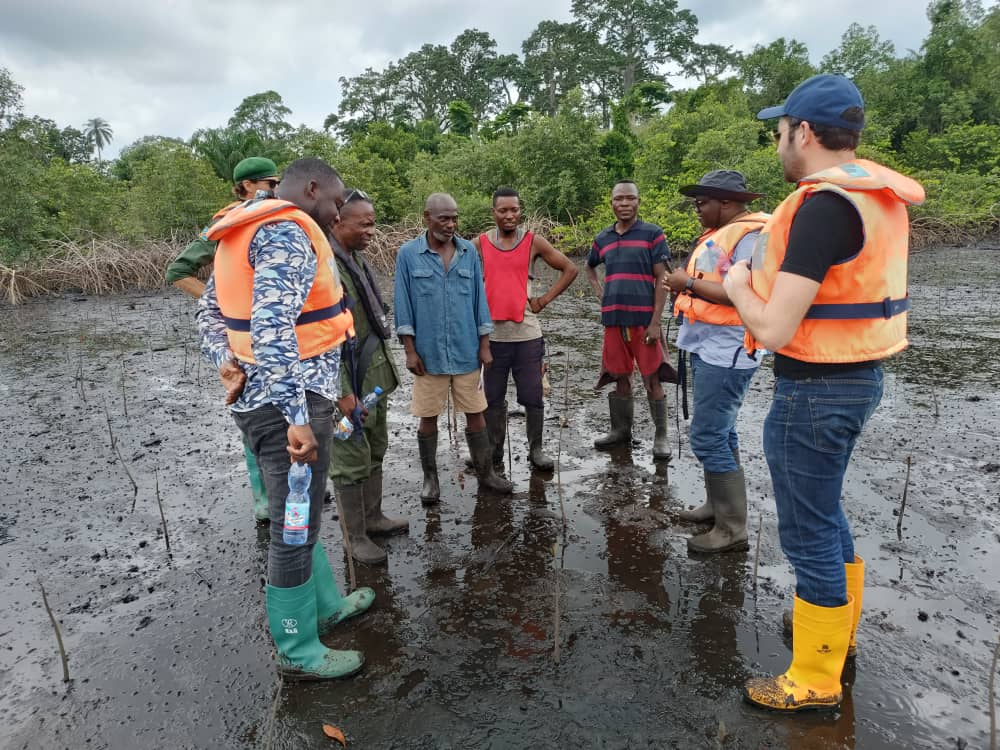
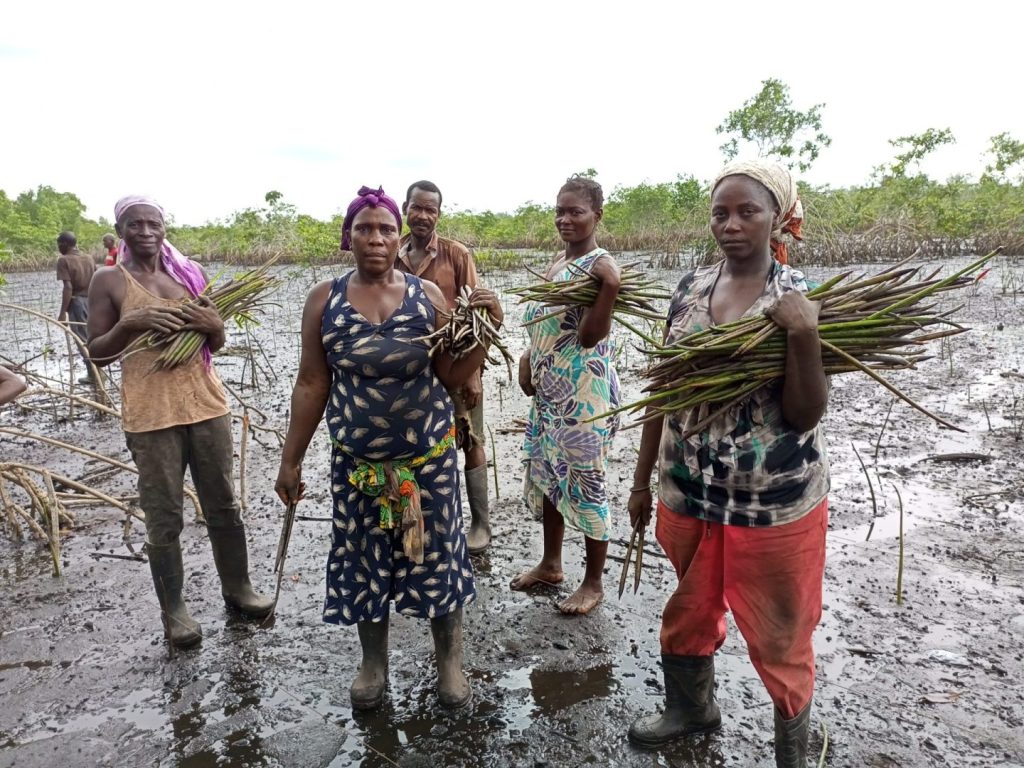
Every year, from November to February, 30 villagers from around the park collect propagules that have fallen to the ground. These propagules, which will give rise to mangrove trees, are pierced by hand to facilitate their implantation in the compact mangrove soil. Forty people then proceed to reforest, stem by stem. The remaining propagules are sent to the park’s nurseries to be replanted at the right time of year.
These steps, which are remunerated, take place during the low season for fishermen and farmers, allowing them to earn attractive incomes while restoring their environment. During the other months of the year, the ICCN monitors the plots and ensures that the plants are growing well.
Operational partners
- The Mangrove Marine Park
- The ICCN (Congolese Institute for Nature Conservation)
Budget
$50,000
Duration
30 months
Contact persons
Gallery
The latest news on this project
Aucun article trouvé.