
Manufacture of salt licks in Kindia Tabouna
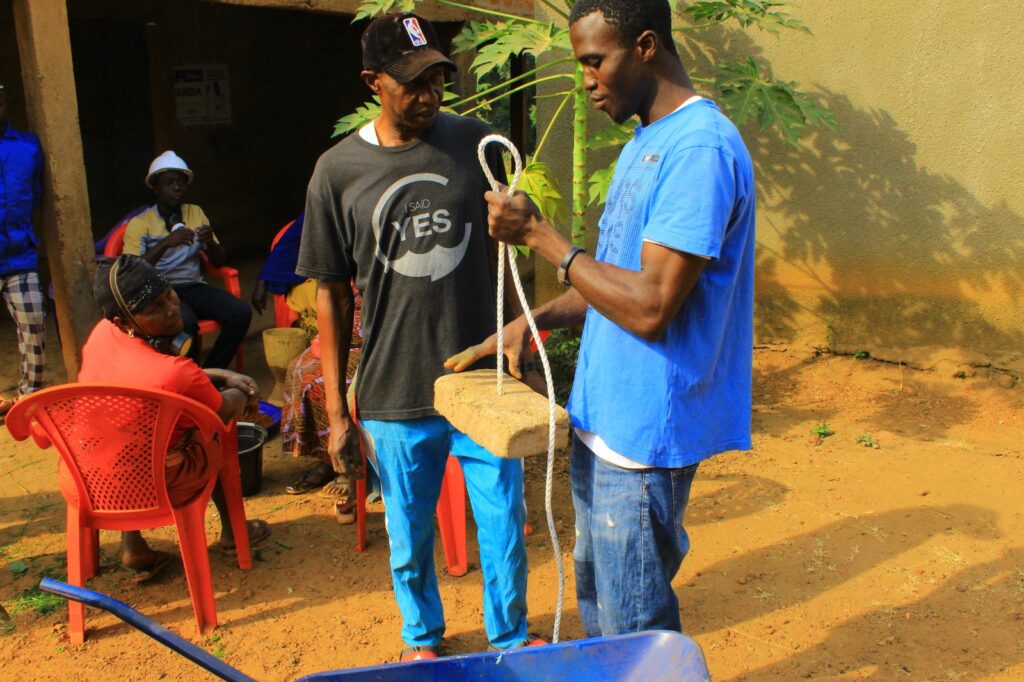
As part of the AGRI-VERT project, funded by Enabel, Ucoopia Guinea organized an activity in January 2026 to manufacture salt licks for livestock in the town of Kindia Tabouna. This initiative is part of an approach aimed at strengthening the links between agriculture and livestock farming, while promoting local resources.
Lick stones are an important mineral supplement for livestock. They provide essential elements such as salt and other minerals necessary for the health and development of animals.
An activity for animal health
During the activity, participants were guided through the process of making lick stones, which consists of several steps:
- Preparation and measurement of ingredients: The various ingredients are first carefully measured out. These mainly consist of salt, mineral powders, and nutritious herbs, to which clay is added as a binding agent.
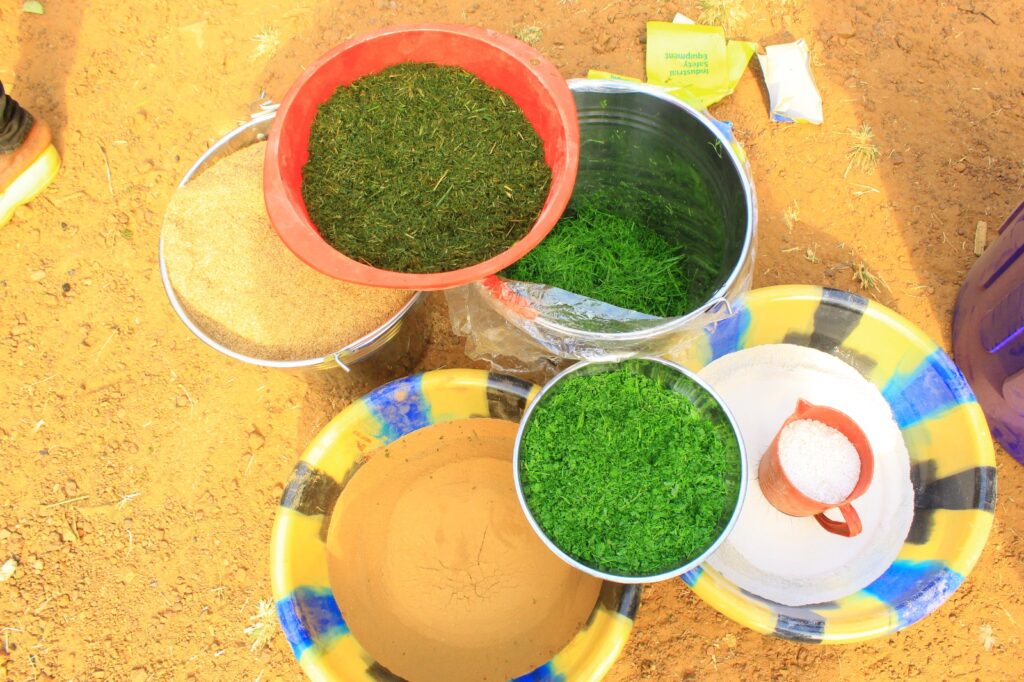
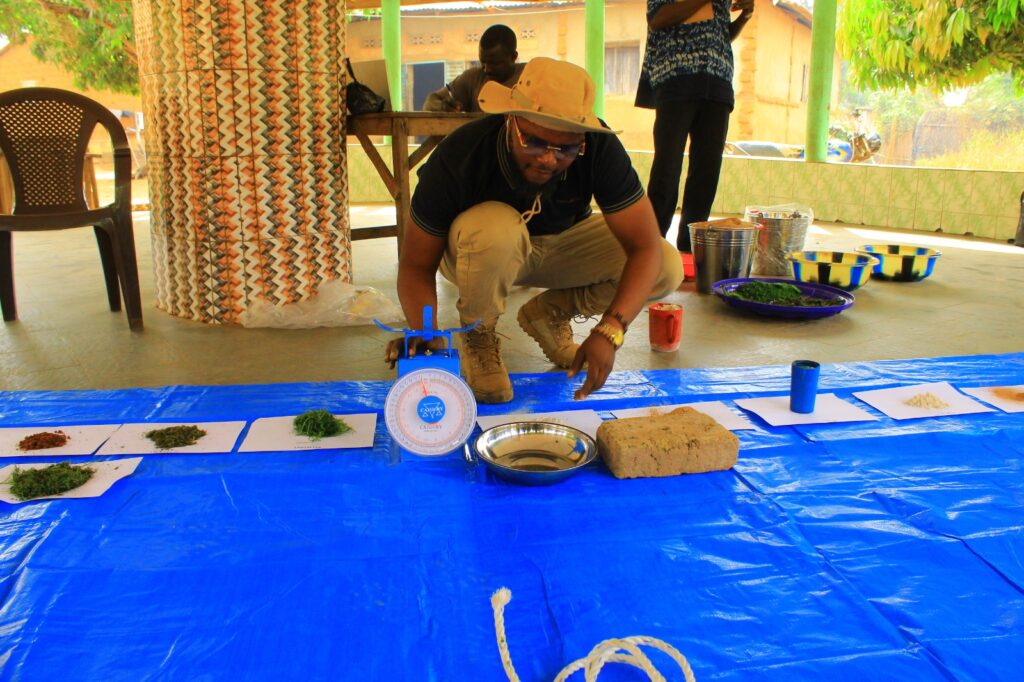
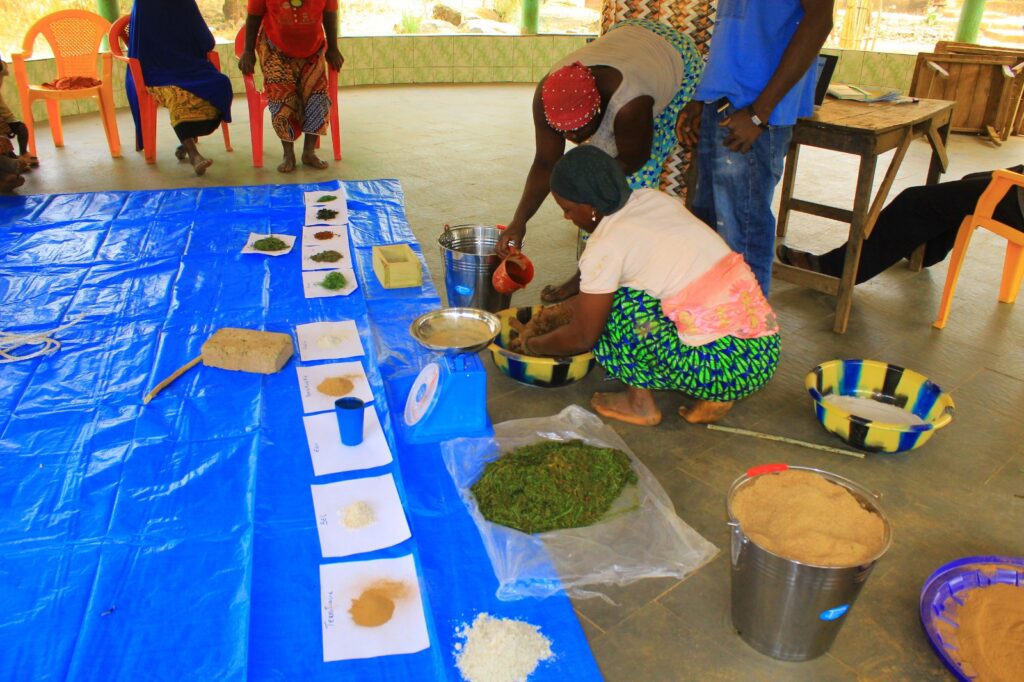
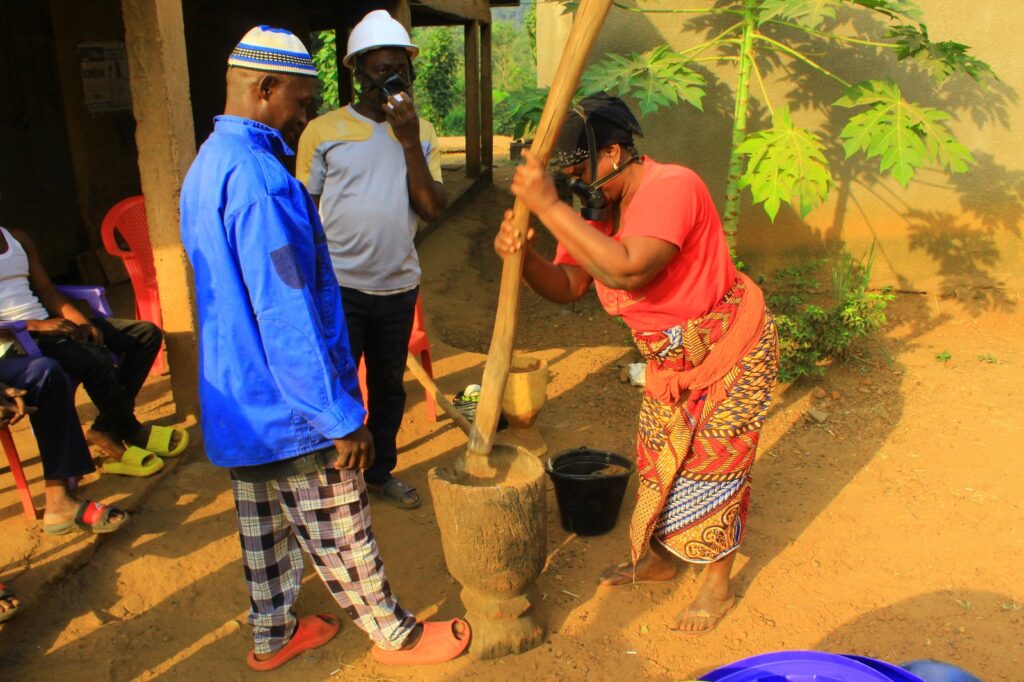
- Grinding and mixing: The solid ingredients are then ground using a mortar and pestle to obtain a fine texture. They are then gradually mixed with water until a homogeneous paste is obtained, ensuring that the nutrients are evenly distributed. During this step, participants wear protective masks to comply with health and safety regulations relating to fine dust.
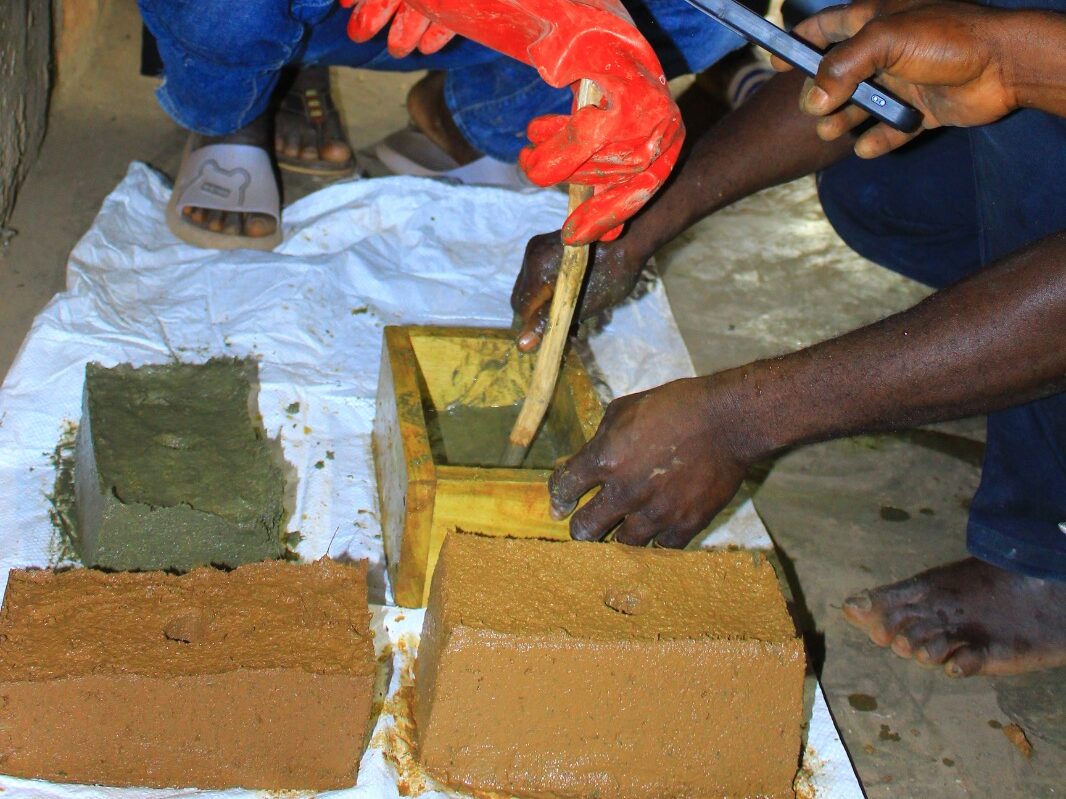
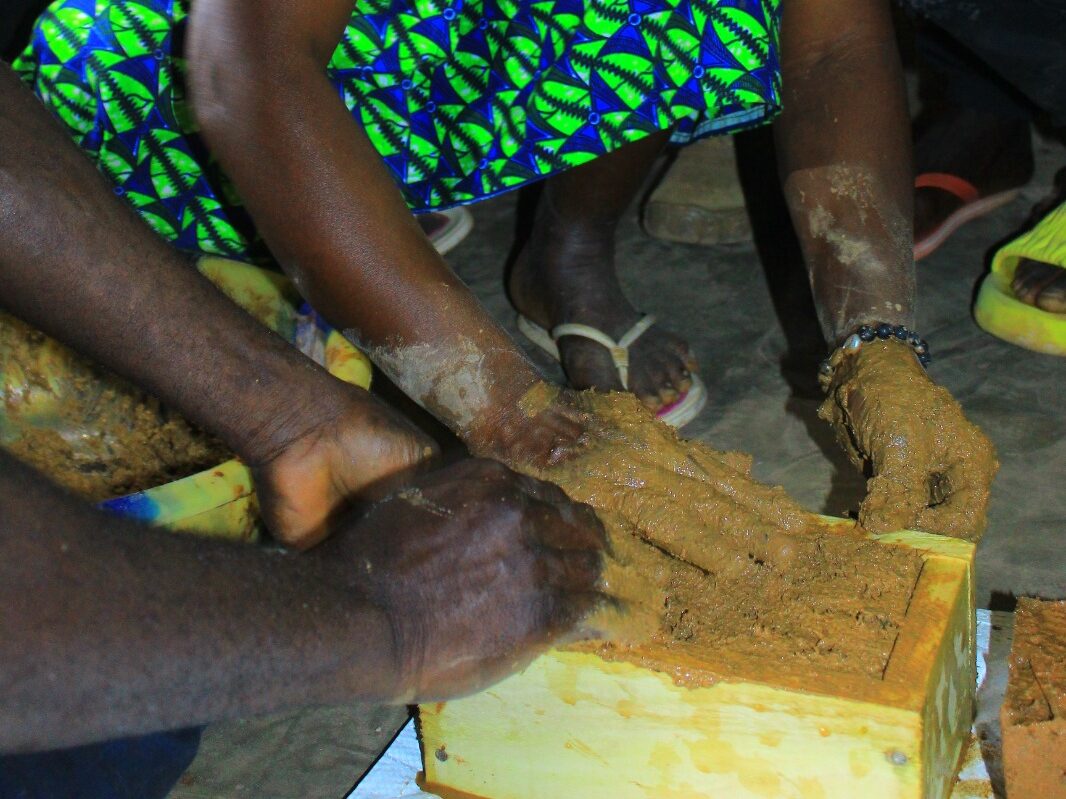
- Molding the stones: The paste obtained is then molded using rectangular wooden molds, allowing blocks of standardized sizes to be produced. These stones are easy to transport and install in livestock areas.
- Drying and use: In the final stage, the stones must be left to dry in the shade so that the dense texture can harden. Once dry, they are ready to be used as a feed supplement for livestock.
a commitment to better integration between agriculture and livestock farming
This activity illustrates the importance of better integration between agriculture and livestock farming in order to improve people’s livelihoods. Through this activity, the AGRI-VERT project contributes to the promotion of sustainable agricultural practices, the enhancement of local expertise, and the strengthening of rural communities’ capacities.