Scientific cooperation (UJKZ-ULB) for a plastic-free Burkina Faso
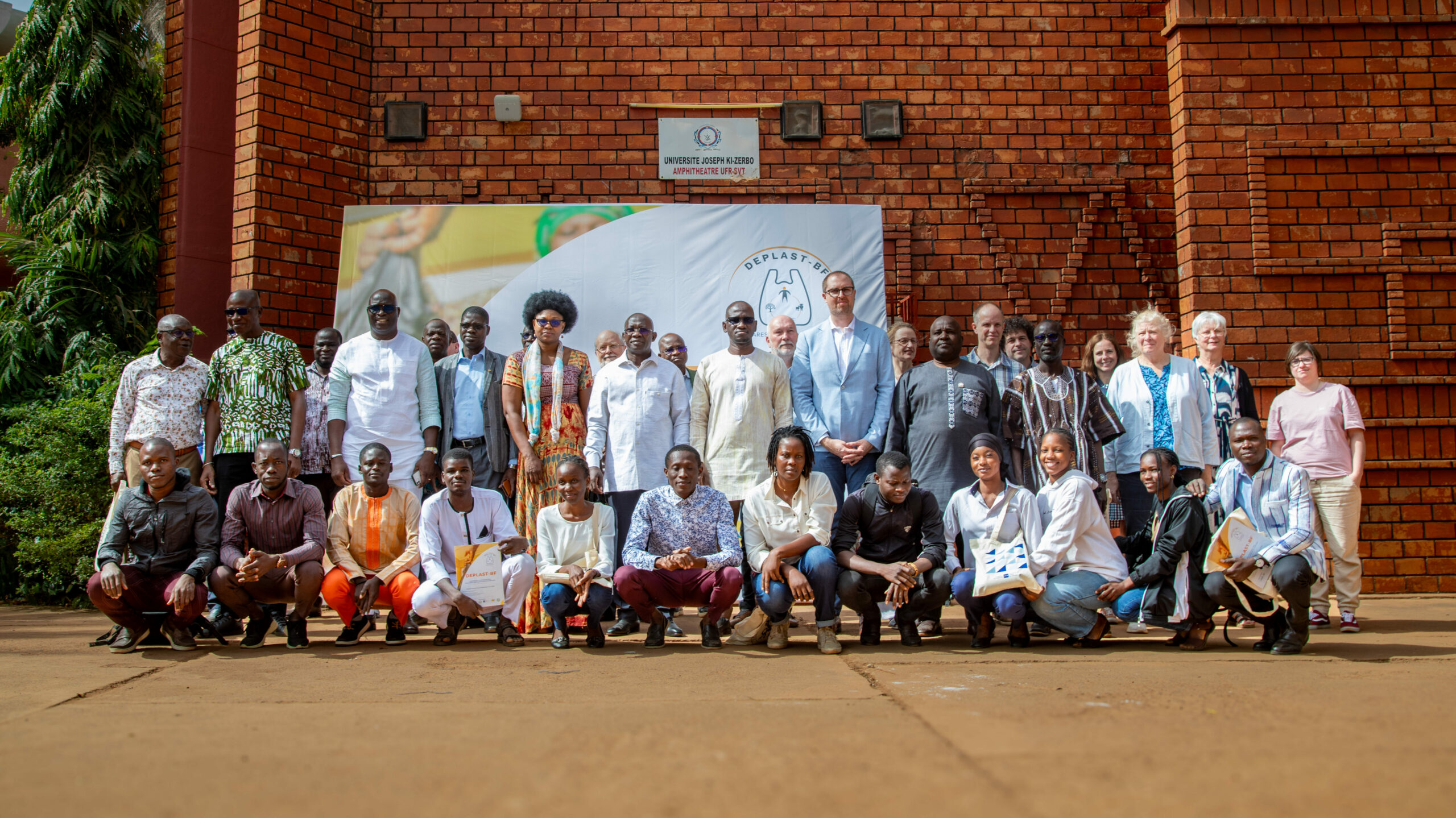
The DEPLAST-BF research and development project, funded by ARES, was officially launched at Joseph KI-ZERBO University in the presence of researchers, institutional partners, civil society actors, and community participants.
In response to the growing use of food-grade plastics and the associated health and environmental risks, the DEPLAST-BF project aims to produce local scientific data to inform public policy decisions and raise awareness among the population.
A project serving public health
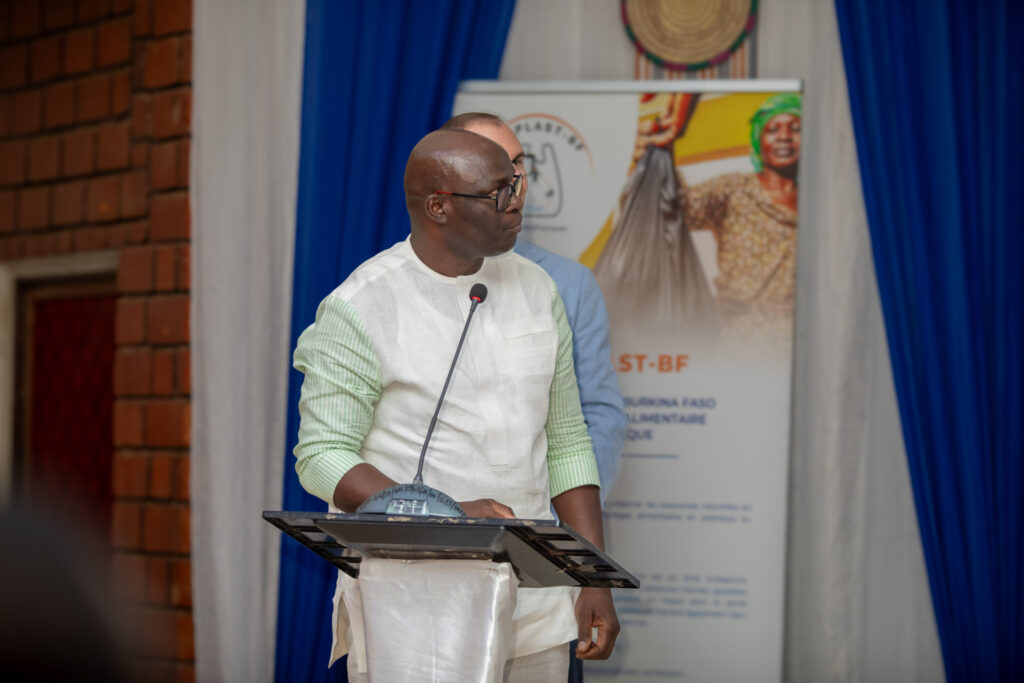
Led by Joseph KI-ZERBO University (UJKZ) and the Free University of Brussels (ULB), with support from ARES, the project takes a rigorous and collaborative scientific approach. “It is essential to better understand the risks associated with food plastics in order to protect the health of populations and the environment in the long term,” emphasizes Prof. Balé Bayala, local scientific coordinator.
A collaborative and innovative scientific approach
The DEPLAST-BF project is based on a multidisciplinary approach combining scientific analyses of drinking water and sociological studies of practices related to the use of plastics. According to Prof. Cédric Delporte, scientific coordinator for the North, “the production of local scientific data is essential in order to propose solutions adapted to the Burkinabe context and support public action.”
This is where Ucoopia comes in. “We liaise with civil society and support the project in data collection, promoting research findings, and implementing awareness-raising initiatives,” explains Florian Delespesse, project manager at Ucoopia.
Food-grade plastics: risks still largely invisible
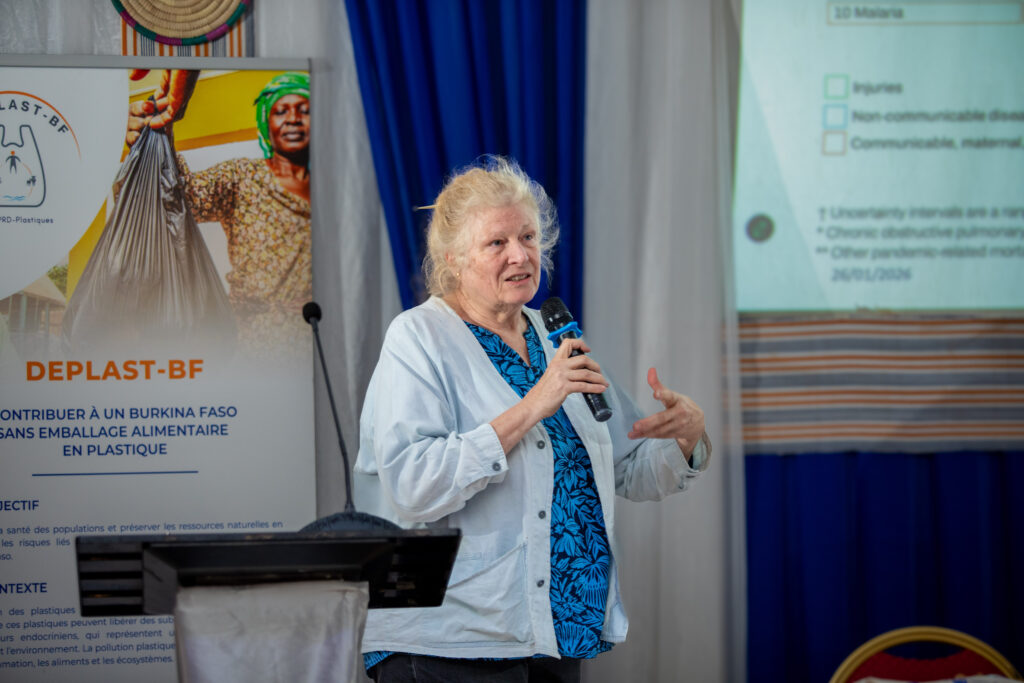
Research focuses in particular on endocrine disruptors, chemicals found in certain plastics that may have an impact on human health. “These risks are still poorly understood, which is why raising awareness and communicating scientific findings to the general public is so important,” emphasizes Prof. Catherine Bouland, a specialist in environmental public health.
Local solutions and committed stakeholders
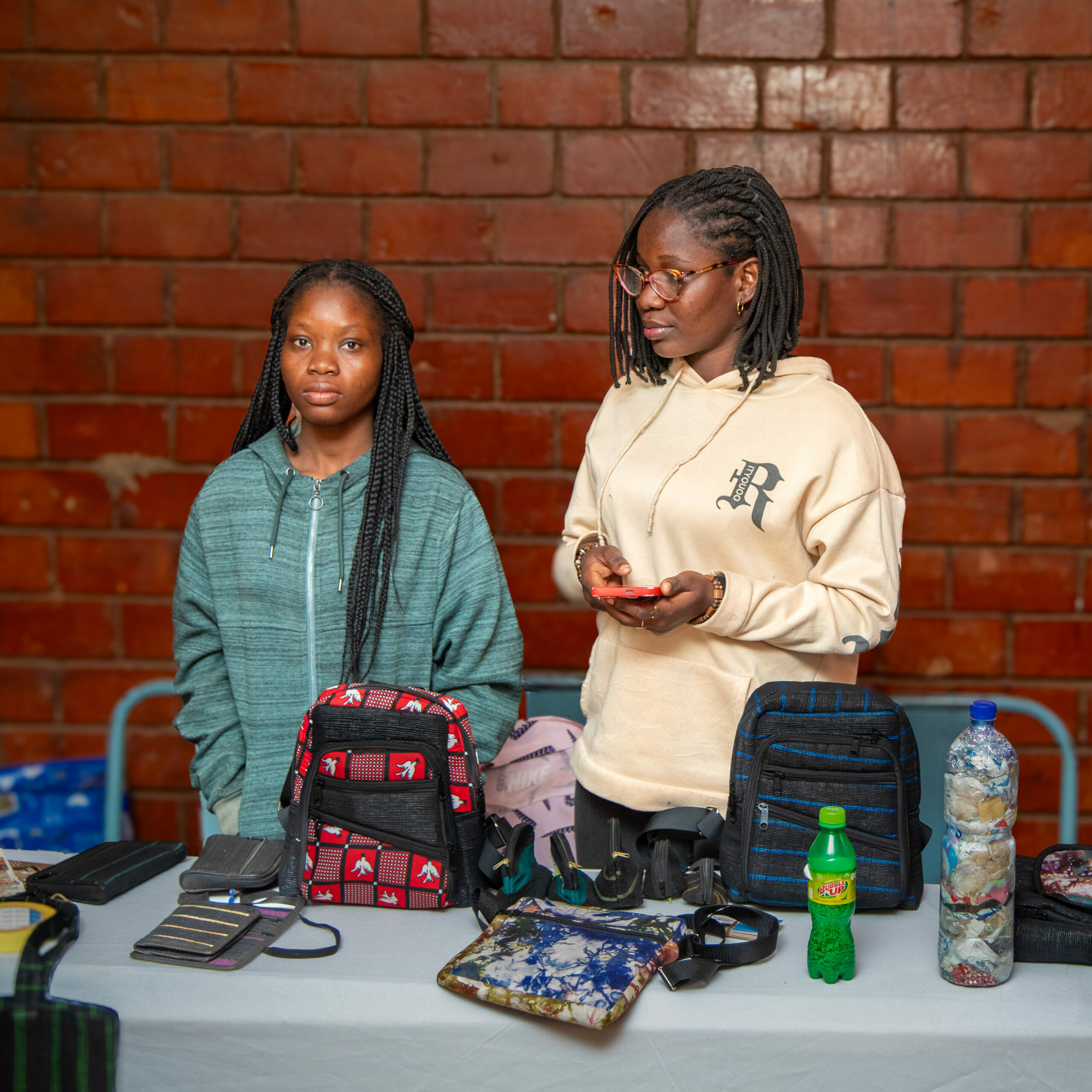
The launch event also highlighted local recycling initiatives, including an association that transforms used plastic bags into reusable bags. These actions illustrate the key role that community actors play in the fight against plastic pollution.
Participants praised the importance of this initiative, which contributes to a better understanding of the links between plastics, water, and health.